
40% of Gen Z Accompanied by Parents During Job Interviews and Salary Negotiations
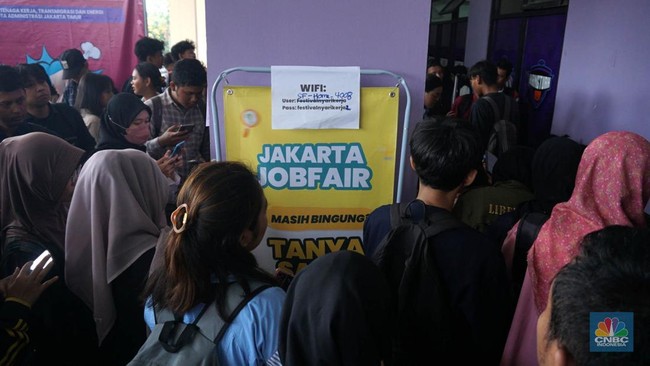
There is an interesting trend among Gen Z job seekers. According to a McKinsey survey, 70% of Gen Z ask for parental help when looking for work. In fact, 83% of those who successfully obtained full-time employment said parental assistance contributed to their success. Gen Z is entering a job market that is far more competitive than that faced by previous generations. Many entry-level positions require experience, while the recruitment process can be lengthy and full of tests. When the risk of failure feels high, parents are often seen as a source of strategic support—from editing CVs and practising interviews to leveraging their professional networks. Another survey revealed that 40% of Gen Z parents attended job interviews. Imagine the situation: a 22-year-old candidate arrives at the interview room, but not alone. They are accompanied by a parent who even sits in, takes notes, and helps negotiate the salary. It sounds like a comedy scene, but this practice is becoming increasingly common in 2026. Based on data released at the end of 2025, around 77% of Gen Z job seekers admitted to involving their parents in the recruitment process. This involvement goes beyond simply checking a CV and has entered deeper stages. Key findings from the study include: approximately 40% of parents attended job interview sessions, 27% were involved in salary and benefit negotiations, 63% helped submit job applications, 54% wrote follow-up emails after the interview, and 75% were used as professional references. Furthermore, after their child was hired, about 80% of respondents admitted their parents had communicated directly with managers regarding promotions, workplace conflicts, and workload. This phenomenon is often considered a form of overprotective parenting. However, the underlying conditions are more complex. Gen Z entered the workforce amid major changes caused by the COVID-19 pandemic, which created several challenges. First, limited professional networks. Where previous generations might have dozens of work connections, the average Gen Z has only about 16. Remote learning and online internships caused them to miss out on direct interaction experience in the working world. Second, the factor of isolation. Many Gen Z spent their formative years in front of screens. As a result, situations like face-to-face negotiation feel unfamiliar and stressful. Third, cultural factors. In several countries like India, family involvement in major decisions, including careers, is normal. This pattern is now beginning to permeate global work dynamics. On one hand, parental involvement can be seen as a form of support. But on the other hand, it also raises concerns. Some recruiters view the presence of parents in the recruitment process as a ‘red flag’. The candidate is deemed not yet ready to face professional challenges independently, such as handling difficult clients or making important decisions. The long-term risk is hampered career development. Without the experience of facing difficult situations directly, leadership skills and self-confidence may not be optimally formed. However, not all companies see this as a major problem. Some modern startups with collaborative work cultures tend to be more flexible, as long as the candidate can still demonstrate good performance. Rather than bringing parents into the interview room, many Gen Z are now also starting to turn to technology as a companion. About 1 in 5 Gen Z are known to use AI-based applications like ChatGPT for job interview simulations. This technology helps users practise answering questions, improve communication methods, and boost confidence without pressure. Parents can still play a role, but behind the scenes, such as helping with interview practice at home or providing strategic input, without being directly involved in the formal process. Looking ahead, the role of Gen Z in the workforce will grow. By 2030, this generation is projected to make up about 30% of the global workforce. However, data shows that those who rely too heavily on parental help tend to have lower job retention rates. The bottom line? In the 2026 meeting room, the most impressive thing a young candidate can bring is not a reference from a prominent figure or a watchful parent, but the quiet confidence of someone ready to stand on their own.