
40 Drown in France as Extreme Heatwave Hits Europe
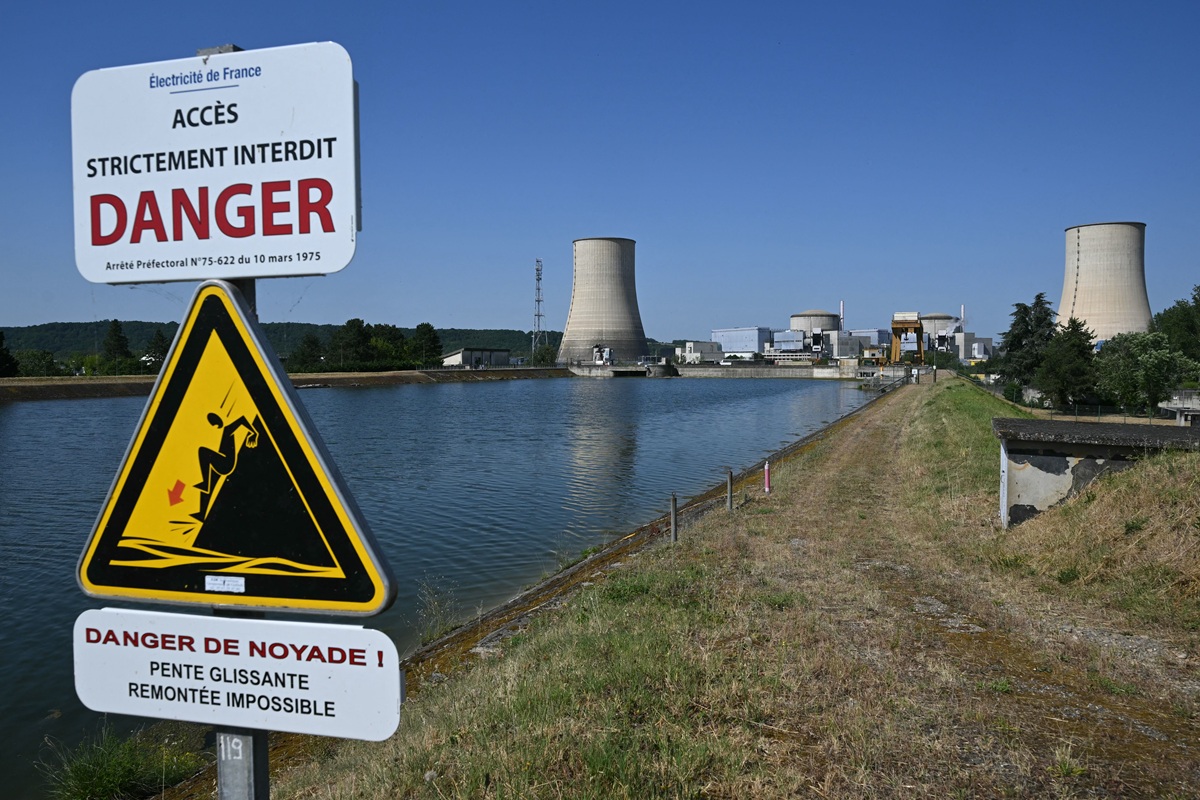
An extreme heatwave peaking across several European countries has claimed lives. French Prime Minister Sébastien Lecornu confirmed that 40 people have drowned in heatwave-related incidents since last Thursday, as record high temperatures hit major cities. The high death toll is attributed to residents recklessly swimming in dangerous areas to cool off. French Minister of Sports and Youth, Marina Ferrari, reminded the public via local radio: ‘Swimming in unsupervised areas during a heatwave is not something to be taken lightly.’ Among the dead are a 13-year-old girl who drowned in the River Seine, and two toddlers found dead inside a parked car in the city of Carpentras. A similar case occurred in Germany, where the German Life Saving Association (DLRG) reported six fatal swimming incidents due to people overestimating their physical abilities in the water. France recorded its hottest June day in history on Tuesday, with an average temperature reaching 29.8°C. More than half of the country is now under a red alert. The extreme weather has forced global tourist icons, the Eiffel Tower and the Louvre Museum, to close early for visitor safety. Public transport services have also been disrupted. Île-de-France regional president Valérie Pécresse urged residents to work from home, stating, ‘Railway lines cannot withstand temperatures above 50°C. So, we will face many disruptions to public transport.’ A nuclear power plant in southwestern France was even forced to shut down on Monday night because the water temperature of the Garonne River, used to cool the reactor, reached the regulatory maximum limit of 28°C. The situation is equally critical in Spain and Italy. In Spain, rural temperatures near Córdoba are predicted to hit 44°C. Spanish weather agency (Aemet) representative Rubén del Campo stated, ‘There is evidence that heatwaves are now occurring more frequently at the beginning of summer compared to previous decades.’ Meanwhile, Italy has imposed a red alert status in 15 major cities, including Rome and Milan. The Italian government has reactivated emergency labour protections to prevent outdoor workers, such as farm labourers and construction workers, from working during the hottest hours. According to data from the Copernicus climate service, Europe is currently the fastest-warming continent in the world, heating up twice as fast as the global average, triggering increasingly intense heatwaves and water crises.