
4 Unique Muharram Traditions in Lombok: From Tetulaq to Bisoq Keris
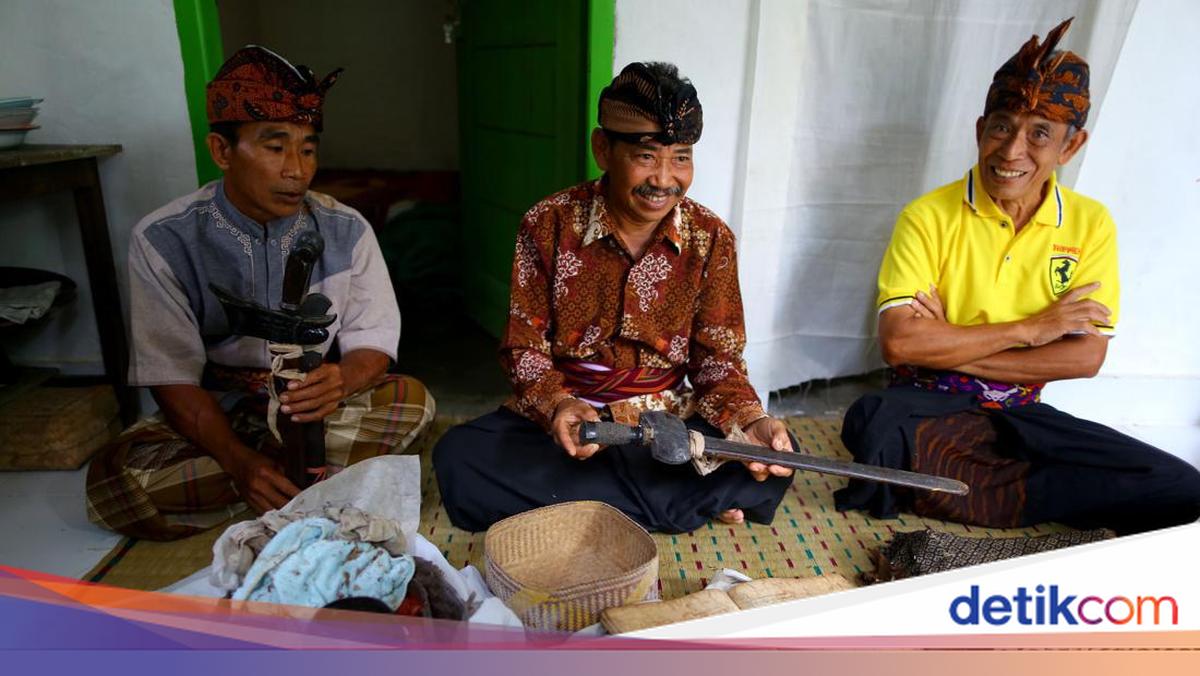
The Islamic New Year begins on 1 Muharram, which falls on Tuesday, 16 June 2026. The Hijriah calendar’s new year celebrations are held festively across various regions, including the island of Lombok. The predominantly Muslim community of Lombok possesses a variety of unique traditions to welcome the month of Muharram. Some of these have been passed down through generations for hundreds of years, ranging from a ritual of bathing a kris in blood to making white porridge as an expression of gratitude.
Here is a complete summary of the Muharram traditions still preserved on Lombok Island:
Tetulaq Ritual of Pringgabaya Village
The Tetulaq tradition in Pringgabaya Village, East Lombok, is held as an effort to preserve ancestral cultural heritage. According to historical records, this tradition is closely linked to the origins of the settlement in the village. Every Monday or Wednesday at the beginning of Muharram, residents gather at the Pringgabaya Village Hall to perform the Tetulaq Tradition. This activity is a form of gratitude filled with communal prayer and the cooking of approximately 44 chickens and ketupat. The ingredients used in this tradition are simple and easily obtained by the local community. The tools used are also traditional, such as sampak, bombong (woven coconut leaves), and dulang. There is also a special golden-yellow kettle. Each ingredient and tool used contains symbolic meaning as an expression of hope and prayer to God.
Bisoq Keris
The kris is a traditional Nusantara weapon known to possess magical powers. The Sasak people of Lombok have a special ritual to purify the kris every eve of 1 Muharram. This ritual is known as Bisoq Keris. The kris purification procession usually takes place after the Isya prayer until the early hours of the morning. Interestingly, the krises are not only washed with water but also mixed with lime, flowers, sandalwood oil, and even blood. The local community believes that blood can strengthen the spiritual power of the kris.
Roah Segare
The community of Kuranji Dalam Village, West Lombok Regency, has a maritime cultural heritage called Roah Segare, also known as a sea ruwatan. This tradition is held every month of Muharram as an expression of gratitude for fishermen and coastal residents. In its implementation, Roah Segare is filled with communal prayers, recitation of barzanji, selakaran, and zikiran. The highlight of the event is bringing a dulang penamat or offering to the beach, which is then cast out to sea. This distinctive Muharram tradition in Lombok has now become a cultural tourism destination bustling with visitors.
Bubur Putiq and Bubur Beaq Tradition
Songak Village, located in East Lombok Regency, has a unique tradition of making Bubur Putiq. This tradition takes place every 1st to 10th of Muharram. Bubur Putiq is made from local ingredients such as coconut and palm sugar, five rukuq seeds, roasted glutinous rice, yellow rice, and lingsar. Each ingredient and element of the served offering contains deep meaning, reflecting the core teachings of Islam, including the shahada, prayer, fasting, piety, and charity. The Bubur Putiq is then enjoyed communally at specific locations, such as sacred tombs or the ancestral graves of the local community.