
3T communities and people with disabilities still struggle to access public transport
Jakarta, Kompas.com - The equalisation of transport access in Indonesia is seen as a major unfinished task, especially for vulnerable groups and communities in the 3T regions (left-behind, frontier, and outermost). This condition means that safe, comfortable, and easily accessible transport services have not yet been fully enjoyed on an equal basis by all segments of society.
Vulnerable groups such as people with disabilities, the elderly, pregnant women, and children are still reported to face a range of barriers in accessing transport services, from physical facility limitations to services that are not yet responsive to their needs.
“We also fully recognise that equitable transportation development has not yet been fully enjoyed by all layers of society, especially vulnerable groups including people with disabilities, the elderly, pregnant women, children, and communities in left-behind, frontier, and outermost areas,” said the Secretary General of the Ministry of Transportation, Arif Toha.
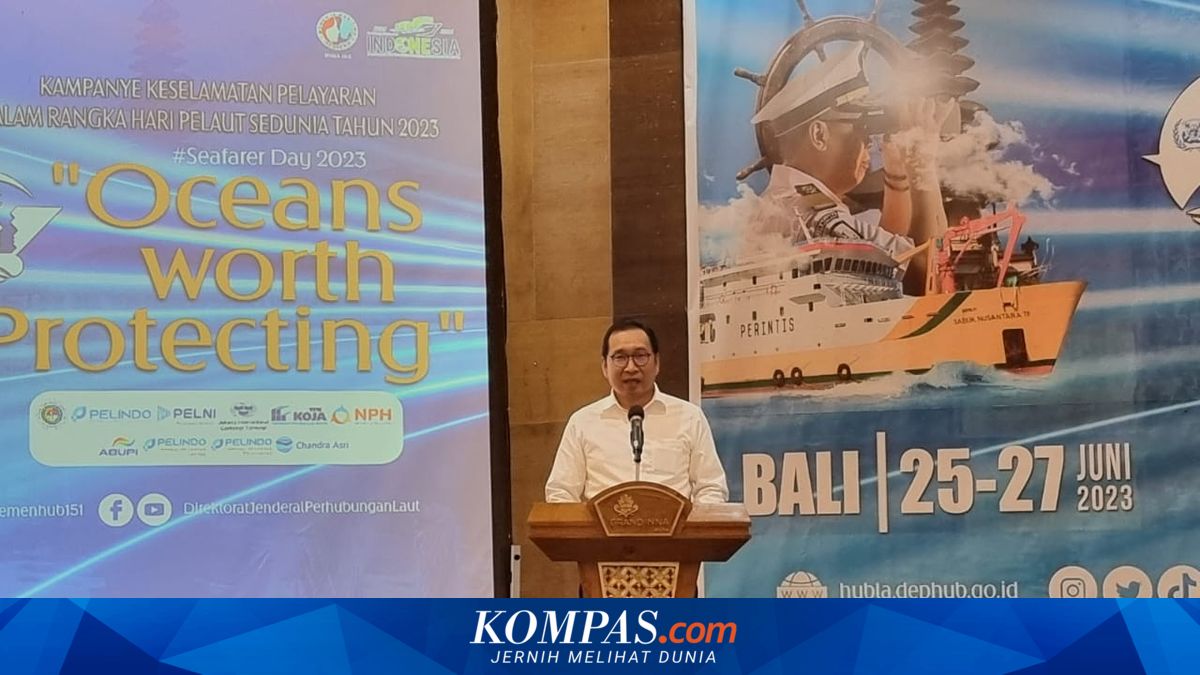
Arif delivered the remarks at the Workshop on Best Practices for Friendly, Responsive, and Sensitive Transportation Services for Vulnerable Groups in 2026, as outlined in a press release on Wednesday, 20 May 2026.
In the last five years, Indonesia’s transport sector is said to have made significant progress. Yet behind this progress, vulnerable groups still face challenges in terms of facilities and infrastructure as well as the sensitivity of services.
“Vulnerable groups often face a double barrier: physical access limitations and a lack of service sensitivity,” said Arif.
“This is an urgent need, even a moral and legal obligation in realising human rights and the Sustainable Development Goals,” he added.
For vulnerable groups such as people with disabilities, the elderly, pregnant women, and children, transport development is undertaken with an inclusive approach. The efforts are not only on the vehicle side but also through the development of supporting infrastructure and the improvement of service quality.
A range of physical facilities such as ramps or inclined paths, low-floor vehicles, dedicated wheelchair spaces, guiding blocks for the visually impaired, and disability-friendly toilets are being expanded at several transport hubs.
Beyond infrastructure, service aspects are also gaining attention. Public transport operators and drivers are receiving targeted training to better understand the needs of passengers with invisible disabilities, and to increase sensitivity to the elderly and pregnant women.
Arif emphasised that there are three main focus areas that must be jointly addressed to realise inclusive transport: accelerating policies that are friendly to vulnerable groups, strengthening the capacity of human resources in the transport sector, and bolstering cross-sector collaboration.
“Responsive transport does not arise from infrastructure alone, but also from an enhanced capacity of human resources,” he said.
“Staff at terminals, stations, airports, and ports must be equipped with training on serving people with special needs,” continued Arif.