
38 SPPG Units Lack Wastewater Treatment Facilities, BGN Evaluates MBG Implementation in East Kalimantan
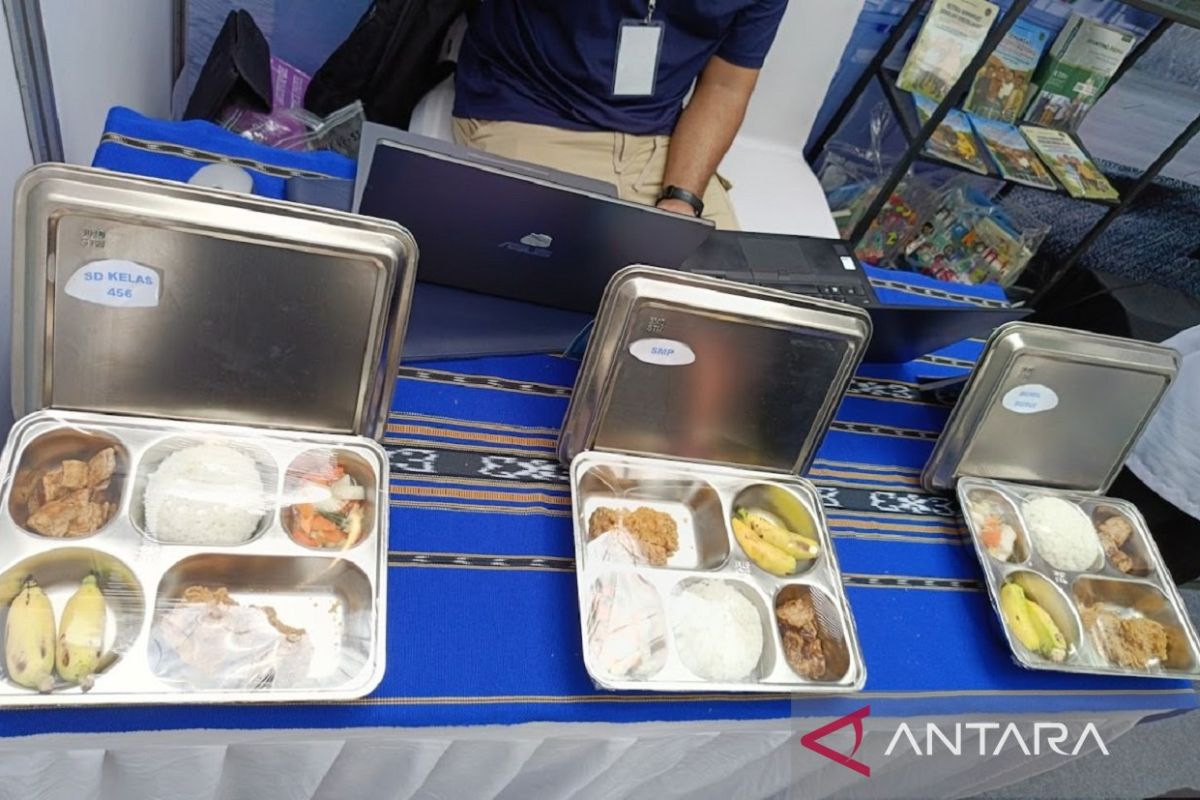
Samarinda (ANTARA) - The National Nutrition Agency (BGN) is evaluating the implementation of the Free Nutritious Meals Programme (MBG) in East Kalimantan Province to ensure the suitability of facilities, particularly regarding 38 Nutrition Fulfilment Service Units (SPPG) that do not yet have Wastewater Treatment Installations (IPAL).
“Strengthening the monitoring system is key to the success of this programme, especially to ensure the quality of infrastructure and compliance with operational standards for the best nutritional services for the community,” said Rudi Setiawan, Director of Regional Monitoring and Supervision III at BGN, in Samarinda on Sunday.
The evaluation is deliberately conducted continuously with regional coordinators, foundations, and managing partners to ensure all nutrition kitchens operate on target.
He stated that overall, 196 SPPG units have been established in East Kalimantan. Of that number, he said, 176 SPPG units have been serving the community in stages to meet the nutritional needs of school-age children, from primary to secondary education.
Nevertheless, he continued, the absence of wastewater disposal facilities in dozens of processing kitchens remains a concern for the government to be addressed immediately to preserve the surrounding environment.
His side continues to ensure the smooth running of the MBG Programme, which also drives local economic circulation by involving small and medium enterprises (UKM) and empowering the Merah Putih Cooperative in various districts.
The Head of the East Kalimantan Health Office (Dinkes), Jaya Mualimin, also ensures that his staff closely monitor every stage of the operation of these nutrition facilities through an integrated multi-sectoral task force.
“Every facility is required to undergo a thorough initial inspection before the local government issues legality documents in the form of Hygiene and Sanitation Fitness Certificates (SLHS),” he said.
This restriction is applied with caution because these facilities produce food for schoolchildren, who are considered a high-risk group for contamination.
“The joint supervisory team is even unafraid to temporarily halt kitchen operations automatically if they find prominent incidents such as foreign objects entering the food,” said Jaya.
The Head of BGN Regional East Kalimantan, Binti Maulina Putri, emphasised that her side mandates all partners to comply with standard guidelines and implement a tiered daily internal reporting system.