
36 Vessels Traverse Strait of Hormuz, Highest Since US-Iran War
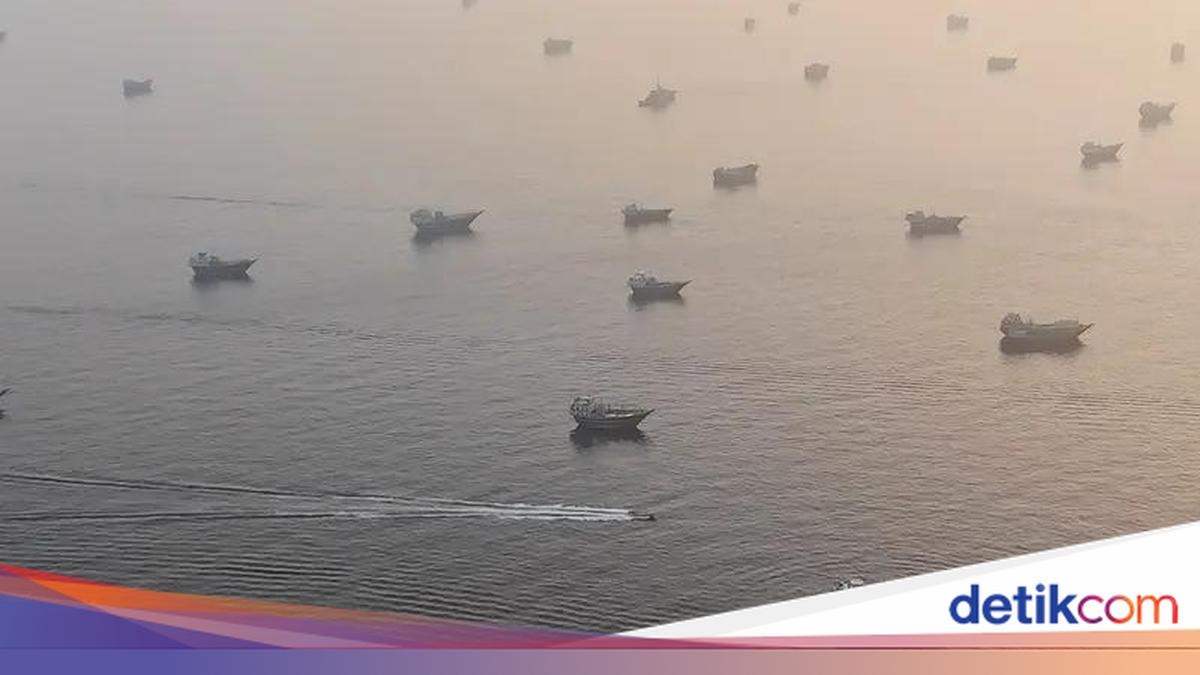
Shipping traffic through the Strait of Hormuz on Monday local time reached its highest level since war erupted between Iran and the United States and Israel in February. At least 36 vessels carrying commodities transited the strategic waterway during the day. Data from maritime tracking firm Kpler showed that the 36 voyages in a single day represent nearly a third of the normal peacetime traffic in the Strait of Hormuz, which previously stood at around 120 voyages per day. Before the war, approximately one-fifth of the world’s oil and gas exports passed through the strait. The total number of voyages on Monday is expected to rise further as additional ships are detected later by maritime trackers. Commodity traffic through the Strait of Hormuz, including tankers carrying crude oil, liquefied natural gas, and dry bulk goods such as fertiliser, has increased slightly since Washington and Tehran agreed a memorandum of understanding last week to end the war. Prior to the 14 June agreement, fewer than 10 commodity ships passed through the strait each day after Iran closed the vital waterway on 1 March in retaliation for joint US and Israeli strikes. Since 15 June, the average number of commodity vessels transiting the Strait of Hormuz has risen to 21 per day, reaching 27 per day over the last five days. ‘The Strait of Hormuz will never return to pre-war conditions and will be managed by the Islamic Republic of Iran, in accordance with international law,’ Iran’s chief negotiator, Mohammad Bagher Ghalibaf, said during negotiations with the US in Switzerland, as reported by Tehran’s state media on Tuesday. Whether Iran will manage the strategic waterway remains one of the key questions in talks scheduled to continue over the next two months. On Saturday, Iran announced it had re-closed the Strait of Hormuz in response to continued Israeli strikes on Lebanon, despite a ceasefire.