
36 Regional Heads Discuss Surface Water Tax and MSMEs Amid Fiscal Pressures
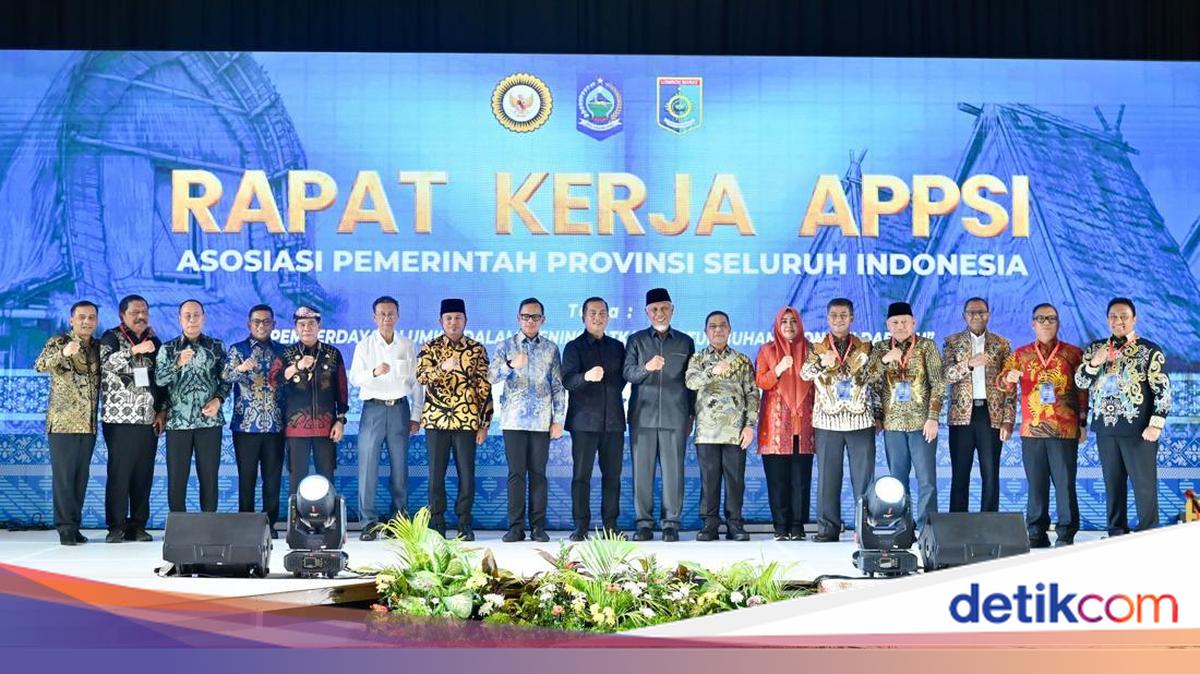
A total of 36 regional heads from across Indonesia discussed optimising the collection of Surface Water Tax (Pajak Air Permukaan/PAP) and the development of micro, small, and medium enterprises (UMKM) during a working meeting and Extraordinary National Conference (Munaslub) of the Association of Indonesian Provincial Governments (APPSI) in Senggigi, West Lombok, West Nusa Tenggara (NTB). The governors and their representatives assessed that these two issues require in-depth discussion to strengthen regional fiscal capacity while simultaneously promoting UMKM development. NTB Governor Lalu Muhamad Iqbal asserted that both issues are key to reinforcing economic self-sufficiency and regional fiscal capacity amidst increasingly dynamic global challenges. He explained that regional governments must create a concrete ecosystem so that UMKM actors do not merely survive but are also able to penetrate the global market. “We must encourage UMKM to level up through product quality improvement, digitalisation, access to financing, certification, and market expansion,” he stressed. On the revenue side, Iqbal noted that optimising the Surface Water Tax is an important instrument for increasing regional income. The tax collection, he said, must be managed fairly, transparently, and sustainably to have a direct impact on public welfare. APPSI Chairman and East Kalimantan Governor Rudy Mas’ud stated that APPSI continues to push for policy reformulation regarding the Surface Water Tax so it can be optimised in the regions. The move is considered urgent to make the policy more equitable and effective in increasing locally generated revenue (PAD) amid fiscal pressures. “Despite facing limited authority, regions are required to think creatively to drive economic growth. Therefore, APPSI encourages the reformulation of the Surface Water Tax policy to be more equitable and capable of strengthening our PAD,” Rudy said. He added that APPSI is also actively building dialogue with relevant ministries so that regulations issued by the central government are more supportive of regional fiscal needs. Deputy Minister of Home Affairs Bima Arya Sugiarto reminded regional heads not to use budget limitations or fiscal capacity as an excuse for inaction. He urged governors to be transformers, not just survivors resigned to circumstances. “Regional governments must turn challenges into opportunities through spending efficiency, strengthening investment, optimising regional assets, and improving the performance of regional-owned enterprises (BUMD) and local public service agencies (BLUD),” Bima Arya stated. He also commended NTB for successfully becoming a national economic growth engine alongside North Maluku and Central Sulawesi, attributing this to innovative leadership. Ismiati, Director General and Head of the East Kalimantan Regional Revenue Agency, said all regional heads are committed to strengthening each other to increase PAD amid fiscal pressures. She explained that the discussion on optimising PAP collection refers to existing regulations. PAP is regulated under Law Number 1 of 2022 as a levy on the extraction and utilisation of surface water, such as river, lake, and reservoir water. “Technically, this is based on Minister of Public Works Regulation Number 15 of 2017 concerning procedures for obtaining surface water value,” she said. She added that the current regulation only governs surface water used for hydroelectric power plants (PLTA) but does not yet regulate micro-hydro power plants (PLTMH). Therefore, the rule is deemed to need revision. “This regulation is still undergoing revision. So, this is quite strategic for adding to the coffers of regional PAD,” Ismiati concluded.