
313 Public Service Malls and 211 Digital Malls Make Services Easier for the Public
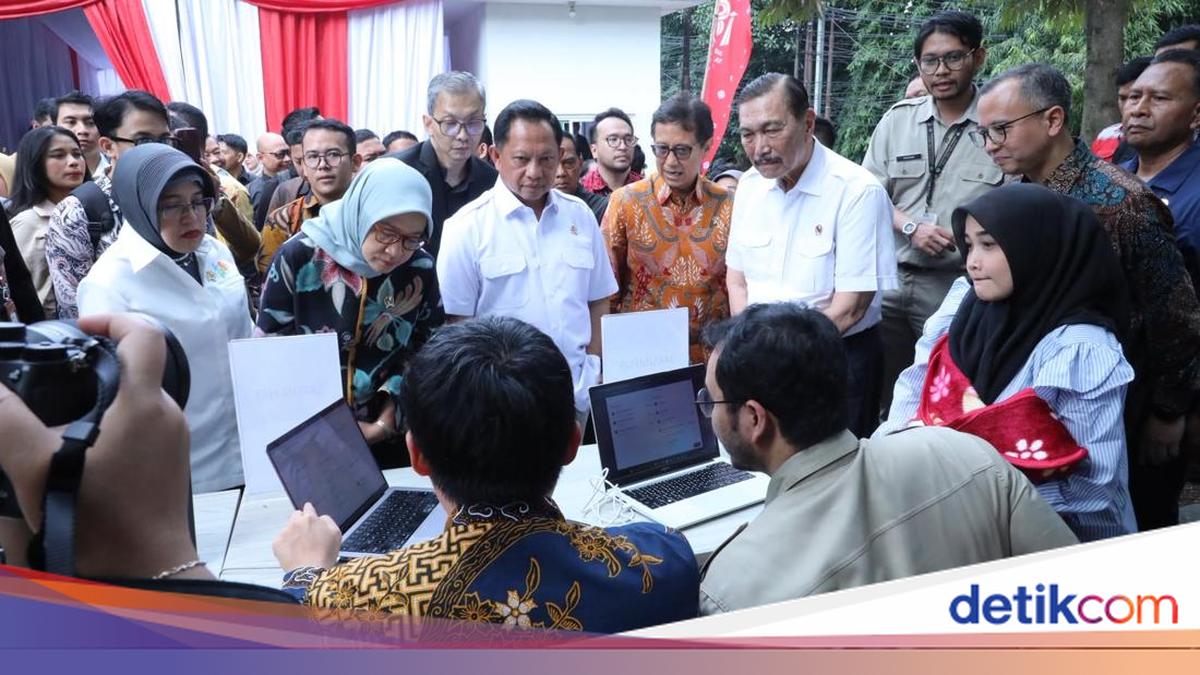
The Ministry of Administrative and Bureaucratic Reform (KemenPAN-RB) continues to bring government services closer to the public. During the government’s first two years, the ministry has expanded one-stop services and accelerated the digitalisation of licensing.
A total of 313 integrated, one-stop Public Service Malls (MPP) have been established in regions across the country, along with 211 Digital Public Service Malls ready to serve the public. According to Otok Kuswandaru, Deputy for Public Services at KemenPAN-RB, each MPP brings together an average of 150 types of administrative service.
“MPP is a transformational approach that not only brings services together, but also simplifies processes and provides a more responsive service experience,” Otok said, as quoted on the KemenPAN-RB website on Wednesday (4 November 2026).
He added that strengthening Digital MPPs was essential because they were an integral part of the modern public-service ecosystem. These integrated services have been shown to save the public time, effort and money.
Faster licensing
One clear example is the process for issuing practice licences to healthcare workers. Previously, obtaining a licence often took more than two weeks under the old bureaucracy. It can now be completed in less than a day through the Digital MPP application.
Minister for Administrative and Bureaucratic Reform Rini Widyantini said a process that once took a long time was now much faster, transparent, free of charge and straightforward.
“These services will make it easier for medical and healthcare workers to obtain the licences they need,” Rini said, as quoted on the KemenPAN-RB website on Wednesday (4 November 2026).
The improved service has also been reinforced by the signing of a joint ministerial decree formally involving five central government agencies.
Birth certificates
The public also no longer needs to handle population-administration documents separately. Through integration between systems, birth certificates can be issued automatically and sent online shortly after a baby is born at a healthcare facility.
Rini said that integration between hospital information systems, SATUSEHAT and the Population Administration Information System (SIAK) enables birth data from healthcare facilities to be linked to the population-administration process.
“The principle is simple: the data moves, not the people. This is the change we want to promote—from an ‘egosystem’ to an ecosystem,” she said.
Through this innovation, government agencies are no longer working solely within the limits of their respective mandates, but are connected to provide the public with a complete service experience. Alongside expanding facilities and integrating population-administration systems, KemenPAN-RB is also continuing to strengthen complaint channels so that residents’ concerns can be addressed quickly.
The SP4N-LAPOR complaints system recorded that 95% of public reports in 2026 had been fully addressed by the relevant agencies. This was a sharp rise from the 70% follow-up rate recorded in 2021. The positive performance has also helped boost public satisfaction with government services nationwide.
The National Public Satisfaction Index reached 89.45 in 2025, up from 88.11 in 2023. These achievements are in line with KemenPAN-RB’s goal of comprehensively reforming the country’s bureaucracy. The ministry says public services are becoming higher-quality, more integrated and more inclusive for all.
Source: jawawa.id (https://jawawa.id/newsitem/313-public-service-malls-and-211-digital-malls-make-services-easier-for-the-public-1793854354)
Originally published by detikcom (https://news.detik.com/berita/d-8739218/313-mpp-dan-211-mpp-digital-permudah-layanan-masyarakat-nih-buktinya), translated from Indonesian