
31 Ships Transiting the Strait of Hormuz Under IRGC Guard
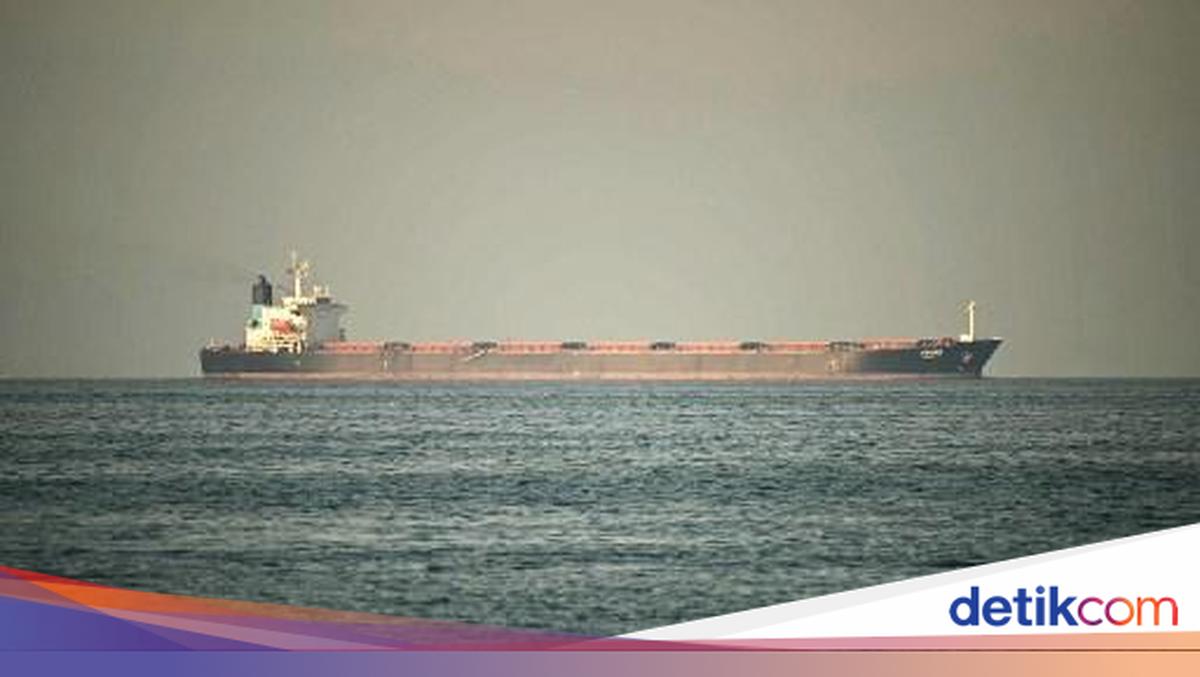
The Islamic Revolutionary Guard Corps (IRGC) said that at least 31 commercial ships had safely transited the Strait of Hormuz in the past 24 hours, despite security concerns created by the United States military in the Persian Gulf. The vessels included oil tankers and container ships. IRGC, as reported by Press TV on Friday, 22 May 2026, said the ships passed through the strategic waterway under the coordination and protection of the IRGC Navy. The statement was issued by the IRGC Navy’s Public Relations Office on Thursday, 21 May local time. “Despite the American terrorist military aggression and the security concerns never seen before in the Persian Gulf, particularly in the Strait of Hormuz, the IRGC Navy is striving to establish a clear and safe route for passage and the continuation of global trade,” the IRGC Navy Public Relations Office said. Iranian authorities controlling the Strait of Hormuz in the Persian Gulf region have established a zone for monitoring and managing the waterway. On Wednesday 20 May local time, Tehran announced that movement through the strategic corridor requires coordination and official permission. The Persian Gulf Strait Authority (PGSA) said the zone covers “a line connecting Mubarak Mountain in Iran and the southern Fujairah in the United Arab Emirates on the north-eastern side of the strait, extending to the line connecting the tip of Qeshm Island in Iran and Umm Al Quwain in the United Arab Emirates on the western side of the strait.” Iran has consolidated de facto control over the Strait of Hormuz via military checkpoints, vessel inspections, diplomatic arrangements, and in some cases security fees, for safe passage. According to shipping officials from Asia and Europe, and Iranian and Iraqi officials cited by Reuters, the IRGC plays a central role in the latest layered transit system that favours ships allied to Tehran, such as China and Russia. Ships from other nations, Reuters reports, may require government-to-government arrangements or payments to cross Hormuz. Documents sent to industry sources by PGSA Iran indicate IRGC requires ship owners to disclose details including cargo value, flag, origin and destination, registered owner and operator, and crew nationality. The IRGC will review the related documents and may conduct physical inspections of the vessel during the process. Inspections are also carried out by Iranian state bodies, including the Ports and Maritime Organisation, the Ministry of Industry, Mining and Trade, as well as national shipping organisations and the Security Council’s highest monitoring body.