
30th Anniversary of the Kudatuli Incident: A Dark Chapter in Indonesia's Democracy
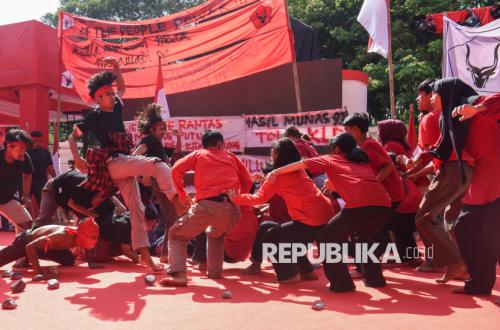
That grey Saturday will never be erased from the collective memory of the Indonesian nation. On 27 July 1996, the morning dew in Jakarta had not yet fully evaporated when the asphalt on Jalan Diponegoro Number 58, Central Jakarta, turned into a silent witness to the brutality of a regime. The tragedy later known by the acronym Kudatuli (the Twenty-Seventh of July Riot) was not merely an incident of seizing a political party office. More than that, it was the epicentre of civil resistance against the hegemony of the New Order, an epic eruption that tore apart the curtain of public fear, and became the death knell for a dictatorship that had been in power for three decades. Kudatuli is an epic about the high price of democracy. The blood spilled that day watered the seeds of Reformasi that would bloom two years later. However, the question today is: after more than two decades have passed, have we truly learned? Or are we dancing on the gravestones of democracy’s martyrs by repeating the same mistakes? To understand Kudatuli, we must turn back the clock. The New Order under General Soeharto designed a tightly controlled political system. The political party fusion of 1973 forced nationalist and Christian parties to merge into the Indonesian Democratic Party (PDI).