
3 Ways to Use ChatGPT to Turn Ideas into First Steps for a Business
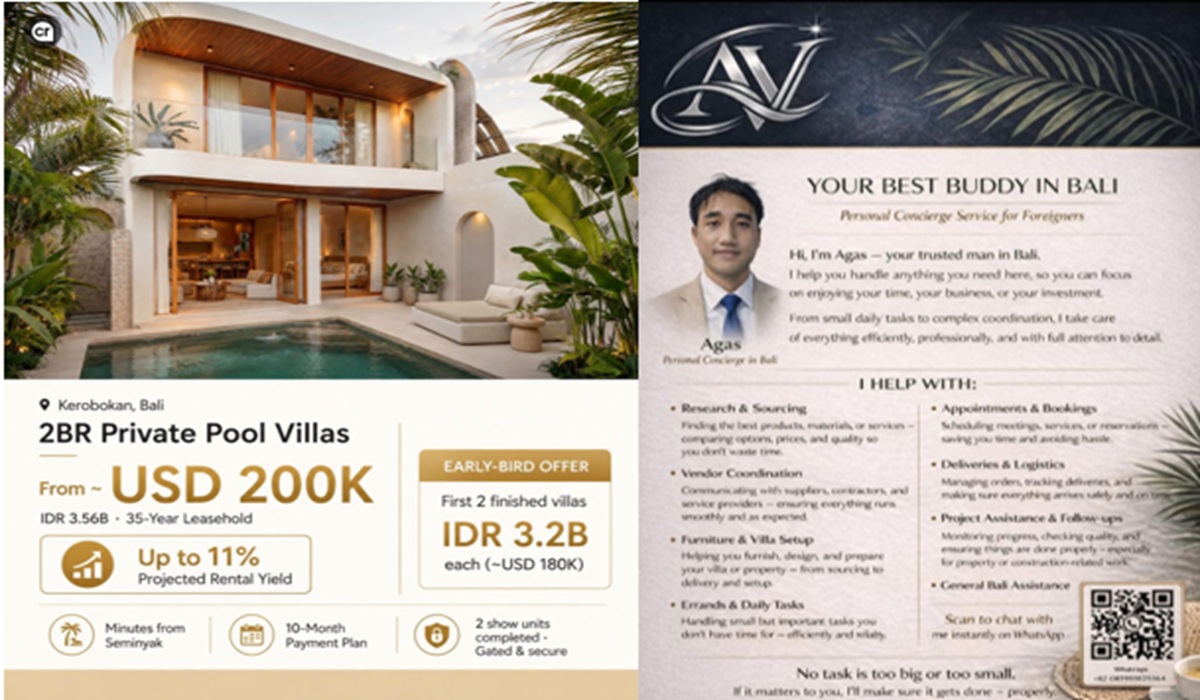
For many young people, the desire to build a business often begins with a passion to create new opportunities or simply to earn extra income. However, the reality is that determining the first step is never easy. A lack of experience, limited access to mentors, and resource constraints often become the main barriers.
This challenge was felt directly by Agasthea Viorent, familiarly known as Agas. A graduate of SMK Negeri 1 Banyuwangi who now resides in Denpasar, Bali, she has a diverse work history, ranging from the hospitality industry to being an online motorcycle taxi driver. Yet, the desire to have her own business remained strong.
With initial capital of only around Rp500,000, Agas decided to pioneer a virtual assistant service. Interestingly, she did not go it alone. She utilised ChatGPT as a thinking partner and business mentor to tidy up her ideas.
"Initially I had an idea, but I didn’t know where to start. With ChatGPT, I felt like I had a business mentor I could discuss with and map out business steps more clearly. However, the business decisions remained fully in my hands," Agas said.
Learning from Agas’s experience, here are three practical steps to using AI as a thinking partner to design a business:
The first step is not merely to find an idea, but to assess whether the idea is realistic. Agas used ChatGPT to test her virtual assistant service by providing full context about her background and target market in Bali.
She used the Truth, Diagnosis, Best Move, Action Plan, and Challenge framework. This approach helped objectively map out risks and opportunities. Now, through the ChatGPT Work feature, these discussion results can even be directly converted into a work plan document or a short presentation deck.
Once the business direction is clear, the next challenge is execution. Agas asked the AI for help to draft a first 7-day and 30-day action plan. This included mapping out skills to learn, tools needed, and how to reach the first client.
This strategy shifted the mindset from merely "having an idea" to "having concrete steps". With the help of an AI-generated spreadsheet, each priority and deadline became more measurable.
To make her services more widely known, Agas utilised ChatGPT to produce relevant social media materials, especially for the Facebook platform. She provided context about the service and target market so that the content generated was not excessive but still persuasive.
In addition to text, the use of ChatGPT Images also helped in creating supporting visuals. With the marketing pack feature, users can obtain a posting calendar along with caption drafts ready for publication.
Agas’s story proves that AI technology can be a catalyst for young entrepreneurs to tidy up their thinking structure and accelerate the initial steps of a business. Nonetheless, consistency and a deep understanding of client needs remain the main keys to success in the field.
For those who wish to delve deeper into using AI for self-development, practical guides and learning videos are now accessible through the OpenAI Academy or a special Chat page for students in Indonesia.