
3 Million Litres of Clean Water Distributed to Drought-Hit Areas in Central Java
“The regents and mayors have already carried out mapping. The drought-affected areas have all been mapped,” said Ahmad Luthfi in a written statement on Thursday (16 July 2026).
According to data from the Central Java Regional Disaster Management Agency (BPBD), more than a dozen regencies and cities in Central Java have declared alert status, namely Sukoharjo, Demak, Temanggung, Brebes, Kendal, Sragen, Banjarnegara, Purbalingga, Grobogan, Semarang, Pemalang, Wonosobo, Purworejo, Wonogiri, Salatiga City and Tegal City.
According to Luthfi, the mapping data will be followed up together with the relevant agencies. The response will be tailored to the characteristics and needs of each area.
“In principle, the regents and mayors already have the data. All that remains is for us to execute the activities,” he said.
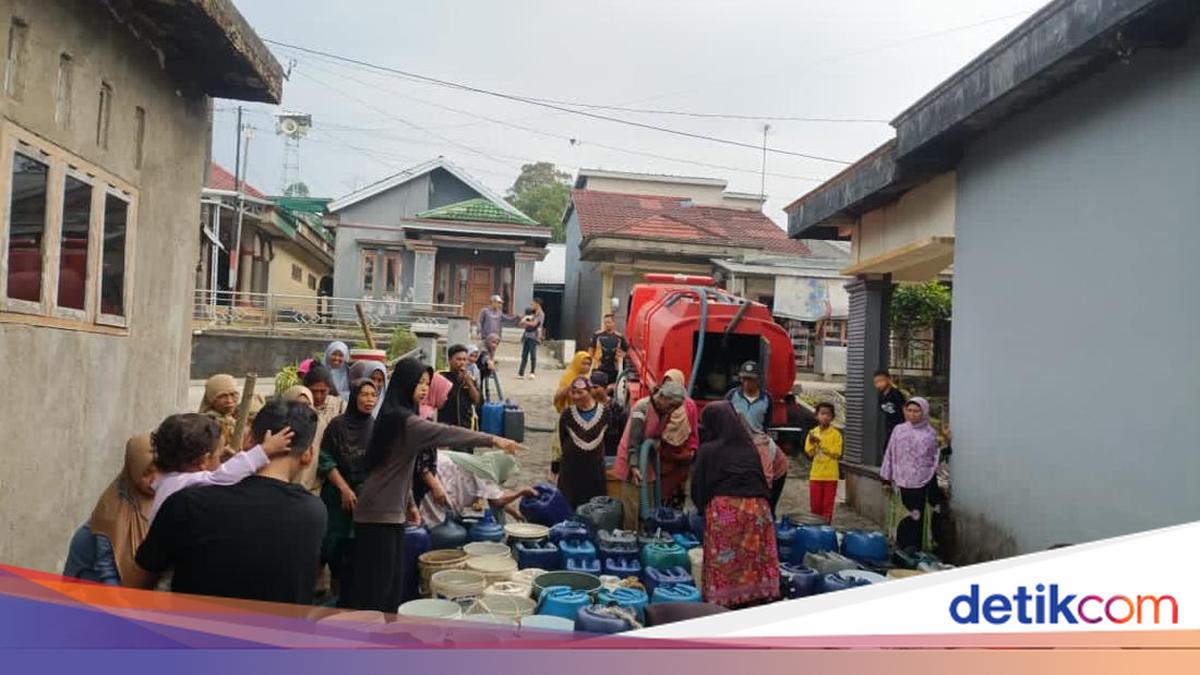
From 5 June to 14 July 2026, some 3,258,000 litres of clean water has been distributed through 660 tankers to 30,378 heads of families, or roughly 81,297 individuals, across 15 regencies: Cilacap, Banyumas, Purbalingga, Banjarnegara, Purworejo, Magelang, Boyolali, Klaten, Sukoharjo, Sragen, Grobogan, Jepara, Demak, Semarang and Pemalang.
The clean water response has not been carried out by the Central Java Provincial Government alone, but in collaboration with local regency governments, BPJS Kesehatan, the Serayu Opak River Basin Centre, and the regional publicly owned company Tirta Satria, through its Corporate Social Responsibility (CSR) programme. It is this spirit of mutual cooperation that has become Central Java’s strength in facing disasters.
Indeed, the Central Java Provincial Government issued a Governor’s Circular on Anticipating Drought Disasters and Forest and Land Fires as early as 9 June 2026. The circular serves as a guideline to strengthen coordination and raise the preparedness of all regional governments in facing potential disasters during the dry season.
Luthfi added that technical discussions on drought response are continuing between the provincial government and regency and city governments.
With the mapping already available, Luthfi has asked each area to promptly prepare operational measures so that communities retain access to clean water throughout the dry season.
Beyond the emergency response through clean water deliveries, the provincial government is also strengthening medium- and long-term measures, such as maintaining communal boreholes, reinforcing clean water supply infrastructure, improving logistics management, conserving water resources, and educating the public to use water wisely during the dry season.