
3 Investments Made by Prophet Muhammad That Can Serve as Examples
Investment is not a new practice. Since the time of Prophet Muhammad, managing and growing wealth has been part of the economic life of society.
Prophet Muhammad was known not only as a messenger and role model for Muslims, but also as a trader with a strong reputation in running a business.
So, what was Prophet Muhammad’s investment strategy like?
Referring to the research The Rasulullah Way of Business (2021), Prophet Muhammad possessed the capital of trust and was ultimately able to attract investors because of his honest and trustworthy character.
After running a business using funds collected from investors, Prophet Muhammad shared the profits from his ventures. He then invested with the aim of earning passive income.
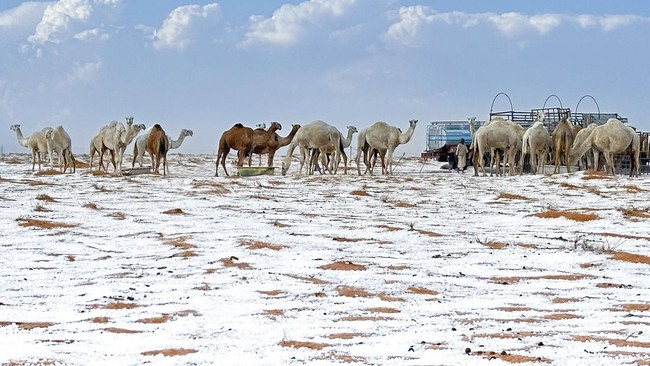
One of the things Prophet Muhammad did was livestock farming. He continued the skill he had developed since childhood into adulthood by owning dozens of camels. The Prophet is also known to have owned several other animals, including horses, donkeys, cattle, and sheep.
In addition to livestock farming, Prophet Muhammad also invested in land and property. A Musaffa report notes that land was leased to Jewish people under a profit-sharing concept.
Prophet Muhammad also leased date palm orchards and land in Khaybar to Jewish people. They were allowed to live on the land and manage it, sharing the profits. This profit-sharing concept eventually became known as mudharabah.
One important lesson from Prophet Muhammad’s investment activities relates to charity. Islam teaches that there is a right of others in a person’s wealth, and by helping others one gains extraordinary rewards.
Prophet Muhammad did not hoard his wealth. The Prophet was known as a figure who frequently gave charity, whether in the form of money, clothing, or food.
Ultimately, if you wish to follow Prophet Muhammad in investing, choose property, land, and livestock. And do not forget to give charity.