
3-in-1 initiative tackles limited agricultural land in Palembang
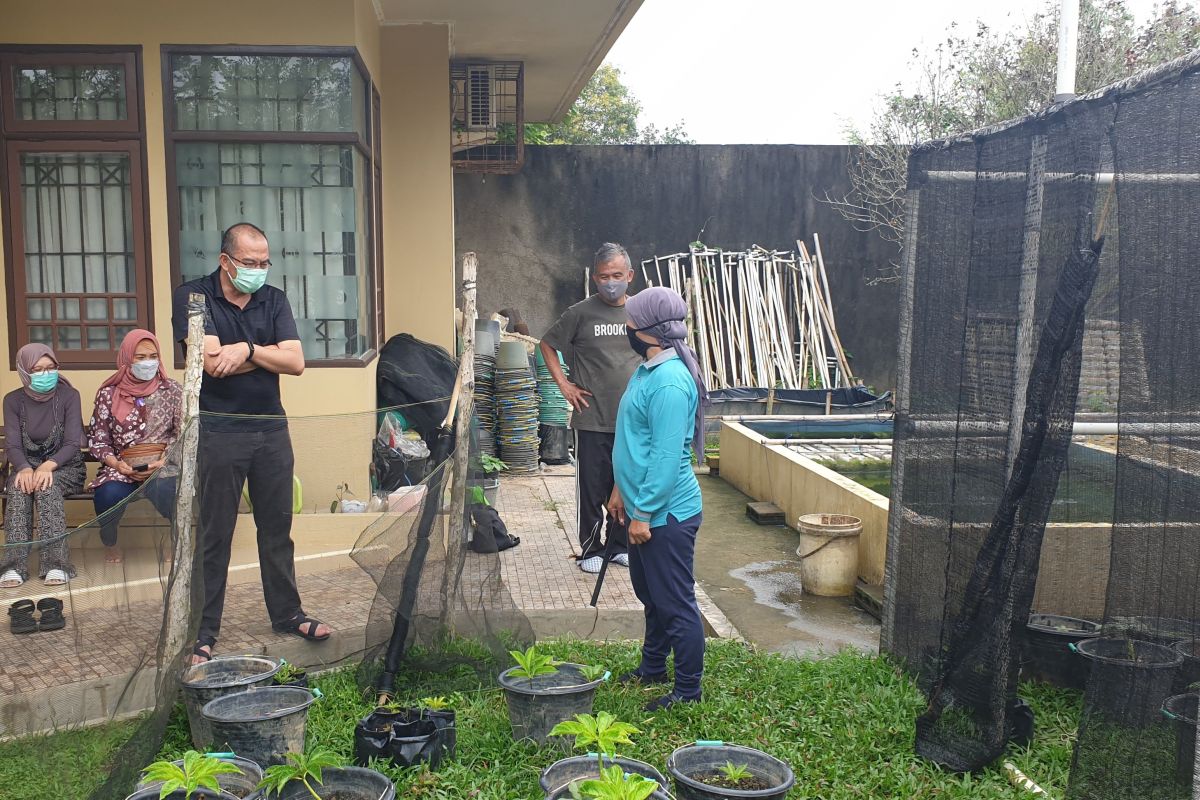
The ongoing reduction of agricultural and plantation land in urban areas is a nationwide issue. However, limited land does not mean urban residents cannot cultivate like their rural counterparts; they simply need to adopt specific methods. Space may be tight, but creativity must not be. Cities need food, and it is this constraint that spurs innovation. This issue also affects Palembang, South Sumatra, a city spanning approximately 352 square kilometres with 18 districts. In response, lecturers and students from Sriwijaya University (Unsri) in Palembang have innovated to find solutions. They are developing ways to maximise the use of limited land for farming. A group of lecturers and Unsri postgraduate students have developed an urban farming initiative in Palembang to enhance food security through a ‘3-in-1’ system—three activities on a single plot of land. Professor Benyamin Lakitan of Unsri said urban development in Palembang has reduced available farmland, necessitating innovative land optimisation for urban farming. Urban farming involves cultivating, processing, and distributing food within or around cities. The urban land optimisation project, developed with students, uses a single plot for multiple activities. Initially, the project was implemented in Professor Lakitan’s backyard. The limited space was used for fish farming, vegetables, and medicinal plants, with ponds built for catfish, tilapia, and snakehead. Floating platforms made from recycled bottles and bamboo were used above the ponds to grow vegetables, herbs, and chillies. The urban farming initiative now follows a ‘3-in-1’ model, using pond edges for crops like chaya, kale, taro, red spinach, bok choy, ginseng, and porang—items not widely available but in demand. Vertical trellises above the fish ponds support climbing crops such as luffa, long beans, grapes, and melons. Prof Lakitan and his team are open to guiding the public and students interested in urban farming techniques. This optimisation aims to maximise food production for daily needs, with surplus sold to neighbours as a family side business. If produced in large quantities and coordinated collectively, Benyamin said the harvest could be sold to the kitchens of the government’s Free Nutritious Meals (MBG) programme in residential areas. Urban residents are encouraged to adopt 3-in-1 farming in their backyards by creating fish ponds and growing diverse vegetables and useful plants despite limited space. Such initiatives are also believed to help communities when vegetable prices surge. Enhancing environmental quality.