
27-Metre Giant Fossil Discovered in Thailand, Identified as Nagatitan Chaiyaphumensis
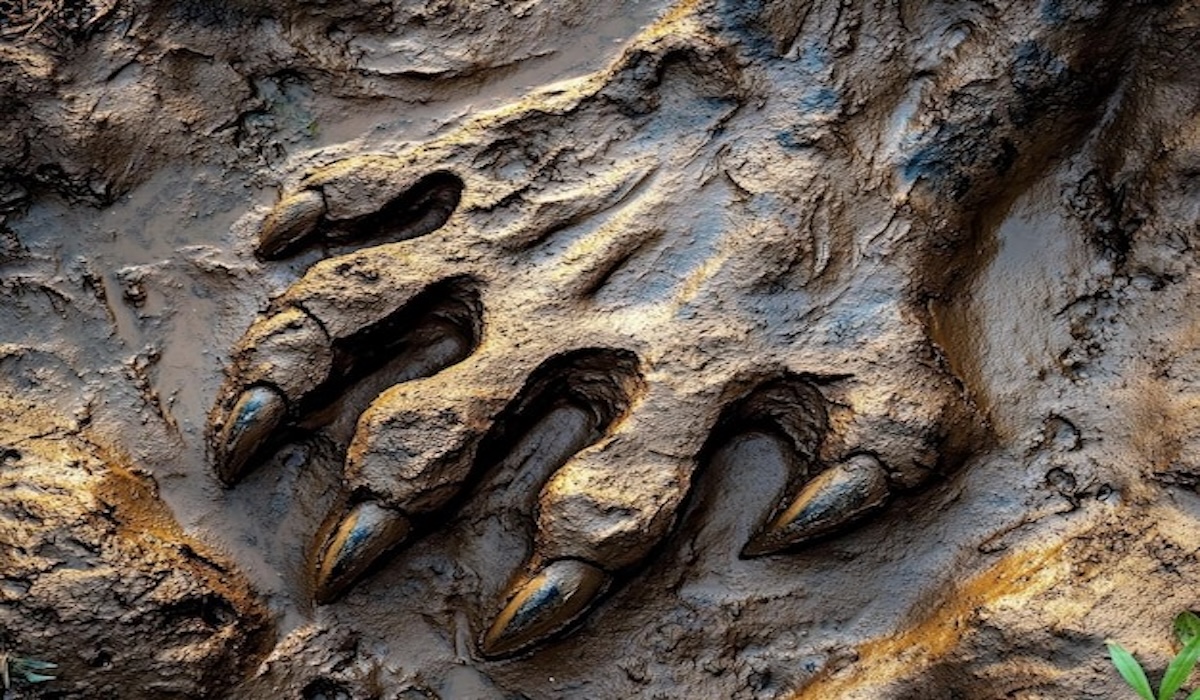
Scientists have successfully identified Nagatitan chaiyaphumensis, the largest dinosaur ever found in Southeast Asia, in the Chaiyaphum province of northeastern Thailand. This sauropod species, measuring 27 meters in length, is estimated to have lived approximately 113 million years ago, and the research findings were officially published in the journal Scientific Reports in May 2026.
The discovery of the giant fossil in northeastern Thailand reveals the existence of a new dinosaur species that sets a record for size in the Southeast Asian region. This dinosaur, named Nagatitan chaiyaphumensis, has a length of nearly 27 meters, with an estimated weight of 25 to 28 tons.
The fossil was first discovered by local residents before being excavated over several years by a research team. The team found crucial bone parts, including vertebrae, ribs, pelvis, and a 1.78-meter-long humerus, confirming its massive size.
Nagatitan belongs to the sauropod group, long-necked herbivores that dominated the subtropical ecosystems of Thailand during the Cretaceous period. With its enormous size, adult Nagatitan likely faced few threats from predators in its habitat, which was also inhabited by relatives of Carcharodontosaurus.
“In its adult size, Nagatitan likely had almost no threats from predators,” said Thitiwoot Sethapanichsakul, a doctoral student in paleontology at University College London and the lead author of the study.
Paul Upchurch, a paleontologist also involved in the study, added that rapid growth was key to the survival of this species. “The faster a sauropod reaches a large size, the safer they become because they will be much more difficult to attack,” he explained.
Anatomically, Nagatitan has unique adaptations in the form of thin-walled bones with internal air sacs. This structure allows its skeletal frame to remain lightweight while supporting a very large mass. The name “Nagatitan” is taken from “Naga,” a mythological creature in Asian traditions, and “Titan,” referring to its gigantic size.