
26,649 Reports of Fraudulent Investment, Victims Mostly Young Workers
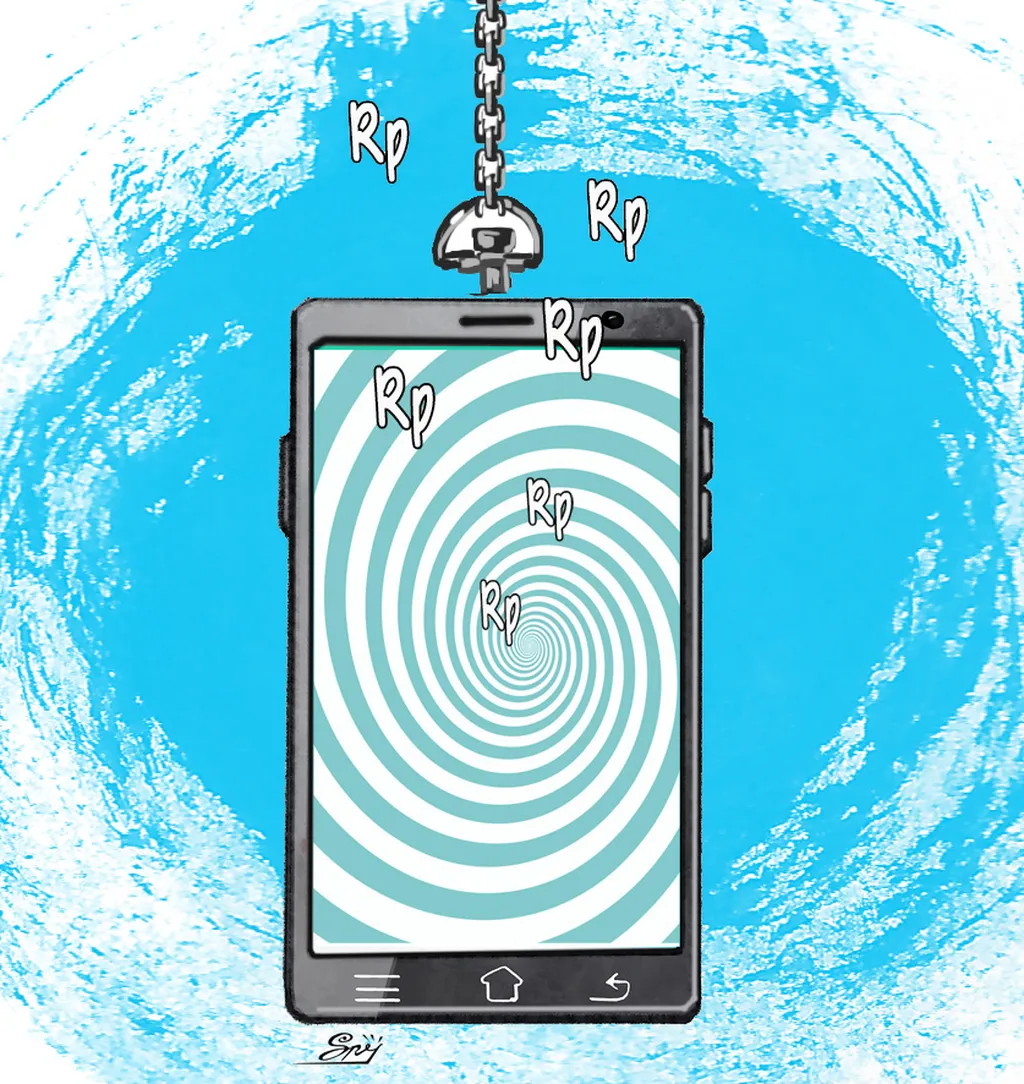
The Indonesia Anti-Scam Center (IASC), coordinated by the OJK’s Task Force for the Eradication of Illegal Financial Activities (Satgas PASTI), has recorded various modes of financial crime reported by the public. Fraudulent shopping transactions were the most common, with 77,740 reports, followed by impersonation or fake calls with 47,269 reports, investment scams with 26,649 reports, job scams with 23,910 reports, and social media fraud with 20,469 reports. This data was collected from the IASC’s launch on 22 November 2024 until 31 May 2026.
Satgas PASTI Secretary Hudiyanto explained that victims of investment crime come from diverse backgrounds. He noted that higher education is no guarantee, as perpetrators target human psychology, specifically greed. When promised large profits in a short time, critical reasoning often fails. Data shows that victims of illegal financial activities are predominantly private sector workers and those of productive age, between 18 and 35 years old.
Satgas PASTI has mapped four main characteristics of illegal investment entities. These schemes typically offer unreasonable, risk-free profits, promising instant and multiplied returns, such as turning Rp 5 million into Rp 10 million in days with no risk. In reality, financial instruments follow the principle of high risk, high return. The scams often rely on Ponzi schemes, using member-get-member recruitment systems where returns for old members are paid from new members’ deposits rather than real business turnover. Another common tactic involves leveraging the influence of religious leaders, public figures, or local officials during launch events to build legitimacy and manipulate public trust.
The OJK also highlighted the rise of impersonation scams, where perpetrators duplicate the social media accounts of legal securities or financing companies and issue fake letters with fictitious directors’ signatures to threaten victims into depositing additional funds under the guise of part-time tasks like liking, sharing, and commenting. In a recent case, the Directorate General of Immigration arrested 210 foreign nationals in a Batam apartment suspected of being part of an international online investment fraud network targeting victims in Europe and Vietnam through fictitious stock and forex trading schemes.
To combat these evolving threats, the IASC is accelerating transaction holds, blocking accounts suspected of being used by perpetrators, and assisting in the recovery of victims’ remaining funds. The centre coordinates with banks, payment service providers, fintech companies, securities firms, industry associations, ministries, and the police. It has also established a direct line with the Ministry of Communication and Digital Affairs to conduct daily mass blocking of phone numbers, Instagram accounts, and WhatsApp contacts indicated for fraud. Financial service businesses are being asked to conduct independent patrols to identify and report cloned accounts misusing their names.