
25 Cities in the World That Have Changed Names, Including Jakarta
A city’s name may appear permanent on a map, but history proves otherwise. When power shifts, colonialism ends, or local identities are reaffirmed, the name of a city can change.
From Jakarta, formerly known as Batavia, to Mumbai, which was once called Bombay, the renaming of cities is more than just a change in terminology. Behind these changes lie traces of political shifts, history, power struggles, and the efforts of a society to reassert its identity.
25 Global Cities with Different Names
City name changes do not always share the same underlying reasons. In several instances, a new name emerges following a change in governance.
New Amsterdam, for example, was the name of the Dutch settlement in Manhattan before the territory was seized by the British in 1664 and subsequently known as New York.
In Vietnam, Saigon was officially renamed Ho Chi Minh City following the end of the Vietnam War in 1975.
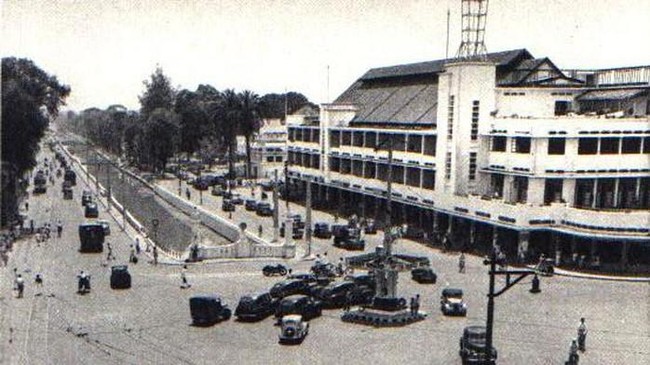
Jakarta shares a similar history. After the VOC captured Jayakarta in 1619, the Dutch built a colonial city that later became known as Batavia. This colonial name was abolished during the Japanese occupation, when Jakarta was reinstated.
However, name changes are not always linked to regime changes. Mumbai serves as an example of how a city’s name can be tied to local identity. The name Bombay, used during the colonial era, was officially changed to Mumbai in 1995, referring to Mumbadevi, which is associated with the local Koli community.
There are also changes that are primarily linguistic. Beijing was previously widely written as Peking in Western maps and publications. This change was related to the implementation of China’s Pinyin romanisation system in 1958, rather than a political renaming of the city.
In other cities, old names even persist in daily usage despite official changes. In Ho Chi Minh City, for instance, the term Saigon is still used to refer to several central urban areas.
Ultimately, a city’s name is more than just a location marker. Behind a single name can lie the history of colonialism, shifts in power, migration, language, and societal identity. Therefore, when a city changes its name, it is not just the writing on the map that changes, but also the way a place tells its history.