
25,000 Students Involved by West Java Provincial Government to Assist Community in Waste Management
The Regional Secretary of West Java Province, Herman Suryatman, stated that the provincial government has consolidated with universities in West Java to synergise efforts in handling waste management at the source.
Herman announced that approximately 25,000 students will be deployed in the field for three months, starting in October 2026, to educate and assist the community in waste management. Students will receive credit conversions of up to 10 SKS (credits) and will be equipped with modules and digital tools to guide their implementation.
Regional Secretary Herman explained that this large-scale programme is an expansion of a pilot project in the Arcamanik District, Bandung City, which involved around 500 students over three months. Evaluation results from that programme showed that student assistance was able to reduce waste generation by approximately 20 per cent and double the rate of waste sorting.
This success will be replicated across approximately 52 districts in the Greater Bandung area. The West Java Provincial Government has conducted consultations with sub-district heads and universities to prepare for the implementation.
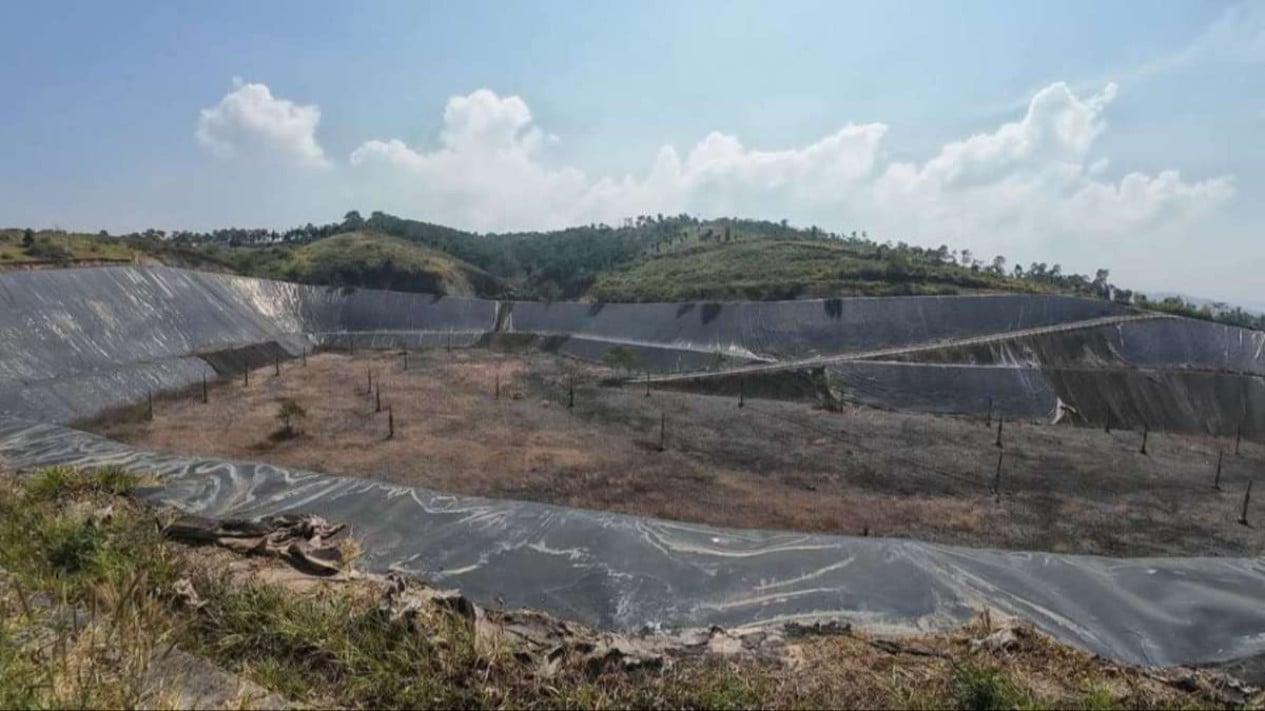
“The target is to reduce waste from its source by up to 20 per cent. If this target is achieved, from the approximately 5,000 tonnes of waste produced in Greater Bandung every day, about 1,000 tonnes can be suppressed before reaching the Sarimukti landfill,” said Herman Suryatman at the West Java Regional House of Representatives building on Tuesday (6/10/2026).
On the other hand, the West Java Provincial Government is also encouraging the optimisation of existing waste processing facilities in the regencies and cities of Greater Bandung. These include TPS 3R (Reduce, Reuse, Recycle) sites, sorting facilities, RDF (Refuse Derived Fuel), composting, maggot cultivation, and various other processing technologies, which will be tailored to the characteristics of the waste and the conditions of each area.
Herman noted that many facilities are actually available but are not yet operating optimally. One of the issues is that incoming waste is not yet sorted, preventing certain processing technologies from working at maximum capacity.
He cited maggot cultivation facilities, which require sorted organic waste, as an example. When waste is still mixed with plastic and other materials, these facilities cannot be utilised to their full potential.
“No matter how advanced the technology, the key remains human capital, human resources. Changing behaviour is not as simple as turning over one’s palm, but it must be done,” he said.
Consequently, the West Java Provincial Government’s strategy is being implemented through two simultaneous approaches: technology engineering and social engineering. While technology continues to be developed, changes in community behaviour are being driven massively through direct education and assistance.
Source: jawawa.id (https://jawawa.id/newsitem/25-000-students-involved-by-west-java-provincial-government-to-assist-community-in-waste-management-1791377639)
Originally published by VIVA.co.id (https://www.viva.co.id/berita/nasional/1934001-25000-mahasiswa-dilibatkan-pemprov-jabar-untuk-dampingi-masyarakat-kelola-sampah-ini-target-besarnya), translated from Indonesian