
22,866 BPJS PBI Members in Sleman Deactivated; How to Reactivate Coverage
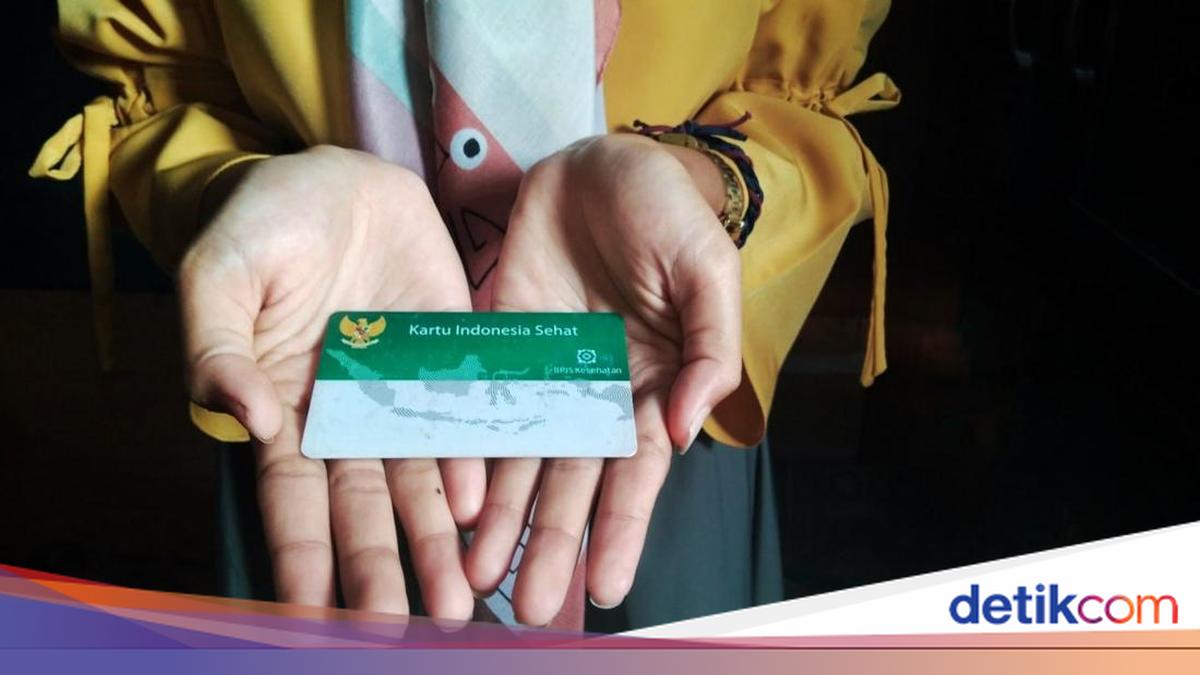
A total of 22,866 members of BPJS Health’s Contribution Assistance Recipient (PBI) scheme in Sleman Regency were deactivated on 1 November 2026. Sleman’s Social Affairs Office has opened a service for residents affected to apply for reactivation.
“Those who meet the criteria and are poor, particularly those classified as poor or vulnerable to poverty, will be prioritised for reactivation. They can come to the Social Affairs Office with their identity card. If they are ill, they should also bring a letter from a doctor, community health centre or hospital; if they are in hospital, documentation from the hospital is sufficient,” Sarastomo Ari Saptoto, head of the Social Protection and Social Security Division at Sleman’s Social Affairs Office, told detikJogja on Wednesday (4 November 2026).
Ari said the office had received public complaints since Monday, averaging around 40 to 50 a day about the deactivation of PBI coverage.
He said 22,866 PBI members had been deactivated, most of them following changes to their socioeconomic data decile.
“The main reason is a change in decile. The central government uses deciles in the National Socio-Economic Single Data (DTSEN), and as the underlying data is updated, most of those deactivated no longer meet the criteria because they are now in deciles six to 10,” he said.
Ari said the Sleman Regency Government was seeking to help affected residents apply to have their PBI membership restored. However, because of limited quotas and funding, the Social Affairs Office is applying a priority system.
The first priority is residents currently receiving hospital treatment, followed by people with chronic or catastrophic illnesses, including heart and lung disease, and those undergoing dialysis or chemotherapy.
“Residents who are ill, for example those already in hospital, are the first priority for immediate reactivation. People with chronic or catastrophic illnesses, such as heart or lung disease, or those undergoing dialysis or chemotherapy, are also among Sleman Regency’s priorities for restoring PBI coverage,” he said.
He urged residents to check their BPJS Health membership status regularly, preferably once a month, so they can find out promptly if it has become inactive and take action before seeking care.
“We tell residents to check at least once a month whether their membership is active. If they find out it is inactive, they can report it straight away. They should not wait until they are at a healthcare facility or queuing for treatment to discover it,” he said.
Ari said residents whose coverage was deactivated because their decile had changed and who were deemed no longer eligible for government assistance should switch to the self-funded membership scheme. Those in employment can enrol through their workplace as Wage-Earner Participants (PPU).
“People in higher deciles can activate membership through the self-funded segment. Those who are already working can do so through their workplace and become Wage-Earner Participants. They will no longer be covered by the government, because government-funded membership is intended for people who are poor or vulnerable to poverty, as well as those with chronic or catastrophic illnesses,” he said.
Yanti, a resident of Condongcatur and a PBI member, said she had discovered that her coverage was inactive while taking her mother for a check-up at a community health centre. She said she had not known her membership had been deactivated because she rarely checked whether it was still usable, and staff directed her to the village office.