
212-Million-Year-Old Crocodile Ancestor Discovered with Beak but No Teeth
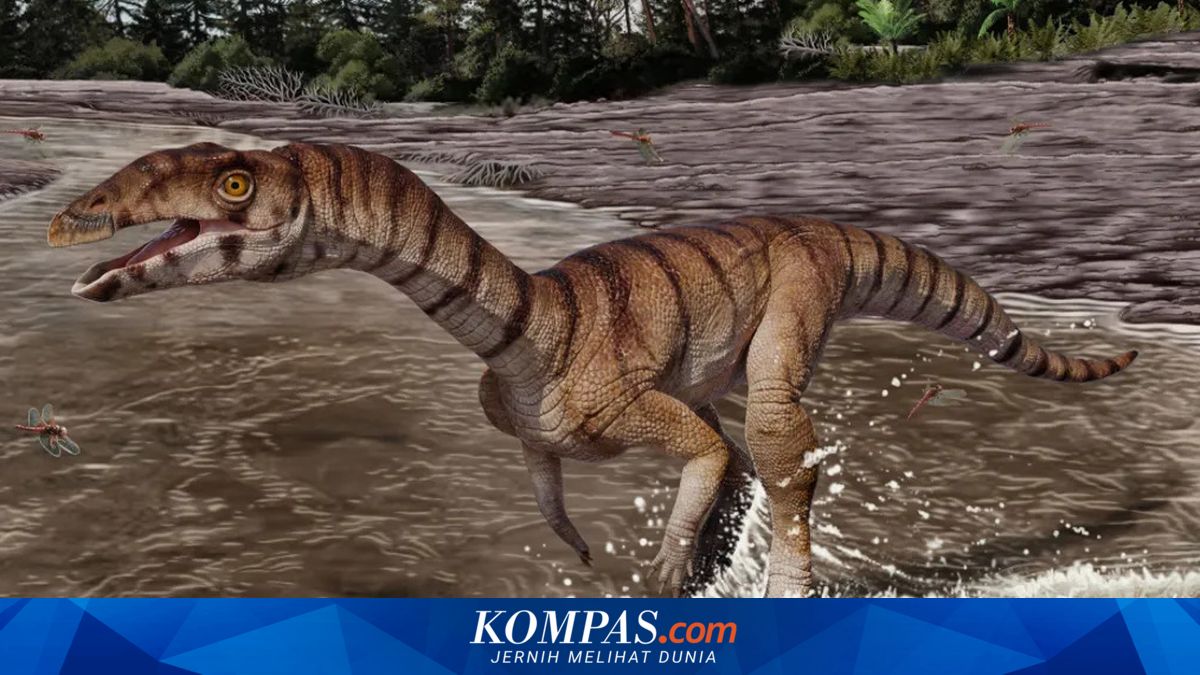
Imagine the image that comes to mind when you hear ‘crocodile’: large jaws, terrifying sharp teeth, or a long, block-like body crawling on four legs? If so, prepare to be surprised by the latest findings from palaeontologists.
Recently, scientists identified a new species of crocodile ancestor that lived 212 million years ago. Far from being fearsome, this ancient creature had no teeth, possessed a beak, and walked upright on two legs—a stark contrast to modern crocodiles.
It is the newest member of the Shuvosauridae family, an extinct group of reptiles that more closely resemble short-armed theropod dinosaurs than crocodiles.
The name Labrujasuchus comes from Ranchos de los Brujos, meaning ‘Witches’ Ranch’, the old name for Ghost Ranch in New Mexico, USA, where the unique fossil was discovered. According to local legend, the mystical name was used by early ranchers to scare people away from the area to prevent livestock theft.
The species name ‘expectatus’ means ‘expected’, chosen because researchers had long predicted a missing link between two previously found shuvosaurid fossils in the region.
What was the beak used for? Since the fossil is newly studied, scientists are still seeking definitive answers. ‘We don’t yet know exactly what Labrujasuchus used its beak for. However, studies on its relatives suggest that the lower jaws of shuvosaurids were relatively weak. They were likely specialists in chewing soft plants or vegetation,’ said Nathan Smith, a co-author of the study from the Natural History Museum of Los Angeles County.
To modern humans, imagining a crocodile walking on two legs may seem bizarre. But during the Triassic period (the dawn of the dinosaurs), crocodile ancestors explored many different lifestyles. Before evolving into today’s four-legged aquatic predators, some ancestors were fast runners, others lived in trees, and some, like Labrujasuchus, walked bipedally.
Alan Turner, lead author of the study from Stony Brook University in New York, explained that these survival strategies were highly successful in their time.
The comprehensive research on this unique ‘Witch’s Crocodile’ has been officially published in the Journal of Vertebrate Paleontology. This discovery marks a significant milestone after the research team spent 20 years investigating Ghost Ranch. Scientists believe many more ‘strange creatures’ remain buried in the witches’ ranch, waiting to be uncovered.