
21 Diseases Not Covered by BPJS Kesehatan from May 2026
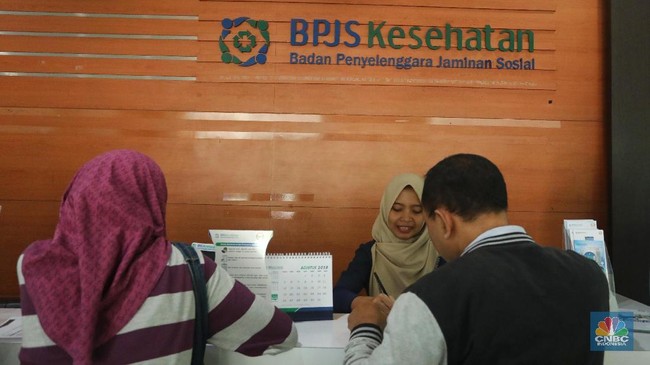
21 Diseases Not Covered by BPJS Kesehatan from May 2026
Jakarta, CNBC Indonesia - The National Health Insurance (JKN) program through BPJS Kesehatan is a mainstay for the community to gain access to free medical treatment. However, it is important not to misunderstand that not all types of diseases and medical procedures can be covered by BPJS Kesehatan.
Based on the applicable regulations, especially referring to Presidential Regulation (Perpres) Number 82 of 2018 concerning Health Insurance, the government has established clear limitations on what is not included in state coverage. As of May 2026, this regulation will remain the main reference for participants.
This is important to understand so that the public does not fall into unexpected medical bills when accessing health services. So, what are the list of diseases and services that must be paid for out of pocket?
Here is a list of 21 diseases and services that will not be covered by BPJS Kesehatan as of May 2026:
Diseases Due to Outbreaks or Extraordinary Events (KLB): Health disorders that occur due to outbreaks or Extraordinary Events (KLB).
Aesthetic & Beauty Services: All forms of beauty treatments, including plastic surgery aimed at appearance (cosmetic).
Orthodontic Treatment: Installation of braces or dental wires and other dental treatments that are aesthetic in nature.
Diseases Resulting from Criminal Acts: Diseases or injuries that arise from criminal acts, such as abuse or sexual violence.
Injuries Resulting from Self-Harm: Injuries or illnesses that arise from suicide attempts or intentional self-harm.
Alcohol & Drug Addiction: Health disorders triggered by excessive alcohol consumption or drug addiction.
Infertility Treatment: Health services to overcome infertility or fertility programs.
Injuries Resulting from Preventable Events: For example, injuries resulting from brawls or dangerous activities that could have been avoided.
Treatment Abroad: BPJS Kesehatan only applies to health facilities within the country.
Experimental Medical Procedures: Health services that are still in the form of trials or experiments.
Alternative & Traditional Medicine: Complementary or traditional therapies that have not been medically tested or have not been included in health technology assessments (HTA).
Contraceptives & Cosmetics: Provision of contraceptives or topical drugs not related to basic medical procedures.
Household Health Supplies.
Services Not in Accordance with Procedures: Services carried out on their own request or not following the established tiered referral pathway.
Health Facilities That Do Not Cooperate: Services in health facilities that are not BPJS partners (except in emergency medical conditions).
Occupational Accidents: Diseases or injuries resulting from occupational accidents that are already covered by occupational accident insurance programs (such as BPJS Ketenagakerjaan).
Traffic Accidents: Injuries that are already covered by PT Jasa Raharja up to a certain limit.
Services Related to the Ministry of Defense, TNI, and Polri: Certain health services that are under the authority of defense and security agencies.
Social Service Activities: Health services provided in the context of social activities.
Services That Have Been Guaranteed by Other Programs: All types of treatments that have received coverage from other insurance schemes.
Services Not Related to JKN Benefits: Services that are considered not directly related to basic health insurance benefits.
It is important to note that BPJS Kesehatan participants are advised to always follow the referral procedure from Primary Health Care Facilities (FKTP) such as Community Health Centers or Clinics before going to the Hospital, except in emergency conditions. If the procedure is not followed or the disease is on the list above, then the cost of treatment will be the full responsibility of the patient.