
2027 Hajj Costs Projected Not to Burden Pilgrims
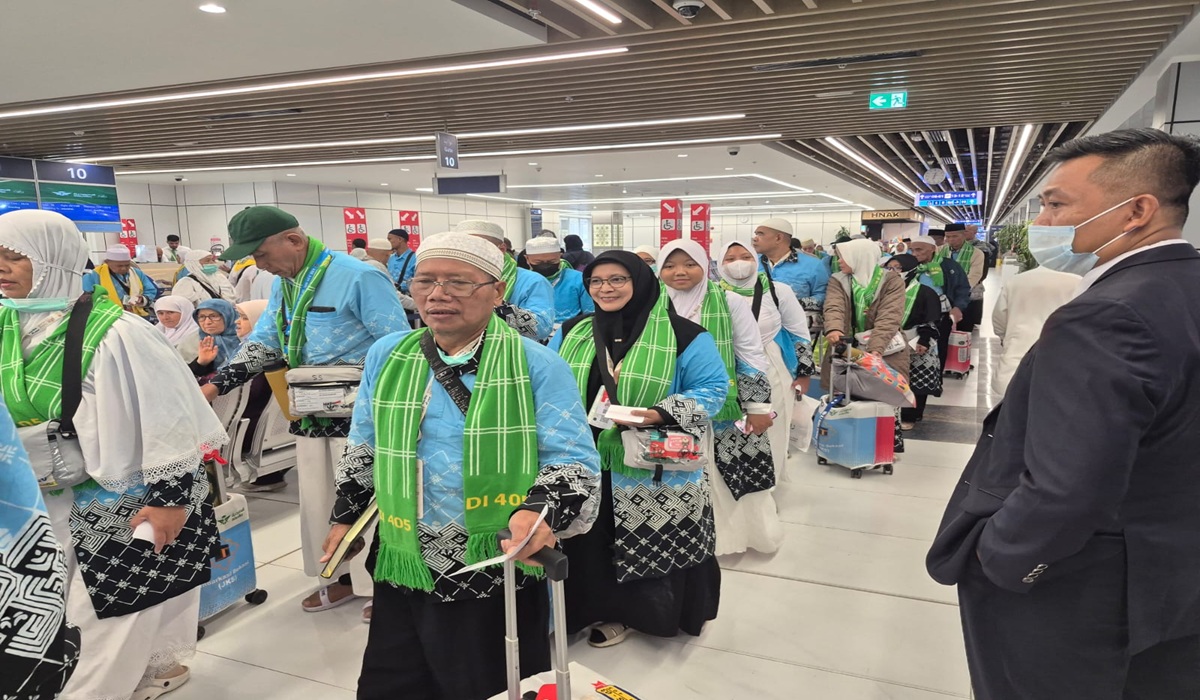
The Cost of Hajj Implementation (BPIH) for the year 1448 Hijriah/2027 is currently being drafted by the government. Deputy Minister of Hajj and Umrah Dahnil Anzar Simanjuntak stated that although several cost components are expected to rise, the government is ensuring that the 2027 Hajj costs will not burden the pilgrims. He explained that there are several increases in Hajj cost components, such as flights due to rising avtur prices, as well as accommodation costs in Saudi Arabia. “The Saudi Arabian government has also removed category D services, so all services have been upgraded to category C. This automatically increases the cost of Hajj services,” he said on Tuesday (30/6). Dahnil also conveyed that the rising prices of goods and services in Saudi Arabia are an important factor in drafting next year’s Hajj cost projections. Currently, he said, all components of next year’s Hajj costs are being discussed with stakeholders. “Services are improving, but the burden on the community must still be eased,” he said. He acknowledged there will be a change in the Hajj financing portion. In the 2026 Hajj implementation, the value of benefits derived from the management of Hajj funds contributed around 39 percent, while around 61 percent was borne by the pilgrims. For the 2027 Hajj implementation, the government is striving to reverse this composition. “Around 60 percent of the implementation costs are projected to be supported through the value of benefits from Hajj fund management by BPKH, while the portion paid directly by pilgrims is projected at around 40 percent,” Dahnil explained. Dahnil explained that during the Covid-19 pandemic in 2020 and 2021, the Hajj pilgrimage from Indonesia was not carried out, while in 2022 the number of pilgrims dispatched was only about 50 percent of the normal quota. Therefore, there is an accumulation of managed funds that can be utilised optimally while still observing the principle of sustainability in Hajj fund management.