
2026 State Budget deficit below 3 percent seen as key to maintaining positive market sentiment
The Head of Macroeconomics and Finance at the Institute for Development of Economics and Finance (Indef), M Rizal Taufikurahman, believes that the 2026 State Budget (APBN) deficit condition, which is below 3 percent, is an important asset for maintaining positive market perception.
“The 2026 APBN deficit target of 2.68 percent of gross domestic product (GDP), which is still below the 3 percent limit, is an important asset for maintaining positive market perception,” Rizal said when contacted in Jakarta on Friday.
Rizal stated that market confidence is currently heavily determined by the credibility of economic policy. He assessed that investors tend to be more cautious, meaning government financing has the potential to increase amid the current economic situation.
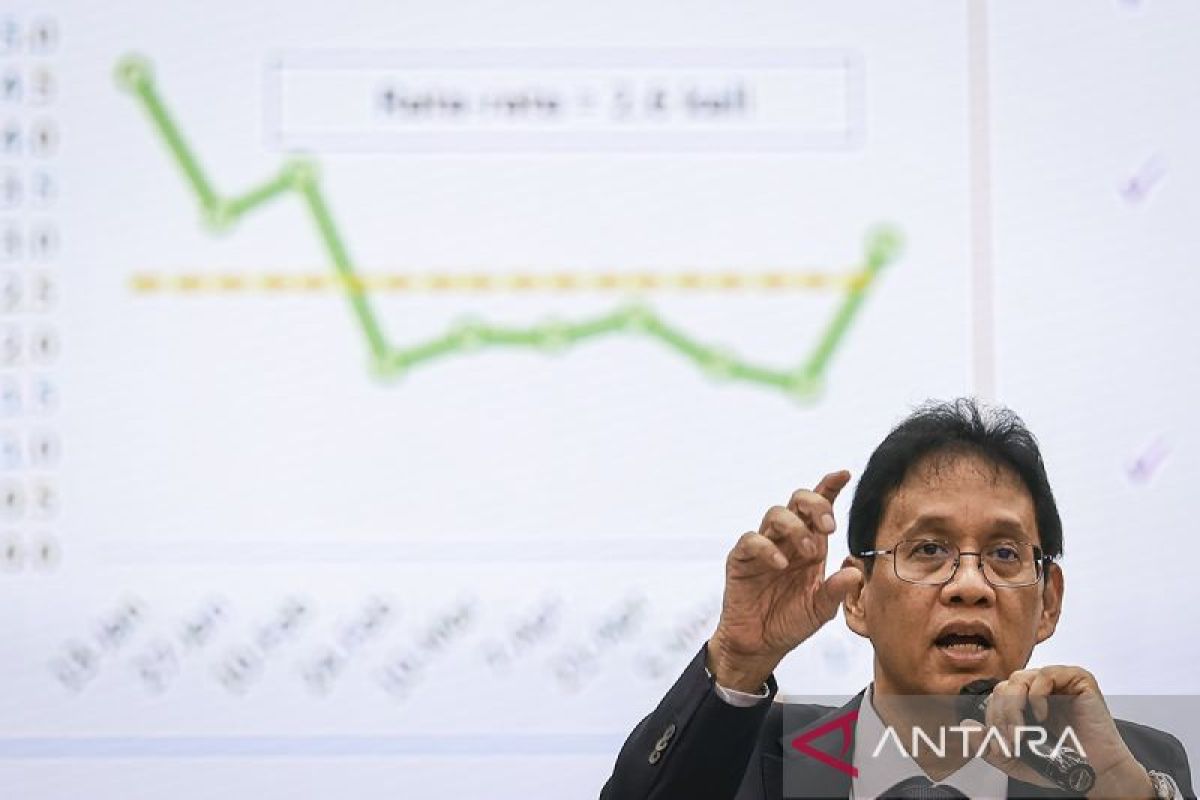
This is because the BI-Rate has risen to 5.75 percent, the rupiah exchange rate is still in the range of Rp17,700–Rp17,900 per US dollar, and global interest rates remain relatively high. This situation makes investors tend to be more cautious in placing funds in emerging markets, including Indonesia. If risk perception increases, government financing costs could potentially rise as well.
Under these conditions, fiscal discipline is cited as one of the important factors for maintaining investor confidence. The APBN deficit target of 2.68 percent of GDP is still considered a positive asset because it is below the maximum limit of 3 percent. “As long as it is followed by consistency in fiscal policy and structural reforms,” he added.
To meet financing needs, Rizal continued, the government cannot rely solely on issuing new debt. Strengthening market confidence needs to be carried out through fiscal discipline, deepening the domestic financial market, and increasing the effectiveness of state spending. This step is important because the debt interest burden in the 2026 APBN is estimated to reach around Rp600 trillion. With a large interest burden, an increase in government bond yields could narrow the government’s fiscal space to finance priority programmes.