
2026 Heroes’ Day Ceremony Rules: Schedule, Order of Proceedings, Address and Prayers
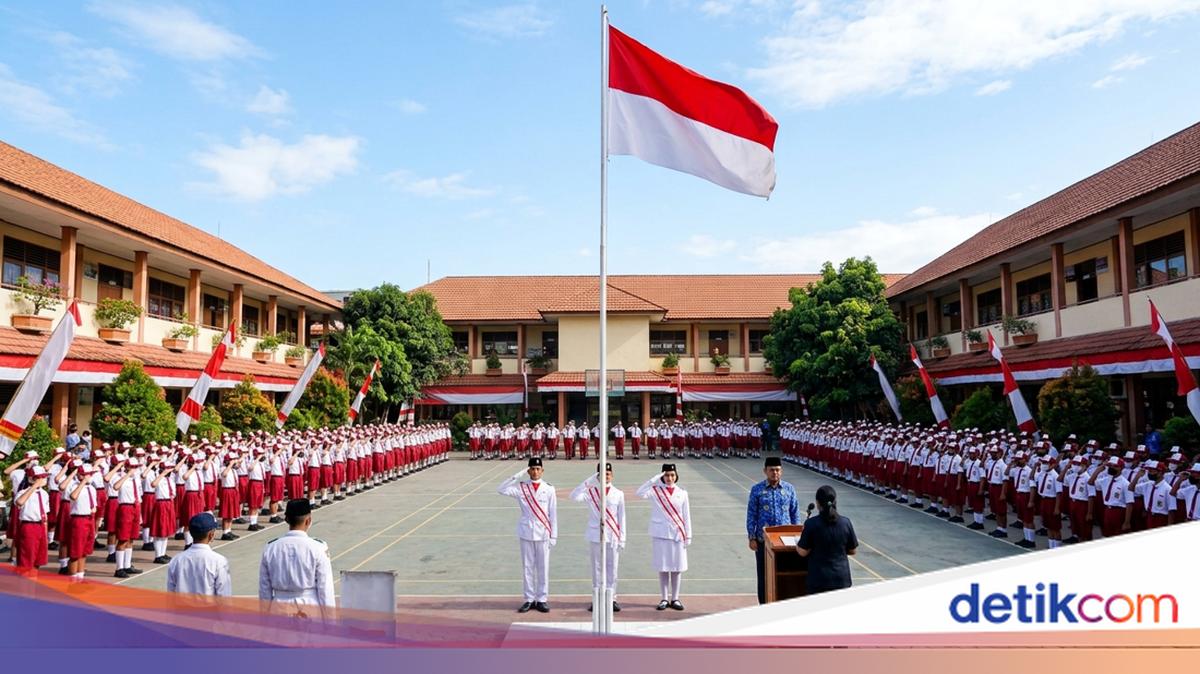
The main ‘required’ event for Heroes’ Day on 10 November 2026 is a ceremony. Ahead of the historic day, readers should familiarise themselves with the rules, including the schedule, order of proceedings and official address.
All the information is set out in the Ministry of Social Affairs’ 2026 Heroes’ Day Organising Guidelines, Number S-1090/MS/PB.06.00/11/2026. The guidelines were signed by Social Affairs Minister Saifullah Yusuf on 5 November 2026.
Here are the full rules for the 2026 Heroes’ Day ceremony issued by the ministry.
2026 Heroes’ Day ceremony schedule
Day and date: Tuesday, 10 November 2026
Time: From 08.00 local time
Venue: As appropriate
Nature: Solemn, orderly and simple
Theme: ‘My Hero, My Example: Moving Together, Continuing the Struggle’
Order of proceedings
The official order of proceedings for the 2026 Heroes’ Day ceremony is as follows:
General salute to the ceremony leader, led by the ceremony commander
The commander reports to the ceremony leader
The Red and White flag is raised as all participants sing Indonesia Raya
A moment of silence, led by the ceremony leader
Recitation of Pancasila
Reading of the Preamble to the 1945 Constitution
Reading of messages from the heroes
Address by the ceremony leader
Prayer
The commander reports to the ceremony leader
Salute to the ceremony leader, led by the ceremony commander
Ceremony ends
If the ceremony has to be held indoors, the flag-raising is replaced by the Red and White flag already displayed. The other main proceedings should be adjusted as necessary.
2026 Heroes’ Day address
Peace and well-being be upon us all,
Om Swastiastu,
Namo Buddhaya,
Salam Kebajikan.
Distinguished guests,
Today we commemorate Heroes’ Day, an occasion to remember the struggle of our nation’s predecessors and reaffirm our responsibility to fulfil the promise of independence.
10 November reminds us of the courage of the Indonesian people in defending independence. That struggle was born of the conviction that Indonesia is a homeland we must protect together, through sacrifice without regard for personal interests.
That spirit is the foundation of the 2026 Heroes’ Day theme: ‘My Hero, My Example: Moving Together, Continuing the Struggle.’
The theme invites us to see heroism not only as part of the past, but as a value that must continue to be brought to life in the nation’s affairs.
My hero, my example.
The heroes left us an example of courage, dedication, unity and a willingness to put the nation’s interests first.
These values remain vital today. The challenges we face have changed, as have the forms of service the nation needs. Today, the struggle takes shape through conscientious work, sustainable development, education, public service and efforts to create a better and more dignified life for all people.
The determination to give our best to the nation must be part of our daily lives, wherever we are and whatever our profession.
Distinguished guests,
The founders of the nation also bequeathed the 1945 Constitution of the Republic of Indonesia. Our constitution is tangible proof that they considered the future of all Indonesians, beyond their own interests and those of their generation. Articles 31, 33 and 34 can be understood as the heart of the constitution’s commitment to public welfare.
Article 31 guarantees every citizen’s right to education. Every child of the nation should have the opportunity to attend school, receive a good education and develop their potential.
Article 33 mandates that the nation’s natural wealth be used to the greatest possible benefit of the people. Its management must benefit the whole community, including by supporting education and improving welfare.
Article 34 states that the state shall care for the poor and neglected children. The President of the Republic of Indonesia, Prabowo Subianto, has instructed us to work quickly to fulfil this mandate through care, protection, social security and social rehabilitation for people in need, especially those who have not yet fully benefited from development.
These three articles are a noble legacy that must continue to guide and inspire us, and provide a foundation for public welfare. Implementing them is part of the spirit of continuing the heroes’ struggle.
This spirit is in line with the national development direction pursued by the Government through the President of the Republic of Indonesia Prabowo Subianto’s Asta Cita priorities.
National development is aimed not only at driving economic growth, but also at developing capable Indonesians, strengthening human resources, reducing poverty, widening opportunities and delivering welfare that reaches every section of society.
Human development is essential because a nation’s progress is ultimately determined by the quality of its people.
Education plays a highly strategic role in this process. It gives people the opportunity to develop their potential, become self-reliant, improve their quality of life and prepare a generation able to take part in national development.
For this reason, various government programmes are directed at widening access to education, improving teaching quality, strengthening character and offering better opportunities to Indonesian children, particularly those from families in need.
Sekolah Rakyat is one part of this effort, alongside other government education programmes currently under way to ensure more children have the chance to learn and develop.
Building people through education is, in essence, a long-term investment in Indonesia’s future. It is how we prepare a generation with not only knowledge and skills, but also character, compassion and a spirit of service.
Distinguished guests,
The theme ‘Moving Together’ reminds us that building a nation requires collective effort.
No development can endure if it is undertaken by only one party. The Government is responsible for providing sound policies and services, while the public has an important role in safeguarding, supporting and sustaining development initiatives.
Businesses, social institutions, community organisations, religious and community leaders, academics, young people and every element of the nation all have a part to play.
This is where social solidarity becomes a vital source of strength.
Social solidarity teaches us not to leave others to face hardship alone. It grows from concern and is expressed through practical action: helping those in need, sharing our abilities, creating opportunities, supporting those who are vulnerable and being present when communities face problems.
We need not wait until we have something substantial to give before helping others. Our time, energy, thoughts, knowledge and attention—even simple acts of concern—can make a difference.
Distinguished guests,
We must also understand that every struggle has its own costs.
No struggle is truly easy. It requires energy, thought and time, and often material sacrifice as well.
The heroes demonstrated this through sacrifices far beyond what we can imagine. They gave what they had for something they believed was greater than their own interests: Indonesia.
Therefore, when we encounter difficulties in carrying out our duties and service, we must not let them extinguish our determination.
Struggle always requires sacrifice. We often have to give our energy, thoughts, time and even material resources to achieve something greater. The heroes showed that sacrifice is meaningful when made for the nation and for others.
That is the spirit we must preserve today. Not everyone has to do the same thing. Each person can contribute according to their abilities and responsibilities, through their work, service, achievements or care for their community and fellow citizens.
On this 2026 Heroes’ Day, I call on everyone to continue following the example of the heroes by working conscientiously, helping one another and not giving up easily when faced with difficulties. Heroism grows from a willingness to be of service and contribute to the common good.
The heroes completed the struggle of their time. We now continue it by developing our people, strengthening unity, improving welfare and nurturing social solidarity.
Let us preserve that spirit in our daily lives. The struggle for a better Indonesia is our shared responsibility.
My hero, my example.
Moving together.
Continuing the struggle.
With this spirit, let us continue to work, create and contribute to building an Indonesia that is advanced, just and prosperous, and offers every citizen the opportunity to thrive.
Happy 2026 Heroes’ Day.
My Hero, My Example: Moving Together, Continuing the Struggle.
Wassalamu’alaikum warahmatullahi wabarakatuh.
Peace and well-being be upon us all.
Om Shanti Shanti Shanti Om.
Namo Buddhaya.
Salam Kebajikan.
2026 Heroes’ Day prayers
The Ministry of Social Affairs has issued six official prayers for the 2026 Heroes’ Day ceremony, for Islam, Protestantism, Catholicism, Hinduism, Buddhism and Confucianism.
These are the ceremony rules for the 2026 Heroes’ Day commemoration issued by the Ministry of Social Affairs.
Source: jawawa.id (https://jawawa.id/newsitem/2026-heroes-day-ceremony-rules-schedule-order-of-proceedings-address-and-prayers-1794019835)
Originally published by detikJogja (https://www.detik.com/jogja/berita/d-8741324/tata-tertib-upacara-hari-pahlawan-2026-jadwal-susunan-acara-amanat-doa), translated from Indonesian