
2026 Forest Fires: Saving Wildlife, Protecting Their Homes
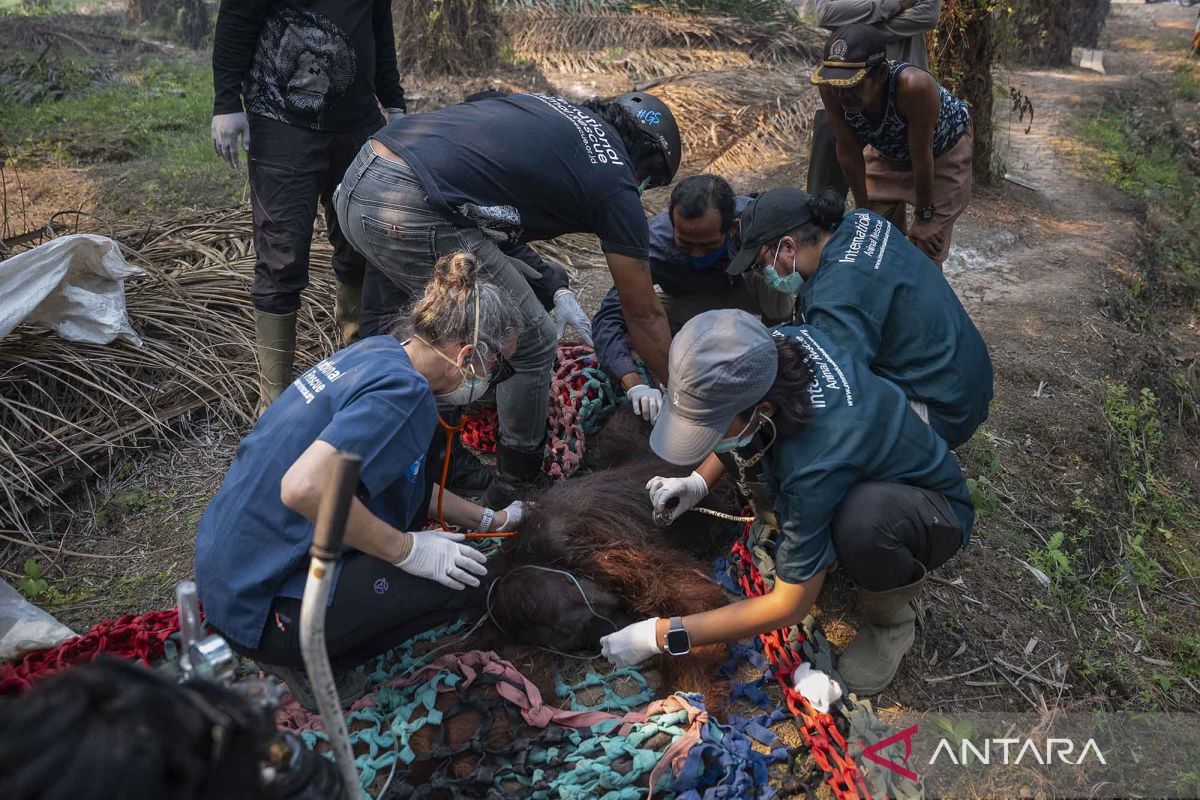
Jakarta (ANTARA) - Forest and land fires (karhutla) in Ketapang, West Kalimantan, in August 2026, have not only threatened vegetation cover but also forced wildlife out of their natural habitats.
An orangutan mother named Mama Yuni, along with her two offspring, Yuni and Pura, were evacuated on 21 August after fires threatened their habitat and severed their movement corridors. The trio has been monitored within the community plantation area of Tanjungpura Village since the beginning of 2026.
Several days later, an adult male orangutan named Sampurna was found in a weakened state in a plantation in Laman Satong Village. He is suspected of suffering from respiratory issues after being exposed to thick smoke from the forest fires for several days.
These two incidents demonstrate that the impact of forest fires continues long after the vegetation has burned. Habitat destruction can drive wildlife into plantations or residential areas in search of food and shelter, ultimately increasing the potential for encounters and conflicts between humans and animals.
Silverius Oscar Unggul, Chairman of the Indonesia Nature Rehabilitation Initiative Foundation (YIARI), stated that recurring fires exacerbate the destruction of orangutan habitats and drive animals into local plantations.
The Ketaprag case shows that managing forest fires cannot merely be reactive. The key is to translate early detection information into priority action, especially when threats emerge in areas of high ecological value.
Habitat outside protected areas
The Bornean orangutan (Pongo pygmaeus) is classified as Critically Endangered by the International Union for Conservation of Nature (IUCN). This species faces immense pressure due to habitat loss and fragmentation.
In Habau Village, Tabalong Regency, South Kalimantan, the landscape of habitat potentially serving as orangutan territory spans approximately 3,000 hectares. This area is located within Other Use Areas (APL), outside of formal conservation zones. The periodic discovery of nests indicates that the area is still being utilised by orangutans.
Local governments and the South Kalimantan Natural Resources Conservation Agency (BKSDA) are working to protect this landscape through proposals for preservation areas.
The example in South Kalimantan demonstrates that biodiversity protection cannot rely solely on national parks or conservation areas. Habitats outside these zones must also be maintained, as they serve as vital living spaces and essential components of ecosystem connectivity.
While evacuation remains necessary when wildlife faces direct threats, relocation does not restore the destroyed habitat.
The IUCN Species Survival Commission guidelines on orangutan conservation prioritise in-situ protection (within their original habitat). Translocation may be performed under specific conditions, but it is not a substitute for long-term habitat protection.
Therefore, the rescue of individual animals must go hand-in-hand with preventing habitat destruction. Fires that are extinguished early can reduce the likelihood of wildlife losing their homes and encroaching upon human settlements.