
2026 Economic Census to Help Creative Economy Players Become More Adaptive
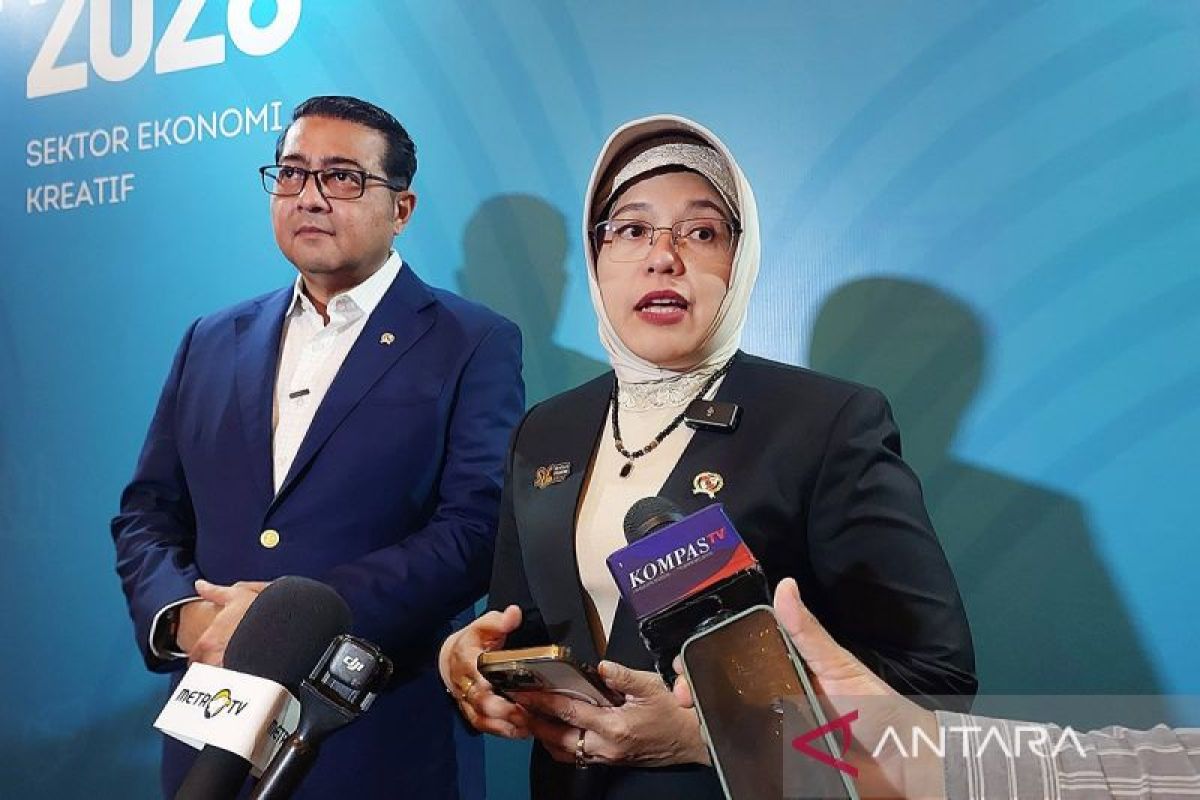
Jakarta (ANTARA) - The Head of the Central Bureau of Statistics (BPS), Amalia Adininggar Widyasanti, stated that the implementation of the 2026 Economic Census for the Creative Economy (Ekraf) sector will enable policymakers to assist business owners in developing more adaptive business strategies in response to market dynamics.
“The 2026 Economic Census certainly offers benefits for business owners; through this census, we can observe the position and potential of their businesses and understand market dynamics. Subsequently, business owners can utilise the results of this economic census to formulate business strategies that are more adaptive and based on statistical data,” Amelia said during a press conference for the 2026 Creative Economy Economic Census in Jakarta on Monday.
She noted that the economic census serves as a record of economic activities conducted by people across Indonesia, including creativity-based economic activities, intended to encourage the growth of creative economy players and ensure they receive precisely targeted policies.
When businesses are recorded with accurate statistical data, the business potential of creative economy actors from all corners of Indonesia will become visible, creating opportunities to expand market networks and promote their products.
She expressed hope that the data collection for the 2026 economic census would be conducted honestly by all Indonesian residents without exception. With accurate data, policies will be more precisely directed.
“This is a golden opportunity for all of us to gain a complete overview of the creative economy sector, ensuring that no one is left unrecorded. Because if all creative economy actors are recorded in the economic census, it means they have a voice in the policies that will be implemented by the Minister of Creative Economy,” said Amelia.
The 2026 Economic Census will run from June to the end of August 2026, involving approximately 251,000 official census officers from BPS who will record all economic activities of the Indonesian people, including creative economic activities. The census will also maintain confidentiality in accordance with personal data protection laws and statistics laws.
The Minister of Creative Economy, Teuku Riefky Harsya, expressed his support for the 2026 economic census programme, which serves as an opportunity for associations and creative economy actors to clarify statistical data regarding the growth of the creative economy in Indonesia.
“If associations also assist, at least from their respective sub-sectors and members, this will also provide data on the challenges we must anticipate,” said Riefky.