
2026 Economic Census Data to Strengthen Indonesia's MSMEs
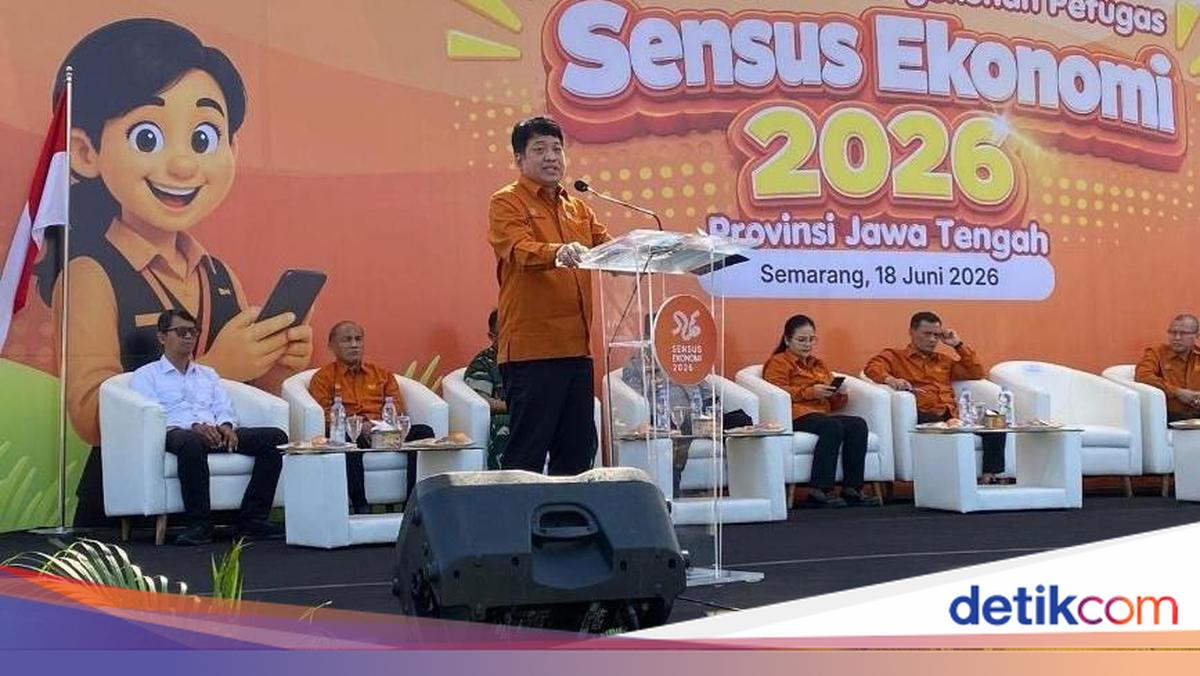
The Indonesian Central Statistics Agency (BPS) is preparing to conduct the 2026 Economic Census (SE2026). This major initiative aims to collect data on all business activities across Indonesia to obtain a complete picture of the condition and development of the national business world.
The data generated from this census will serve as a vital foundation for government policy, specifically in designing various economic development programmes and policies that are more precisely targeted.
“For Micro, Small, and Medium Enterprise (MSME) players, the benefits of SE2026 can be felt through various business empowerment programmes. Complete and up-to-date data helps the government recognise the characteristics, needs, and challenges faced by business actors in every region,” BPS wrote in an official statement on Tuesday (23/06/2026).
The results of SE2026 are also designed to support efforts to expand access to financing for business owners. Through valid census data, the government can map which business potentials need to be encouraged to grow more rapidly.
This up-to-date information will later serve as the primary basis for designing business financing and mentoring programmes. Consequently, more local entrepreneurs will have golden opportunities to scale up their business operations.
Beyond capital matters, SE2026 data will assist the government in organising training programmes that are more synchronised with actual field requirements. Aspects such as skill enhancement, business governance, technology utilisation, and product development strategies can be mapped more structurally.
Targeted training is certain to help business actors increase productivity as well as market competitiveness. Another benefit of SE2026 is the availability of a comprehensive information base regarding the map of economic activities across various regions.
Through this data, the government can analyse patterns of goods and services distribution, while simultaneously identifying regions with high economic potential. This information is crucial for supporting smooth logistics flows and ensuring equitable development between regions.
Equally important, SE2026 data will serve as a valuable reference for education, research, and macro-level planning. Academics, researchers, business actors, and local governments can utilise it to understand market dynamics and devise effective programmes.
BPS emphasised that SE2026 is not merely a routine data collection agenda on paper. Every piece of information provided by the public and business actors will become a primary instrument in determining the direction of Indonesia’s economic policy in the future.
“Every piece of information provided by the community and business actors will become part of the foundation for economic development decision-making in Indonesia. Accurate data helps the government identify growing business sectors, sectors requiring support, and future economic opportunities,” BPS concluded.