
2026 Dry Season: Bali BPBD Records Hundreds of Drought and Fire Incidents
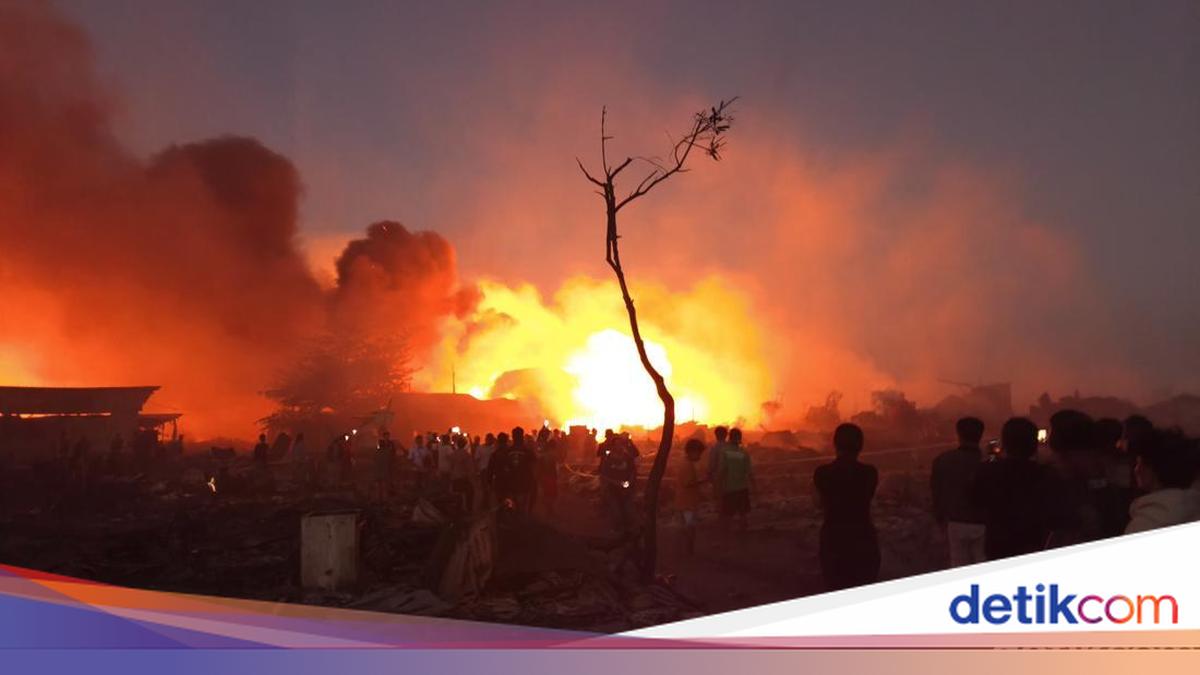
The Bali Regional Disaster Management Agency (BPBD) has recorded hundreds of incidents resulting from the dry season between April and early September 2026. These incidents include land and paddy field droughts, as well as forest fires, building fires, residential fires, and waste management site fires.
The Head of Bali BPBD, I Gede Agung Teja Bhusania Yadnya, stated that the conditions of the 2026 dry season require collective attention. “From a disaster perspective, these conditions increase the potential for droughts, forest and land fires, as well as fires in residential areas and waste management sites,” Teja said on Wednesday (2/9/2026).
Teja detailed that drought incidents were recorded in four regencies: Buleleng, Jembrana, Karangasem, and Klungkung. A total of 529 families and 15 villages/sub-districts have been affected by drought. Drought in agricultural land was recorded across 79.95 hectares in Jembrana and 108.60 hectares in Buleleng. Furthermore, out of a total paddy field area of 64,704 hectares, 694.06 hectares are at risk of experiencing drought.
Other incidents, such as forest and land fires, also occurred in several regions, including Klungkung, Karangasem, Buleleng, Jembrana, and Bangli. Additionally, 132 incidents of building and residential fires hit various regencies and cities across Bali. The breakdown includes 31 incidents in Denpasar, 15 in Badung, five in Tabanan, 10 in Jembrana, 33 in Buleleng, seven in Gianyar, nine in Bangli, eight in Klungkung, and 14 in Karangasem.
Fires at waste management sites also occurred in several areas, such as the TPS3R Culik in Labansari Village, Karangasem; the TPS3R Banjar Dinas Antapura in Tejakula Village, Buleleng; and the Suwung landfill in Denpasar.
Teja noted that these drought-related impacts occurred during the period from April to early September 2026. He also mentioned that the 2026 dry season is characterised by being longer and drier. Various comprehensive efforts have been undertaken, including the distribution of clean water to affected areas. However, according to Teja, management cannot rely solely on water distribution.
“Moving forward, the strengthening of preparedness needs to be directed towards the availability and protection of water sources, increasing the capacity of water storage and distribution infrastructure, strengthening monitoring systems, and cross-sector coordination in areas with potential impacts,” he explained.
Furthermore, he added that the potential for drought and fire needs to be managed early through an approach increasingly based on mitigation, risk reduction, and resilience. “So that, handling is not only carried out after the impact is felt by the community,” he concluded.
Source: jawawa.id (https://jawawa.id/newsitem/2026-dry-season-bali-bpbd-records-hundreds-of-drought-and-fire-incidents-1788342954)
Originally published by detikBali (https://www.detik.com/bali/berita/d-8645263/kemarau-2026-bpbd-catat-ratusan-kasus-kekeringan-dan-kebakaran-di-bali), translated from Indonesian