
2026 Camera Showdown: iPhone 17 Pro Max vs Android Flagships – Who Reigns Supreme in Cinematic Photography?
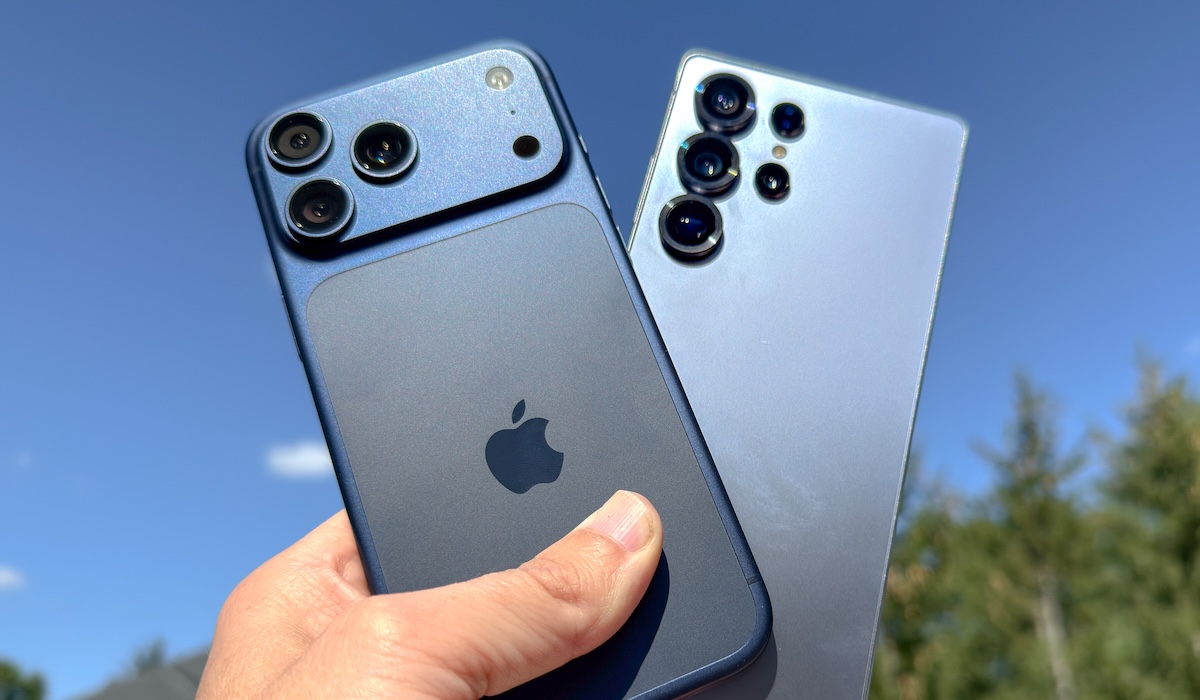
Entering mid-2026, the debate over which smartphone holds the title of best camera continues to intensify. On one side, Apple’s iPhone 17 Pro Max maintains its dominance as the industry’s gold standard for creative professionals. Android flagships such as the Samsung Galaxy S26 Ultra, Xiaomi 17 Ultra, and vivo X300 Ultra boast ‘monster’ specifications that technically surpass Apple’s paper metrics. Apple is not playing the megapixel war. Their focus on the iPhone 17 Pro Max is refining professional workflows. With a triple 48MP camera system (main, ultrawide, and 100mm telephoto), Apple offers something Android struggles to replicate: consistent colour and exposure across lenses. For mobile cinematographers, Apple Log 2 and Genlock support are key differentiators. The ability to record 4K Dolby Vision at up to 120fps on the main camera delivers exceptionally smooth slow-motion flexibility. Paired with four ‘studio-quality’ microphones, the iPhone remains a complete package for content creators seeking instant yet high-quality results. While iPhone excels in software and video ecosystems, Android reigns in hardware exploration. 2026 has seen 1-inch sensors and high-resolution periscope lenses become the new standard. Technically, Android surpasses iPhone in raw hardware. Samsung’s 200MP sensor or Xiaomi’s 1-inch sensor deliver detail and low-light performance in still photography that iPhone struggles to match. For landscape, street photography, or lunar shots, Android is the clear winner. However, for cinematic standards—requiring stability, smooth focus transitions, accurate skin tones, and ease of editing on third-party apps like Instagram or TikTok—the iPhone 17 Pro Max retains its edge. Apple’s hardware-software integration ensures what you see in the viewfinder is exactly what you get in the final output. The 2026 hardware showdown reveals there is no absolute winner—only the right tool for different needs. Ultimately, 2026’s sensor technology has reached a point where the line between professional cameras and smartphones is increasingly blurred. Investment in these devices is justified by unprecedented visual quality.