
20 Petrol Stations in Flores Still Not Operating After Earthquake, Pertamina Restores Gradually
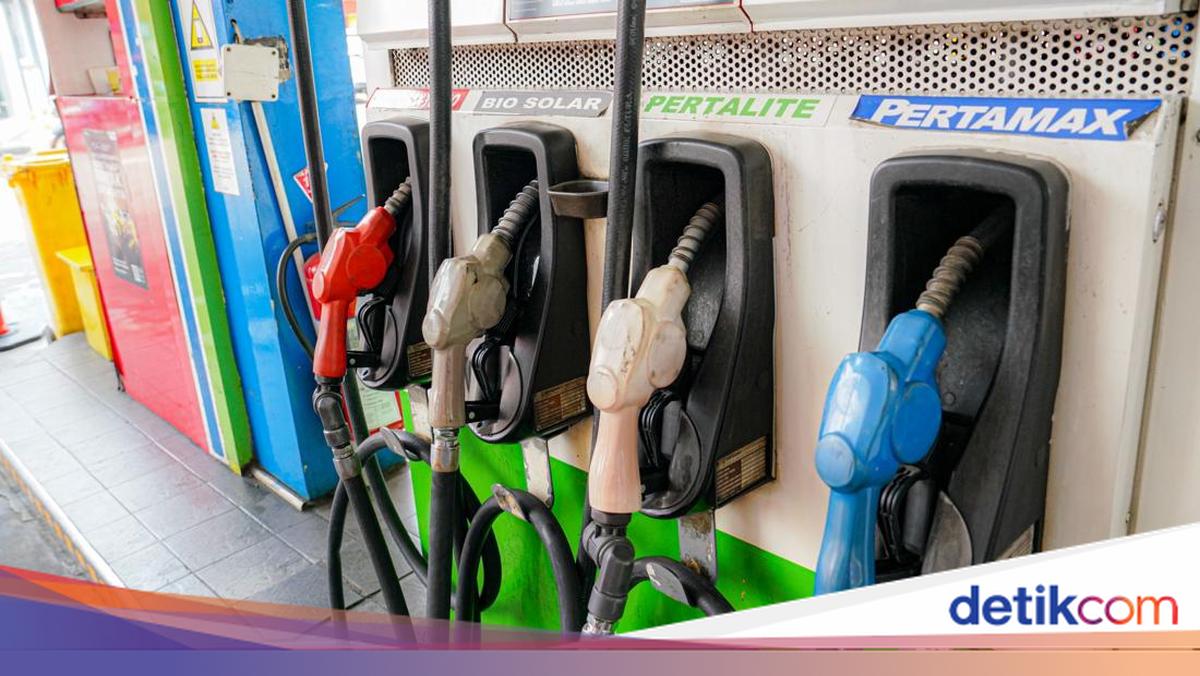
As many as 20 petrol stations (SPBU) on Flores Island, East Nusa Tenggara (NTT), are still not operating after being affected by an earthquake. Pertamina Patra Niaga has assured that supplies of fuel oil (BBM) and LPG are being maintained during the recovery process.
“Based on the operational condition update as of 15 August 2026, of the total 52 petrol stations in the Flores region, 32 petrol stations are operating, and 20 petrol stations are still not operating because they were affected by the disaster,” said VP Corporate Communication of Pertamina Patra Niaga, Kitty Andhora, in a statement on Sunday (16/8/2026).
Kitty explained that the operational condition of petrol stations is dynamic and continues to be monitored according to developments in the field. Nevertheless, Pertamina has assured that fuel and LPG supplies in the Flores region are being maintained and restored gradually following the earthquake that occurred on Saturday (15/8/2026).
According to Kitty, some of the petrol stations that are not yet operating are experiencing problems due to power outages, damage to facilities and infrastructure, and environmental conditions still affected by the earthquake.
“Meanwhile, at several other petrol stations, the facilities and infrastructure are in safe condition, but operations cannot yet run because operators are still considering safety factors and anticipating the possibility of aftershocks,” Kitty explained.
Currently, Pertamina Patra Niaga continues to coordinate with local governments and relevant stakeholders to maintain smooth distribution. Fuel distribution is carried out using tanker trucks with extra security, especially on routes affected by landslides.
“The 20 petrol stations that are currently not operating will be restored gradually while prioritising safety aspects,” said Kitty.
On the other hand, Kitty said that fuel and LPG supplies remain maintained, and the restoration of petrol station operations is being carried out gradually according to conditions in the field. For the Manggarai area, there are two petrol stations that suffered damage to facilities in the filling area so they cannot yet operate.
Meanwhile, the public can use other petrol stations in the area such as SPBU 54.86.501 on Jalan Yos Sudarso, Mbaumuku Village, Langke Rembong District, Manggarai Regency.
Then, SPBU 54.86.503 on Jalan Ruteng-Benteng Jawa, Tenda Village, Langke Rembong District, Manggarai Regency and SPBU 54.86.509 on Jalan Raya Ruteng-Labuan Bajo, Wali Village, Langke Rembong District.
Furthermore, five LPG agents in the Flores region are still operating with facilities in safe condition. LPG stock at each agent continues to be monitored and adjusted to distribution and supply needs.
For kerosene, there are 12 agents affected by the disaster. Pertamina Patra Niaga continues to maximise kerosene operations and distribution by taking into account the condition of the Reo Fuel Terminal, which is still constrained, as well as road access conditions affected by landslides, including the Nagekeo-Ngada route to the Ende fuel terminal.
“We also ensure that the public continues to have access to energy needs through petrol stations that are still operating,” Kitty explained.
She revealed that road access conditions are one of the challenges in the distribution process. A number of road sections affected by landslides include Jalan Reo-Ruteng, the Trans Flores road on the Ende-Bajawa section, and Jalan Trans Marapokot. Landslide handling is still ongoing using heavy equipment and road conditions can change at any time according to developments in the field.
“We continue to monitor the condition of facilities and infrastructure and secure affected distribution routes. Coordination with local governments and stakeholders is also continuously carried out so that fuel and LPG distribution continues to run safely and optimally,” Kitty concluded.