
20 Countries with the Highest Rates of Atheism, Many in Asia
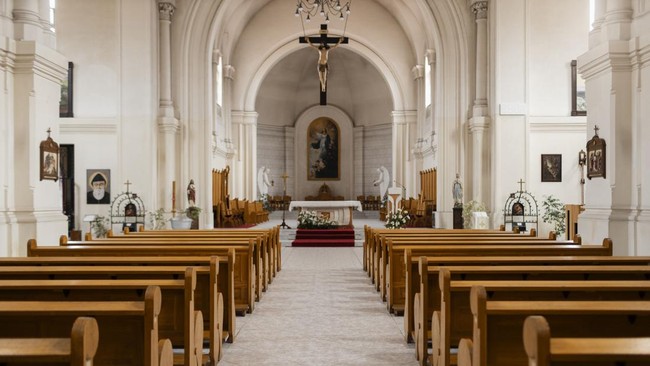
A 2025 Pew Research survey reports that approximately 24.2% of the world’s population does not affiliate with any religion, identifying as atheist. The data shows that the proportion of people describing themselves as religiously unaffiliated increased from around 23% to 24.2% of the global population between 2010 and 2020. The roots of atheistic thought can be traced back to at least the 6th century BC, but atheism as a broad intellectual movement and social identity truly flourished from the Age of Enlightenment in the 17th and 18th centuries. The rise of atheism is generally associated with increased education, developments in science and technology, and social changes that lead people to rely more on rational and empirical explanations rather than those based on religious faith. In many countries, secularisation—the separation of religion from public institutions—has also diminished religion’s role as the centre of social life. In addition to the trend of secularism, various scandals within places of worship are also considered a driving factor behind the increasing number of people leaving religion. Currently, levels of atheism vary significantly between countries. Nations such as Sweden, the Czech Republic, and Japan have a relatively high proportion of residents with no religious affiliation. According to Pew Research Center’s Religious Composition by Country data published in 2022, the 20 countries with the highest percentage of atheists are: 1. Czech Republic (78.4%), 2. North Korea (71.3%), 3. Estonia (60.2%), 4. Japan (60%), 5. Hong Kong (54.7%), 6. China (51.8%), 7. South Korea (46.6%), 8. Latvia (45.3%), 9. Netherlands (44.3%), 10. Uruguay (41.5%), 11. New Zealand (39.6%), 12. Mongolia (36.5%), 13. France (31.9%), 14. United Kingdom and Northern Ireland (31.2%), 15. Belgium (31%), 16. Vietnam (29.9%), 17. Sweden (29%), 18. Australia (28.6%), 19. Belarus (28.6%), and 20. Luxembourg (26.7%).