
20,000 Women MSME Owners Have Participated in DBS Foundation and MCI Programme
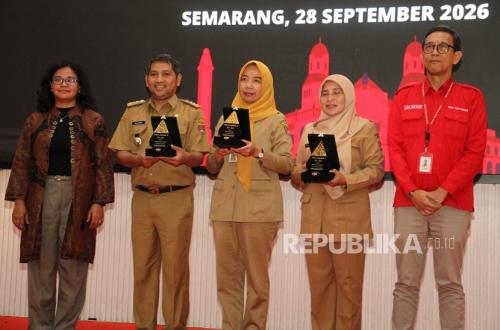
More than 20,000 women owners and managers of micro and small enterprises have participated in the ‘Financial Inclusion for Women Entrepreneurs’ programme, powered by DBS Foundation and implemented alongside the Mercy Corps Indonesia (MCI) Foundation. The programme targets 40,000 micro and small businesswomen in Semarang, Surabaya, and Medan by 30 September 2027.
Nazla Mariza, SPV of Marketing & Communications at PT Bank DBS Indonesia, stated that the programme is designed as a long-term, two-year initiative that provides not only training but also mentoring to ensure participants can apply the knowledge gained to their daily business operations.
According to Nazla, the initial phase of the programme covers financial literacy, including an understanding of access to legal financial products and services supervised by the OJK (Financial Services Authority). Participants also receive training on digital literacy and marketing through digital channels.
“Our target is that the impact of this two-year programme is that these women MSME entrepreneurs achieve better financial health. This means they can manage their finances and businesses more effectively, leading to business growth,” she said. This growth is measured by business development, such as increased workforce, business expansion, or higher sales following integration into the digital ecosystem.
Specifically in Central Java, Nazla noted that the programme has mentored approximately 7,000 women MSME entrepreneurs over the past year. This number is expected to increase by an additional 7,000 to 8,000 participants in the following year through collaboration with partners and the Semarang City Government.
Meanwhile, the Executive Director of MCI, Ade Soekadis, stated that an evaluation of the first year’s implementation is being conducted to strengthen the impact in the coming year. He noted that the challenge for entrepreneurs is no longer just acquiring knowledge, but applying it to ensure products reach markets both digitally and non-digitally. He also highlighted the importance of financial record-keeping as a key factor in accessing capital.
“The majority of these entrepreneurs run micro-businesses. Through this programme, we want to ensure that vulnerable and marginalised groups can still access opportunities to grow. Women are a group we are particularly focused on; we want to ensure they can participate and not be left behind,” he added.
The programme was discussed during the ‘Cakap Teknologi ke Pasar Digital’ Learning Event held by DBS Foundation and MCI at the Semarang City Hall. The event was attended by approximately 800 participants, including 600 women entrepreneurs, local government representatives, financial institutions, community organisations, academics, and the media.
The Learning Event in Semarang focused on two main themes: strengthening digital literacy as a strategy for urban women entrepreneurs, and the use of digital marketing channels alongside business financial management. The event also featured an MSME Bazaar showcasing 35 programme participant booths, business testimonials, and interactive business challenges.
The ‘Financial Inclusion for Women Entrepreneurs’ programme has been running since October 2025. In addition to digital and financial literacy, the training covers understanding financial products, financial management, and digital marketing.
Lessons learned from learning events in Medan, Semarang, Surabaya, and Jakarta will be compiled into a learning document containing strategic recommendations to support women entrepreneurs in urban areas. This document will subsequently be submitted to the Ministry of MSMEs of the Republic of Indonesia.
Mona Monika, Head of Group Marketing & Communications at PT Bank DBS Indonesia, stated that women’s empowerment and financial inclusion are core focuses of the DBS Foundation’s social programmes. “We hope that more women MSME entrepreneurs will have access to the knowledge, services, and financial products that can help them increase business resilience, meet basic family needs, and unlock broader economic opportunities,” she concluded.