
2 October is National Batik Day: Its History and Significance
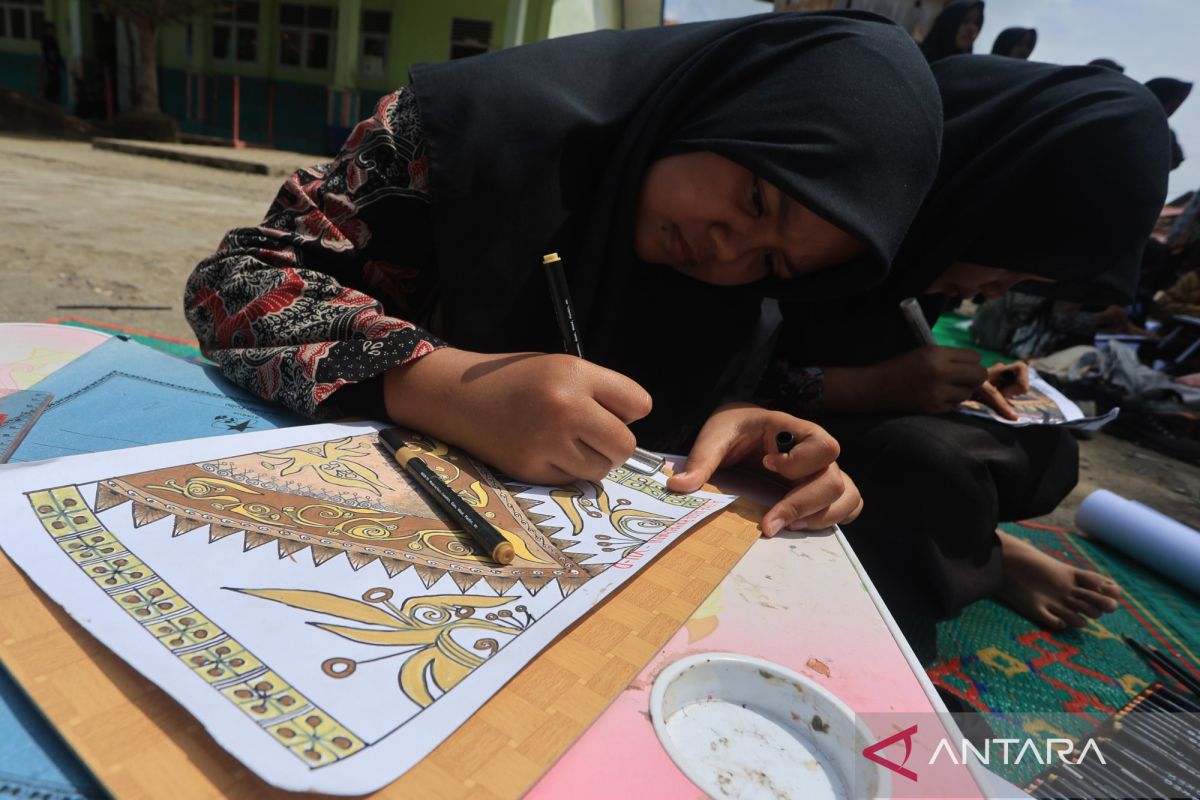
Every 2 October, the Indonesian people commemorate National Batik Day. This commemoration serves as a momentum to rediscover batik as part of cultural heritage while understanding the values contained within its various motifs and production techniques.
The designation of 2 October as National Batik Day is inseparable from UNESCO’s recognition of Indonesian batik. On 2 October 2009, UNESCO included Indonesian Batik in the Representative List of the Intangible Cultural Heritage of Humanity.
Shortly after this recognition, the Indonesian government established 2 October as National Batik Day through Presidential Decree Number 33 of 2009. The decision, finalised on 17 November 2009, also clarified that National Batik Day is not a public holiday.
History of National Batik Day
International recognition of Indonesian batik was a crucial part of the history behind the establishment of National Batik Day. The submission of Indonesian batik to UNESCO was conducted in 2008. This process continued until UNESCO formalised Indonesian batik as intangible cultural heritage during the session of the Intergovernmental Committee for the Safeguarding of the Intangability Cultural Heritage in Abu Dhabi on 2 October 2009.
This recognition encompasses not only the batik cloth as a finished product, but also the techniques, symbolism, and culture associated with Indonesian batik. UNESCO noted that the batik tradition is closely linked to the lives of the Indonesian people and is passed down from generation to generation.
Following the UNESCO recognition, the government established 2 October as National Batik Day via Presidential Decree No. 33 of 2009. The aim of this designation is to increase public awareness to protect and develop Indonesian batik, as well as to foster pride in the national culture.
Batik holds a broader meaning than mere clothing or patterned fabric. Its production process contains knowledge and skills passed down through generations. In the traditional process, artisans use wax to create dots and lines on the cloth. The parts coated in wax are then protected from dye, resulting in specific patterns. The dyeing process can be repeated multiple times to produce motifs with various colours.
Batik motifs also possess a diversity that reflects cultural influences from various periods and regions. UNESCO noted the presence of influences such as Arabic calligraphy, European floral arrangements, the Chinese phoenix, Japanese cherry blossoms, and peacock motifs from India or Persia in the development of Indonesian batik.
This diversity demonstrates that batik has evolved through cultural interaction while remaining a part of the Indonesian identity. Various regions subsequently developed distinct batik patterns and characters according to their local history, environment, and culture.
Batik as a heritage that must be preserved
The preservation of batik is achieved not only by wearing batik cloth but also through the process of passing knowledge and skills to the next generation. UNESCO noted the existence of batik education and training programmes in Pekalongan, aimed at students from primary school to university levels. These programmes were developed to enhance the younger generation’s understanding of the history, cultural values, and traditional skills of batik.
Such efforts are vital because the existence of batik as cultural heritage depends on the community’s ability to maintain the techniques, knowledge, and cultural values that accompany it. Batik also continues to evolve to meet modern needs without abandoning its traditional roots.
The commemoration of National Batik Day every 2 October ultimately serves as a reminder that batik is more than just a motif on fabric. Behind every piece of batik lies technique, knowledge, symbolism, creativity, and a cultural journey passed down from generation to generation.