
2.3 Million Indonesian Children Unimmunised, Doctor Reveals the Risks
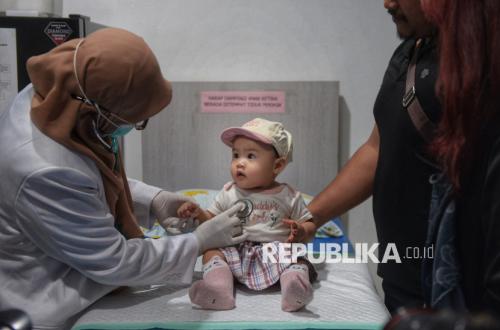
Based on 2025 data from the Ministry of Health, approximately 2.3 million children in Indonesia have not received immunisation. This figure places Indonesia among the countries with the highest number of zero-dose children in the world. This situation has the potential to increase the risk of various infectious diseases, even though these diseases can actually be prevented through immunisation. Paediatrician and lecturer at Muhammadiyah University of Yogyakarta, Dr. Bambang Edi Susyanto, stated that this data must not be considered a trivial matter and should be taken seriously. He explained that children who have not received basic immunisation could face negative impacts on their health and development. Indonesia is ranked sixth in the world for the number of zero-dose children. Dr. Bambang defined zero-dose children as those who, up to around one year of age, have not received immunisation appropriate for their age. He described this condition as worrying because it can affect children’s health and development. He emphasised that immunisation is the most effective health intervention, useful for preventing various dangerous infectious diseases. When a child does not receive protection, the risk of exposure to infectious diseases increases, which can lead to serious complications and even death. Many diseases can actually be prevented through immunisation, but when many children miss their immunisations, the risk becomes very great. He cited examples such as BCG immunisation, which aims to prevent severe tuberculosis, and DPT immunisation to prevent diphtheria, pertussis, and tetanus. These are not mild diseases as they can cause life-threatening complications.