
191 BMKG stations nationwide open for climate mitigation assistance to local governments
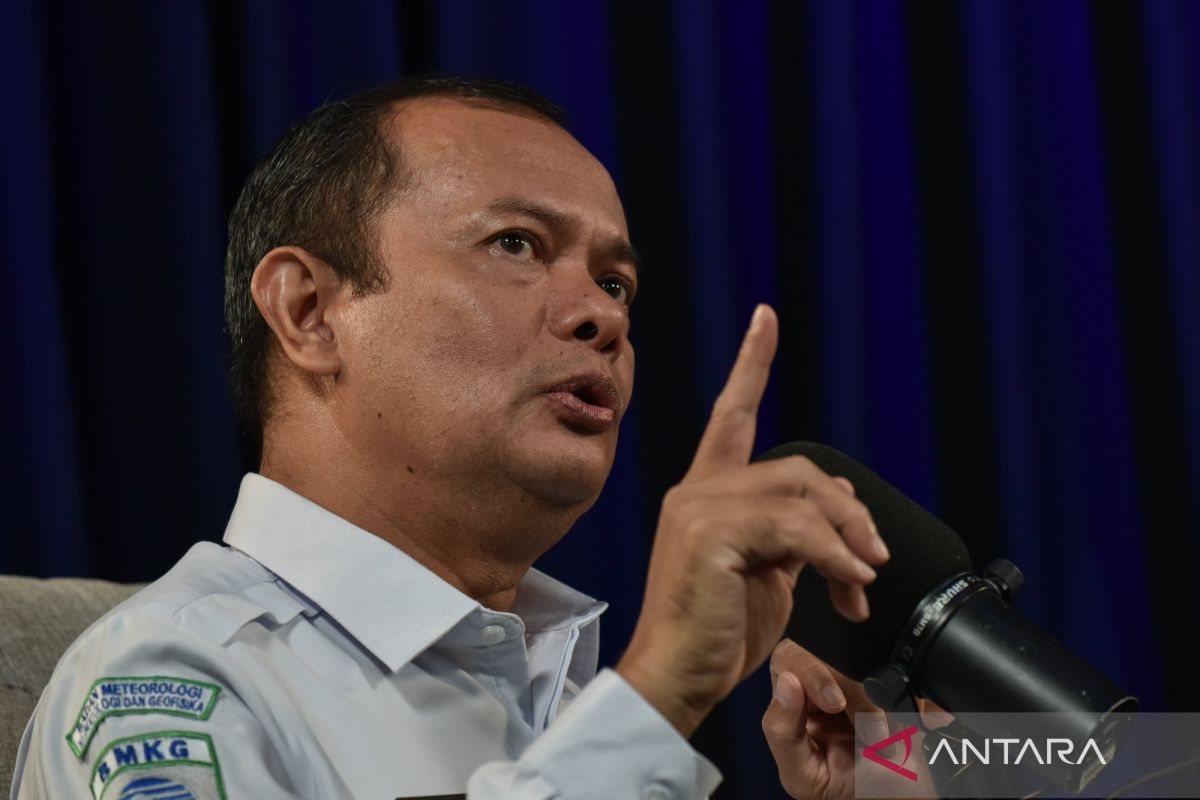
The Meteorology, Climatology, and Geophysics Agency (BMKG) has confirmed that its entire infrastructure, comprising 191 Technical Implementation Units (UPT) or meteorological and climatology stations in every province, is fully open to serve coordination and climate mitigation assistance for local governments.
BMKG Head Teuku Faisal Fathani stated during a press conference on the ‘Development of Indonesia’s 2026 Dry Season’ in Jakarta on Wednesday that the hundreds of stations are on standby to meet the highly specific weather data needs of each Regional Disaster Management Agency (BPBD), including joint farmer groups (Gapoktan).
Faisal explained that BMKG is now strongly committed to shifting the institution’s role from merely being a provider of climate prediction documents upstream to directly overseeing adaptation and mitigation programmes on the ground.
Through the hundreds of regional stations, BMKG is striving to provide maximum technical assistance to local government ranks, the Regional Leadership Coordination Forum (Forkopimda), and disaster management agencies so they are prepared to face drought in detail.
This intensive assistance from BMKG’s regional stations is considered crucial for helping the real sector of society, particularly farmers, to formulate tactical steps in response to the delay in the first planting season schedule due to the long dry spell.
Meanwhile, BMKG Deputy for Climatology Ardhasena Sopaheluwakan urged the agricultural sector to utilise local data assistance to switch to planting horticultural commodities that are adaptive to dry weather characteristics during the middle of this year.
‘In addition, technical irrigation can also be optimised for areas that have irrigation systems, and adjustments can be made towards agricultural commodities that are adaptive to these dry conditions,’ Ardhasena said, continuing the strategic direction from the agency head.