
19,251 Indonesians Forecast to Die as El Niño Drives Extreme Heat
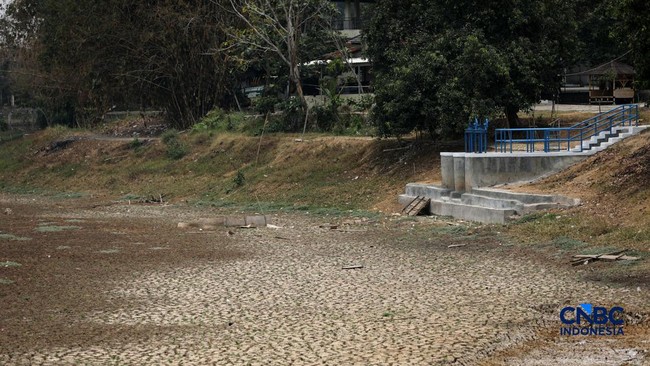
Jakarta, CNBC Indonesia — Extreme heat driven by a super El Niño is forecast to cause 450,000 deaths worldwide, including in Indonesia. Climate experts expect the phenomenon to run from September 2026 to February 2027.
The United Nations’ World Meteorological Organization (WMO) says El Niño will continue to strengthen before reaching its projected peak in December. The worrying conditions could radically alter weather patterns and have severe effects on economies, ecosystems and communities worldwide.
According to a report by Climate Impact Lab, extreme heat will affect regions across the world, particularly tropical countries including Nigeria, Indonesia, Sudan, India and Brazil. The threat also extends to the United States, Africa’s Sahel region and South-east Asia.
Indonesia among the three countries with the highest projected death tolls
The following are the 10 countries with the highest projected number of additional heat-related deaths linked to El Niño between September 2026 and February 2027:
Nigeria — 31,320
Indonesia — 19,251
Sudan — 17,430
India — 15,670
Brazil — 13,271
Democratic Republic of the Congo — 10,014
Niger — 9,900
Chad — 7,953
Philippines — 6,504
Vietnam — 5,566
These figures are estimates, not deaths that have already been recorded. Small differences appear in other publications summarising the report, including a projection of around 19,300 additional deaths in Indonesia.
El Niño reaches unprecedented levels of heat
El Niño is a natural climate phenomenon caused by changes in sea-surface temperatures in the Pacific Ocean. Global warming can, however, intensify its effects.
The mortality risk comes as the 2026 El Niño develops into one of the most severe events ever recorded.
On Monday, 21 September 2026, The Guardian reported that Pacific Ocean temperature increases associated with El Niño had surpassed previous records, several months before the phenomenon is expected to peak. Scientists described its intensity as astonishing, with some using the term “Godzilla” to convey its scale.
The WMO has previously warned that El Niño will strengthen over the coming months and could persist until February 2027. The phenomenon may alter global temperature and rainfall patterns, increasing the risks of heatwaves, drought, floods and wildfires.
Extreme heat threatens communities across society
Prof. Michael Greenstone, co-founder of the Climate Impact Lab at the University of Chicago and an author of the report, said the projections represent a tangible impact on human lives.
“The estimated figure of 451,000 lives is so large that it feels astonishing, but it includes older people and children, grandparents and neighbours, and people going to work, caring for their families and living their lives.”
Researchers estimate that heat-related deaths will not stop in February 2027. Higher mortality rates are expected to continue until June or July 2027, although the main projection period is limited by the availability of current temperature forecasts.
In addition to direct exposure to heat, El Niño can trigger drought, wildfires, agricultural disruption and flooding in various regions. These conditions could further increase communities’ vulnerability, particularly in areas with limited resources to adapt.
Source: jawawa.id (https://jawawa.id/newsitem/19-251-indonesians-forecast-to-die-as-el-nino-drives-extreme-heat-1792461034)
Originally published by CNBC Indonesia (https://www.cnbcindonesia.com/lifestyle/20261019105112-33-777393/19251-warga-ri-diprediksi-meninggal-karena-suhu-panas-el-nino), translated from Indonesian