
16 Killed in Tibet Earthquake: What We Know So Far
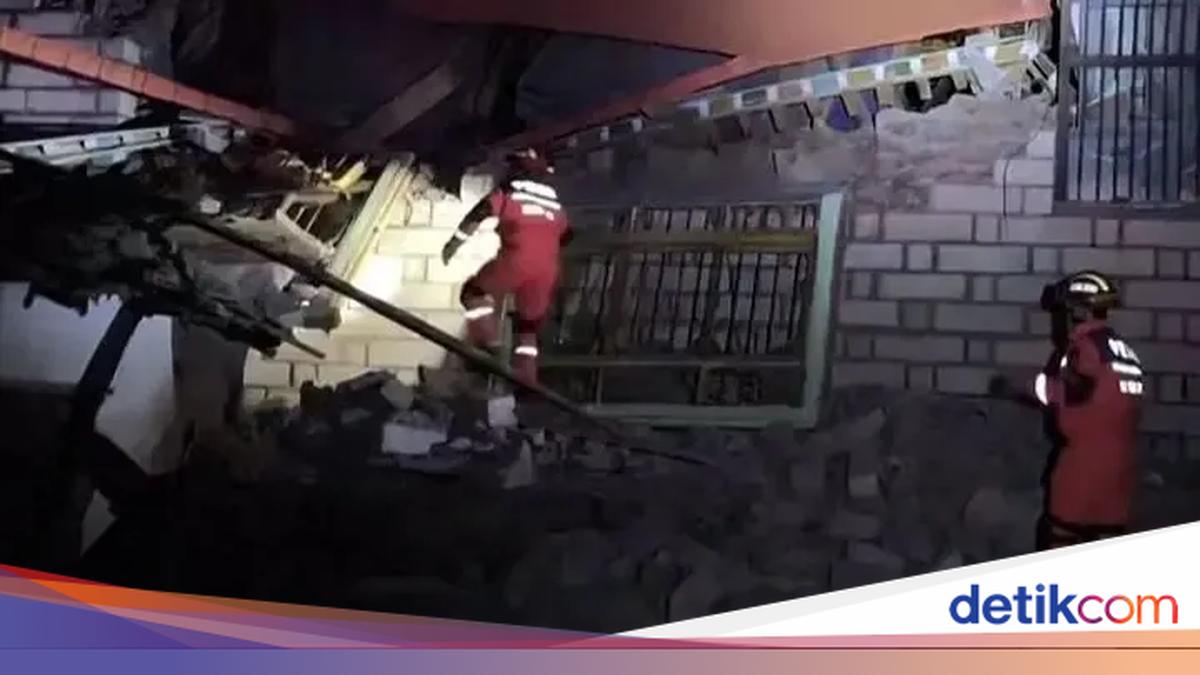
A magnitude-7 earthquake struck a mountainous area of Tibet, killing at least 16 people, according to Chinese state media.
Local authorities declared an emergency and sent rescue teams to the scene. Fifty-four people were reported injured.
State media are often the only source of information about Tibet, a region under tight Chinese control since its annexation in the 1950s.
The earthquake’s epicentre was in Baqn County, Nagqu, late on Thursday, Xinhua reported, citing the local emergency management bureau.
The county is about 400 kilometres north-east of Tibet’s capital, Lhasa.
More than 300 homes were reported to have collapsed, while electricity supplies were cut across much of the affected area.
Extensive damage in mountainous region
Video footage filmed by a CCTV team in Maruxiang, one of the worst-affected villages in Nagqu, on Friday morning showed the scale of the damage.
The footage showed brick walls collapsing under the force of the tremors, while traditional homes had cracks and splits along the joins in their walls.
It also showed families gathering in open areas, surrounded by building rubble and collapsed fences.
According to the report, villagers were without electricity and internet access throughout the night. By Friday morning, however, rescue teams had reportedly begun gradually restoring power in the affected areas.
What challenges are rescue teams facing?
Rescue teams on the Tibetan Plateau have extensive experience responding to earthquakes, as the region is prone to such disasters.
However, the area also presents some of the most challenging conditions for rescue work.
The earthquake’s epicentre is about 4,800 metres above sea level, BBC Beijing correspondent Laura Bicker reported.
The high mountain region consists of villages scattered across steep valleys, while temperatures fall below freezing at night.
Local rescue teams are accustomed to training and working together and have technical knowledge of the mountainous terrain. They are also known for responding quickly when disasters strike.
In January 2025, when a powerful earthquake hit Shigatse in Tibet, military personnel, firefighters, police and specialist rescue teams arrived at the scene within hours.
The Chinese military also has drones that can help map and assess affected areas from the air.
The quake felt like ‘hundreds of yaks running past’
Some survivors described their terrifying experiences to local media after powerful tremors struck the Nagqu region.
Yixi Cuomu, a Nagqu resident, told Tibet Daily she was asleep when her home began shaking violently.
Realising there had been an earthquake, she rushed outside barefoot, with her “legs shaking uncontrollably” as she went down the stairs.
Another eyewitness described the force of the tremors, saying: “At that moment, I felt as if hundreds of yaks were running past us.”
Yaks are large, shaggy mammals that live on the Tibetan Plateau and in the Himalayas.
According to local media reports, many residents spent the night in below-freezing temperatures, sheltering in tents or inside their vehicles.
They feared that aftershocks might trap them inside their homes.
Earthquake struck late at night
Videos circulating on social media showed residents running into the streets as buildings shook violently in the darkness.
The earthquake struck late on Thursday and was followed by several powerful aftershocks, BBC News Beijing correspondent Laura Bicker reported.
At least 339 homes were reported to have collapsed, according to Chinese state media.
The full extent of the damage is still being assessed.
Rescue teams have reached the epicentre, in an area more than 4,800 metres above sea level.
The Tibetan Plateau is highly vulnerable to seismic activity.
In December 2023, more than 100 people were killed when an earthquake struck China’s Gansu Province.
China’s premier calls for ‘urgent efforts’ to help injured
Chinese Premier Li Qiang called for “urgent efforts” to coordinate rescue operations and medical care for the injured, and to ensure affected residents were evacuated and properly rehoused, state media reported.
Li said the earthquake-hit area was on a high plateau and vulnerable to aftershocks.
China’s Ministry of Emergency Management has sent a working team to the affected area to guide rescue operations and disaster relief efforts.
Injury toll rises as impact worsens
In the latest information provided by Chinese officials through state media, the number of people injured in the Tibet earthquake rose from 32 to 54.
Some of the injured were reported to be seriously hurt and are receiving treatment.
Local officials also raised the emergency response level from Level IV to Level III.
Under China’s disaster response system, Level I is used for the most serious disasters, while Level IV is the lowest response level.
More than 350 personnel and 83 vehicles from China’s fire and rescue teams have been deployed to the earthquake-hit area.
What do we know so far?
A magnitude-7 earthquake struck Nagqu, a vast and sparsely populated mountainous region north-east of Tibet’s capital, Lhasa, according to local reports.
At least 16 people were reported killed and dozens injured, according to Chinese state media.
Local officials said hundreds of homes had collapsed in the affected area.
Road access and electricity supplies were disrupted, while affected villages are situated on a high plateau at about 4,800 metres above sea level.
The earthquake is the deadliest in the region since 2023, when 120 people were killed by a magnitude-6.2 earthquake in China’s Gansu Province.
Most information available so far comes from the Chinese state news agency Xinhua, which has cited local officials and emergency services.
State media are often the only source of information about Tibet, a region under tight Chinese control since its annexation in the 1950s.