
16,557 Schools Targeted to Receive Internet Access This Year
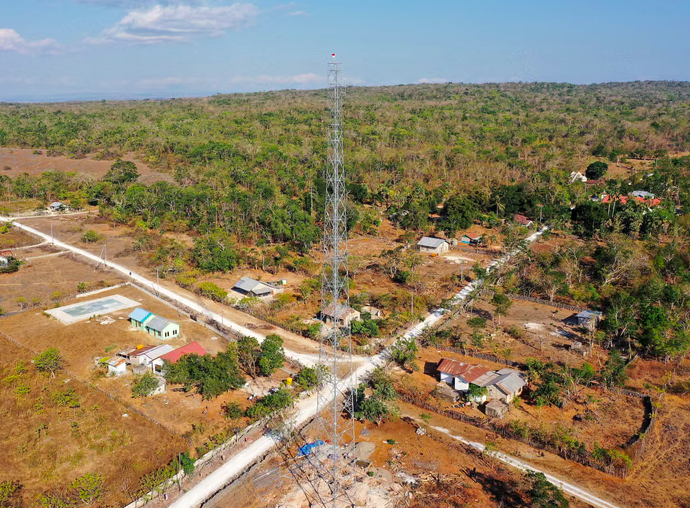
The government is targeting 16,557 educational units to receive internet access by 2026, which is almost double the 2025 target of 8,265 schools.
The Head of the Indonesian Government Communications Agency (Bakom), Muhammad Qodari, stated that this expansion of internet access is part of the support for the Digital Learning Programme implemented by the Ministry of Primary and Secondary Education (Kemendikdasmen).
“In terms of internet connectivity, to support the Digital Learning Programme, 8,265 schools were recorded as recipients of internet access in 2025. In the 2026 planning, 16,557 educational units are targeted for internet access fulfilment,” he said during a press conference at the Bakom RI Office, Jakarta, on Thursday.
According to Qodari, approximately 77% of educational units in Indonesia currently have internet access, while the remaining 23% are a priority for network expansion, particularly in underdeveloped, frontier, and outermost (3T) regions.
He noted that expanding internet access is a strategic step to ensure all students and teachers have equal opportunities to utilise technology-based learning.
In addition to expanding connectivity, the government is also developing the ‘Education House Ecosystem’ (Ekosistem Rumah Pendidikan) as an integrated platform that merges various digital education services, including Teacher and Education Personnel (GTK) spaces, in accordance with Presidential Instruction Number 7 of 2025 regarding the Acceleration of Digital Learning and the Strengthening of Quality Education Services.
According to Qodari, the integration of these various digital services aims to provide educational services that are more accessible, integrated, and efficient for all education stakeholders.
He stated that these digital services are already being widely utilised. The ‘Ruang Murid’ platform records approximately 1.3 million monthly active users, while more than 280,000 schools have utilised ‘Ruang Sekolah’ or the ‘Education Report Card’ (Rapor Pendidikan) to support data-based educational unit management and the improvement of learning quality.