
15 West Sumatran Cultural Works Designated as National Intangible Cultural Heritage
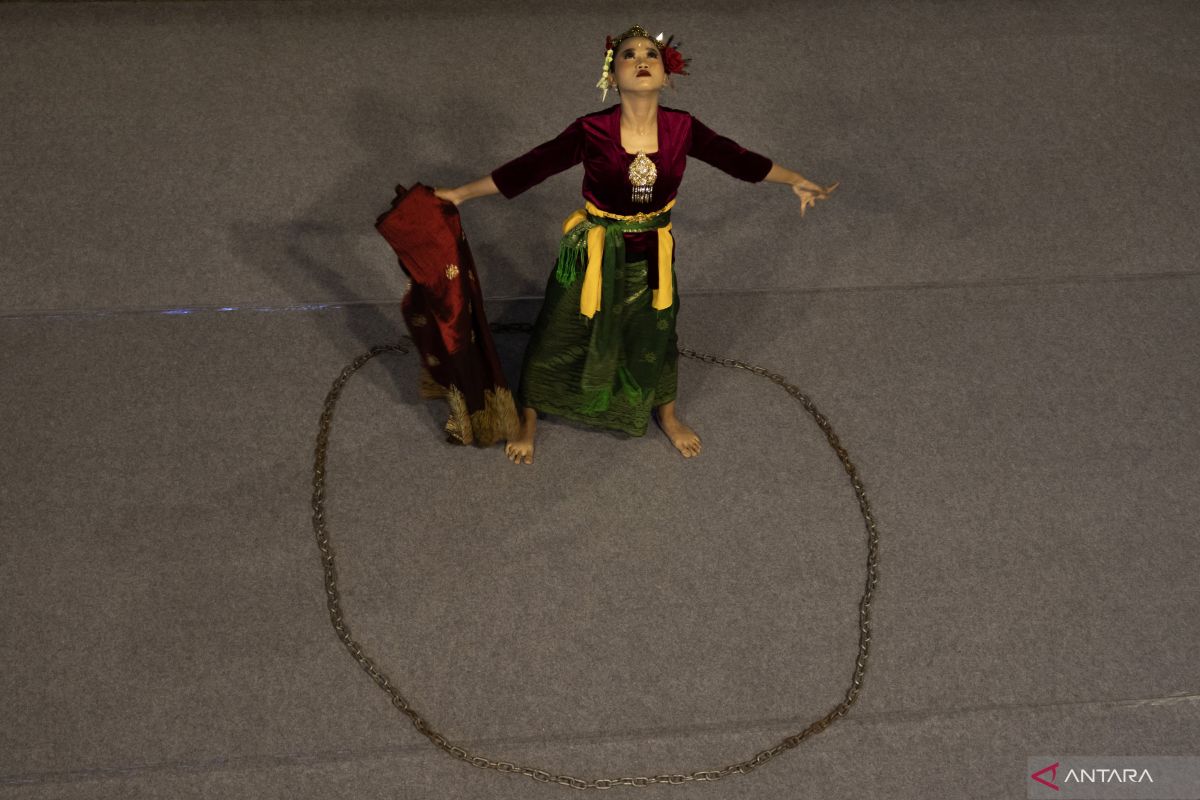
Fifteen cultural works from West Sumatra have been designated as Indonesia’s Intangible Cultural Heritage (WBTb), encompassing performing arts, traditional rituals, language, culinary traditions, and oral traditions. Head of the West Sumatra Culture Office, Syaiful Bahri, stated in Padang on Wednesday that this recognition is both a source of pride and a significant responsibility. The newly designated works include Bahasa Pondok and Urak Balabek from Padang City, Marinai from Sijunjung Regency, Tari Piriang Balenggek Lunto from Sawahlunto City, and the Tunduak Tradition from Solok City. Further additions are Balaho, Indang Solok, and Tari Tupai Janjang Koto Hilalang from Solok Regency, Tari Payung from Bukittinggi City, Tuddukat from the Mentawai Islands Regency, Sirompak Taeh from Limapuluh Kota Regency, Tapuang Pisang from Padang Panjang City, Sijoda and Kalamai from Payakumbuh City, and Goba-goba from South Solok Regency. With these 15 additions, West Sumatra now boasts 164 nationally recognised intangible cultural heritage items since 2013, further cementing the Minangkabau heartland as a region with a highly vibrant, diverse, and well-preserved intangible cultural legacy. Syaiful Bahri stressed that after receiving national recognition, these cultural works must continue to thrive within the community, be passed down to younger generations, and provide social, educational, and economic benefits. This diversity also demonstrates that the ancestral heritage of Minangkabau and Mentawai is not merely a memory of the past but remains the lifeblood of contemporary social life, prioritising mutual cooperation. In 2026, the Culture Office processed 63 cultural work proposals. Following the successful designation of 15 works in the first term, 48 other works are currently being prepared for assessment in the second and third terms. The nomination process is lengthy and rigorous, involving inter-regional coordination, document recording, compilation of supporting data, video documentation, academic studies, and the direct involvement of master practitioners.