
15 Papua KDKMP Encouraged to Level Up Through LPDB Incubation Programme
The Revolving Fund Management Institution (LPDB) for Cooperatives is continuing to strengthen the development of the cooperative ecosystem in Papua through an incubation programme, mentoring, and revolving fund financing for Village/Sub-district Red and White Cooperatives (KDKMP). The move is part of efforts to encourage cooperatives to become more professional, bankable, and capable of driving the community economy in eastern Indonesia.
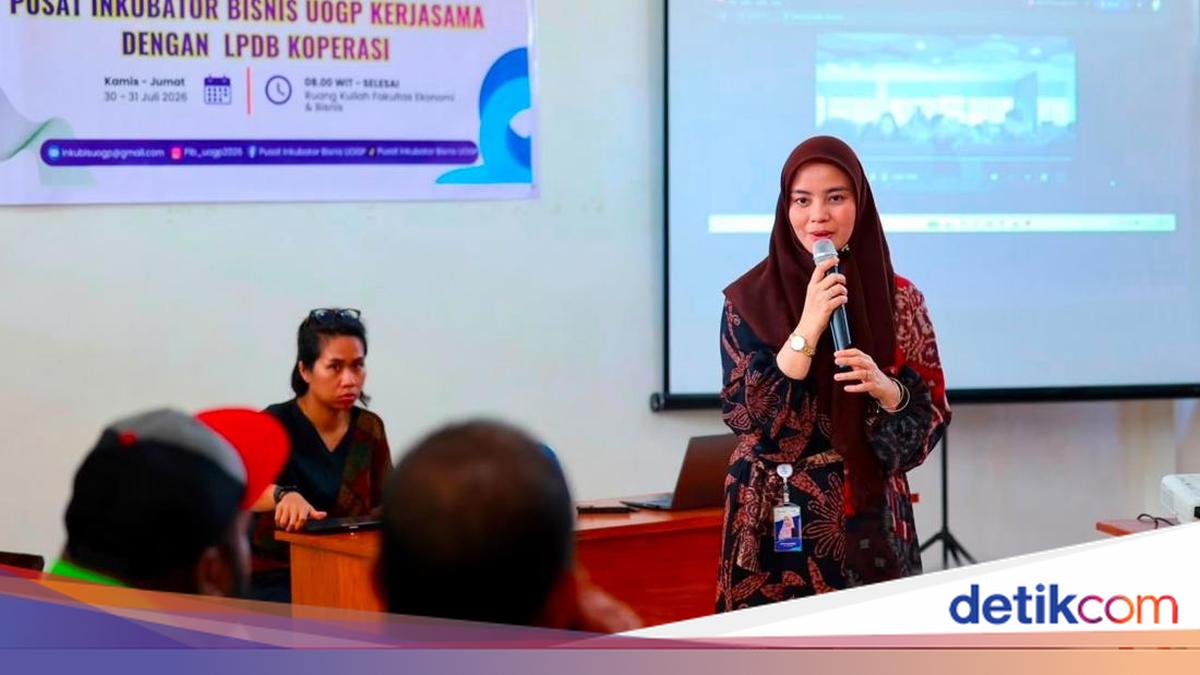
The commitment was affirmed during the Tenant Incubation Training for KDKMP at the Business Incubation Centre of Ottow Geissler Papua University, held in Jayapura City, Papua, on Friday (31/7).
The activity was attended by 15 KDKMP tenants operating in the real sector. It resulted from collaboration between LPDB Cooperatives and Ottow Geissler Papua University to strengthen institutional capacity, governance, business planning, and cooperative readiness to access financing.
Director of General Affairs and Legal at LPDB Cooperatives Deva Rachman stressed that the incubation programme is not merely training, but a process of building cooperative foundations so they can grow into healthy, professional economic institutions with access to financing.
“The main target of the incubation programme is to prepare cooperatives to have good governance, viable businesses, and readiness to access revolving fund financing from LPDB Cooperatives. We want KDKMP in Papua to become healthy, excellent, bankable cooperatives capable of levelling up so they can drive the community economy in their areas,” Deva said in a written statement on Monday (24/8/2026).
He added that LPDB Cooperatives has three main focuses: financing distribution, mentoring, and cooperative incubation. The three programmes are designed as one interconnected ecosystem to ensure cooperatives not only obtain access to capital but also have strong managerial and business capacity.
According to Deva, Papua has enormous economic potential in various sectors, from agriculture, plantations, marine affairs, and fisheries to tourism based on local wisdom. This potential needs to be managed through cooperatives with good governance, clear business models, and the ability to access financing sustainably.
Meanwhile, Head of the Business Incubation Centre at Ottow Geissler Papua University Moses Yomunga expressed appreciation for the trust again given by LPDB Cooperatives. The trust makes Ottow Geissler Papua University an implementing partner for the incubation programme in Papua.
He explained that this year the programme is focused on 15 real-sector KDKMP, with materials compiled based on the actual needs of cooperatives in the field. The materials cover institutional governance, business plan preparation, bookkeeping, and strategies for accessing financing.
“We thank LPDB Cooperatives for their trust. This year we are focusing on incubating 15 KDKMP operating in the real sector. The materials provided are tailored to cooperative needs, from governance, business plans, and bookkeeping to access to financing. The presence of LPDB provides enlightenment that cooperatives have opportunities to develop and obtain financing if properly prepared,” Moses said.
Moses said the incubation programme is very important because most KDKMP administrators still need mentoring in business management, financial management, and cooperative business development. He hopes the programme will not stop at training but continue into long-term mentoring.
Moses is optimistic that the 15 cooperatives participating in the incubation can become models for KDKMP development in Papua.
“We hope these 15 cooperatives can become role models for cooperatives throughout Papua. Papua has extraordinary potential, but it needs mentoring, management strengthening, and access to financing so that cooperatives can truly grow and provide benefits to the community,” he said.
From the participant side, Secretary of KDKMP Nendali Village, Jayapura Regency, Erick Kawali admitted that the presence of LPDB Cooperatives provided answers to various doubts that cooperative administrators had felt in running the KDKMP programme.
He said that previously many cooperative administrators still questioned how cooperatives could run businesses in real terms, obtain capital, and meet community expectations.
“The presence of LPDB makes us feel greatly helped. Our insight has opened that cooperatives do not run alone, but have access to mentoring and financing. This gives us enthusiasm, motivation, and confidence to run cooperative businesses and answer community needs,” Erick said.
According to Erick, the explanation delivered by LPDB Cooperatives provided certainty regarding the direction of KDKMP development, including financing mechanisms and the stages cooperatives must prepare to grow sustainably.
“What we hope for is strengthening like this. We are given understanding, motivation, and clear direction in running the Village/Sub-district Red and White Cooperative. The presence of LPDB has answered one of our big questions about how cooperatives can move and develop,” he added.
Through collaboration with Ottow Geissler Papua University, LPDB Cooperatives affirmed its commitment to continue strengthening the cooperative ecosystem in Papua through incubation, mentoring, and financing. The programme is expected to produce professional, competitive cooperatives with access to financing as capital for business development.
Strengthening KDKMP in Papua is also part of LPDB Cooperatives’ support for the national strategic programme in strengthening cooperatives as a pillar of the people’s economy. With increasingly better governance and broader access to financing, cooperatives are expected to become motors of regional economic growth while sustainably improving the welfare of the Papuan people.