
15,000 Tilapia Fry Released into Situ Cimalongpong to Boost Tourism and Local Economy
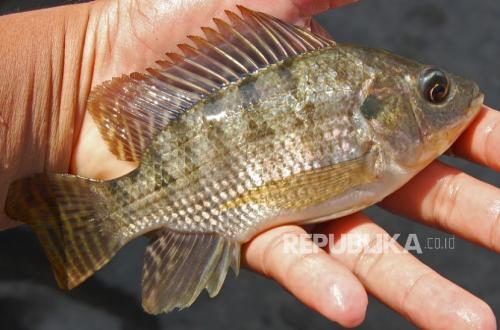
A total of 15,000 tilapia fry have been released into Situ Cimalongpong in Ciporang Village, Kuningan Regency, as part of an effort to preserve public waters and boost the local economy. The restocking activity took place on Wednesday (24/6/2026). Kuningan Regent Dian Rachmat Yanuar stated that the release of the fry is part of a community empowerment and aquatic ecosystem conservation programme. He expressed hope that the fish could be harvested within approximately three months, providing economic benefits for residents. The regent noted that Situ Cimalongpong has significant potential to be developed into a community-based tourism area. He believes the lake’s natural beauty, combined with proper spatial planning, could become a new attraction and drive the local economy. ‘The potential is very large. In the future, it can be developed into a tourism area with supporting facilities, business spaces for residents, and better spatial planning so that it provides economic benefits for the local community,’ Dian said. Ciporang Village Head Dadi Setiadi expressed appreciation for the regent’s attention to the community. He noted that Situ Cimalongpong is a source of pride for residents, who have been working together to improve and develop the area. ‘Alhamdulillah, thanks to the cooperation of the lake management and residents, Situ Cimalongpong is continuously being improved. Previously, the community had independently stocked fish, and today we received additional fry from the regional government,’ he said. In addition to the restocking programme, the regent also addressed community aspirations regarding infrastructure development around the lake. He instructed the Public Works Department to promptly repair a damaged section of the lake’s retaining wall to prevent further deterioration.