
142 Hajj Pilgrims Repatriated Early Under Tanazul Programme
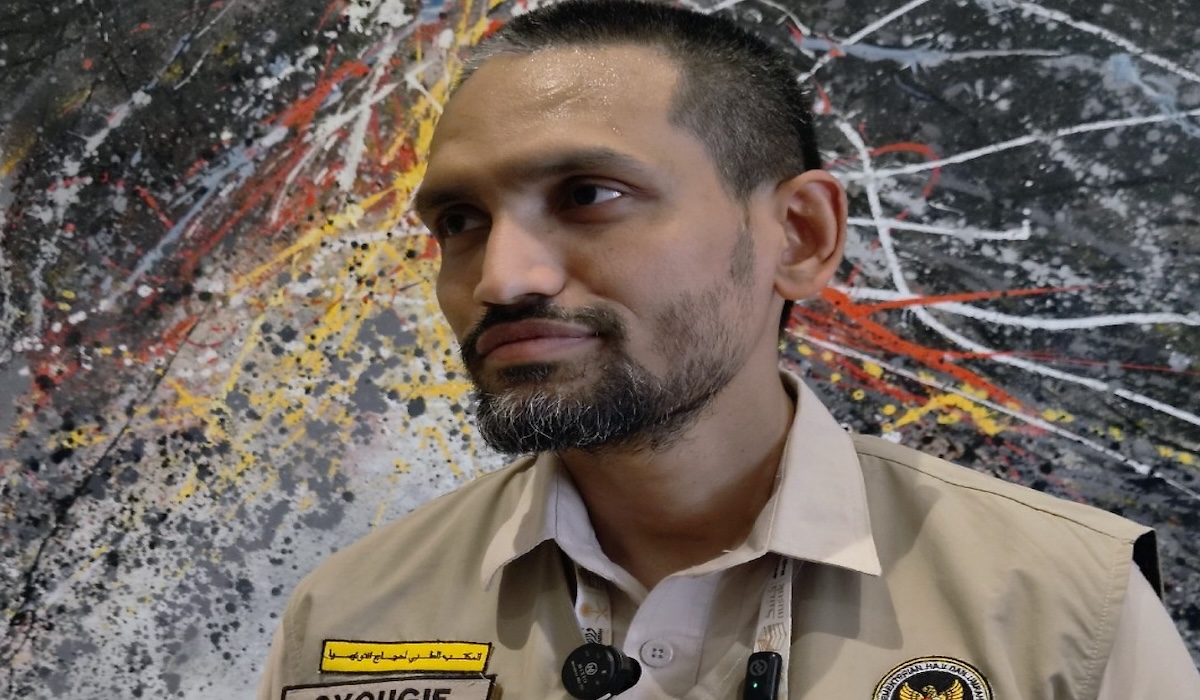
The Hajj Organising Committee (PPIH) in Saudi Arabia, through the Indonesian Hajj Health Clinic (KKHI), is intensifying the Tanazul programme for pilgrims experiencing health issues. This programme allows pilgrims with specific medical indications to be repatriated to Indonesia earlier than their scheduled flight groups.
Syougie, the Evacuation Coordinator for Tanazul at KKHI Makkah, explained that the programme is intended for pilgrims deemed fit to fly following a strict medical examination. “This Tanazul programme is for pilgrims who, due to medical indications, are repatriated earlier than their group, or if a pilgrim is hospitalised and their group has already returned to Indonesia, we send them home,” Syougie stated in Mecca.
However, every pilgrim proposed for the Tanazul programme must first undergo a health assessment. Flight safety is the primary consideration before a pilgrim is cleared for departure. The doctor, who serves at the University of Indonesia Hospital, explained that the assessment covers the pilgrim’s medical condition, including any comorbidities or recent hospital treatment. The medical team then evaluates the patient’s stability and consults with the responsible specialist doctor (DPJP) according to the pilgrim’s specific illness.
“The process we follow is that after they return from the hospital or come to us, we assess their stability first, then we consult with the relevant DPJP. For example, if they have a heart problem, we consult cardiology; if they are post-stroke, we consult a neurologist. After that, we evaluate the results to determine if they are fit to fly, and only then do we programme the transfer of their flight group to the repatriation service,” he detailed.
To date, the Tanazul requests received by KKHI number in the hundreds. However, not all requests result in a Tanazul repatriation, as some pilgrims eventually recover and are able to return with their original groups. “We have received nearly 400 requests, but those are just applications, because sometimes a request has been made but the pilgrim has already returned with their group. So the request is not rejected, but the pilgrim ultimately does not need to be repatriated via Tanazul,” Syougie said.
According to the latest data compiled by KKHI as of Monday evening (15/6), 142 pilgrims have been successfully repatriated through the Tanazul programme. Meanwhile, the number of recorded requests stands at 334 applications, not including an additional 33 requests received the following day.
Syougie confirmed that ill pilgrims participating in the Tanazul programme continue to receive regular health monitoring until shortly before departure. They undergo a re-examination before entering the airport waiting lounge. “If a flight schedule is set, it is not too long before the flight because the safe window is for the pilgrim to be at the airport six hours before departure. But for ill pilgrims, we will reassess them before the flight,” he said, stressing that medical assistance is provided continuously throughout the repatriation process, with health officers monitoring the pilgrims until they board the plane to Indonesia.