
14 Regions in Central Java on Drought Alert, 722,000 People Affected
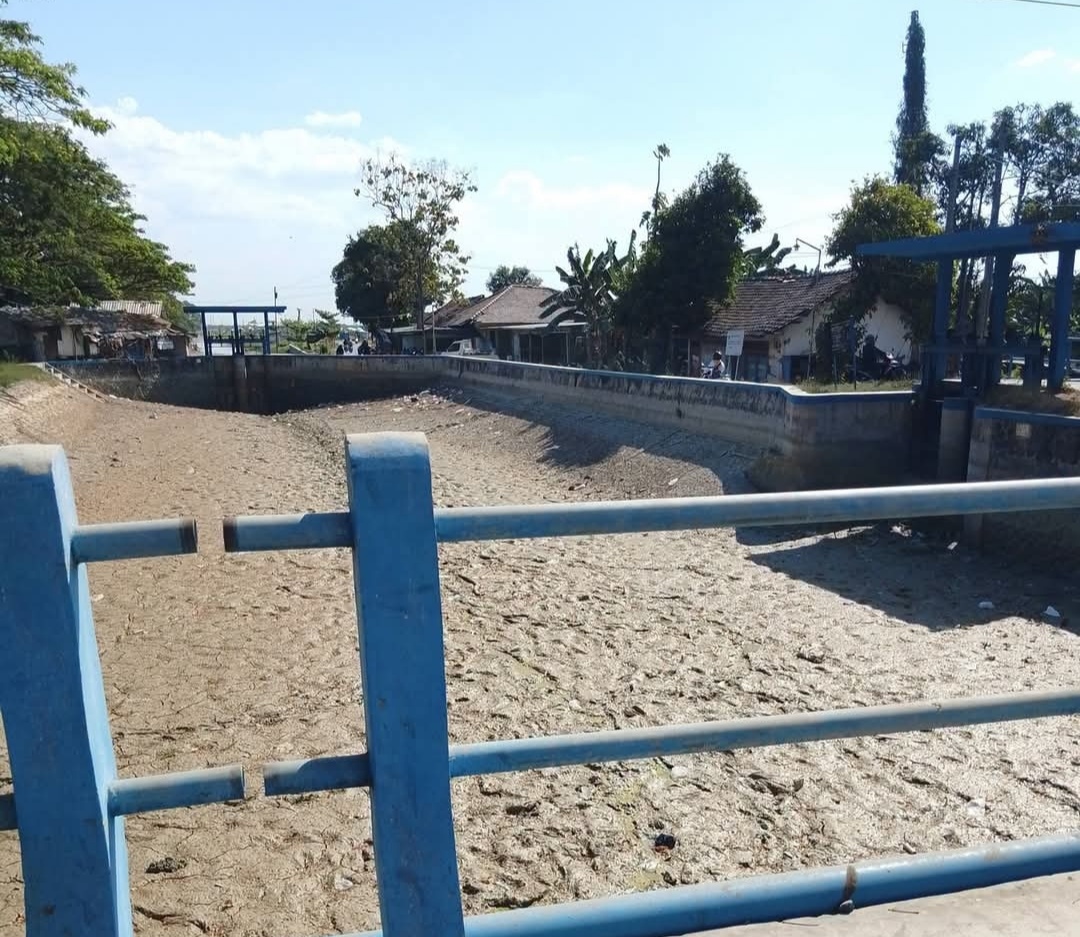
The drought affecting Central Java is now in an increasingly alarming condition. Based on monitoring on Sunday (23/8/2026), 14 regions have been categorised as being on drought alert status due to drastically reduced rainfall.
The latest data shows the impact of the drought has spread to 478 villages across 189 sub-districts in 30 regencies/cities in Central Java. A total of 722,000 people are reported to be affected by the clean water crisis, with total water aid distributed reaching 23.5 million litres.
Head of the Central Java Regional Disaster Management Agency (BPBD), Bergas Catursasi Penanggungan, revealed that of the 30 affected regions, 25 regencies/cities have declared a drought emergency status.
“Clean water aid continues to be distributed to 722,000 affected people. To date, distribution has reached 23.5 million litres to 30 regions. This aid is also supported by the Social Ministry’s Tagana, the Indonesian Red Cross (PMI), regional Baznas, and private parties,” said Bergas.
This prolonged dry season has not only triggered a clean water crisis but has also paralysed the local economy. Several major rivers, such as the Juwana River in Pati Regency and the Avour River in Wonoketingal Village, Karanganyar Sub-district, Demak Regency, have been reported as completely dry.
This condition has left thousands of hectares of rice fields without water, threatening food productivity. In addition, hundreds of fishing boats have been forced to remain idle as the drastically reduced river water levels make navigation impossible.
The Central Java Meteorology, Climatology and Geophysics Agency (BMKG) has issued a warning regarding the threat of meteorological drought in the third dekad of August 2026. Head of the BMKG Central Java Climatology Station, Goeroeh Tjiptanto, stated that the probability of low rainfall (below 50 millimetres per dekad) reaches more than 90 percent across all of Central Java during the period of 21-31 August 2026.
Goeroeh explained that alert status is the most critical condition where water sources have the potential to dry up completely and threaten the basic needs of the community. “Local governments and relevant agencies are asked to prepare rapid measures to face the potential clean water crisis and ensure water distribution is carried out regularly,” he concluded.