
13 Career Options Available for Javanese Literature Graduates
Jakarta (ANTARA) - The Javanese Literature major is still frequently perceived as having limited career options due to its association with language, literature, and traditional culture. In reality, the skills acquired during university can be applied across various fields, including education, media, research, and the creative industry.
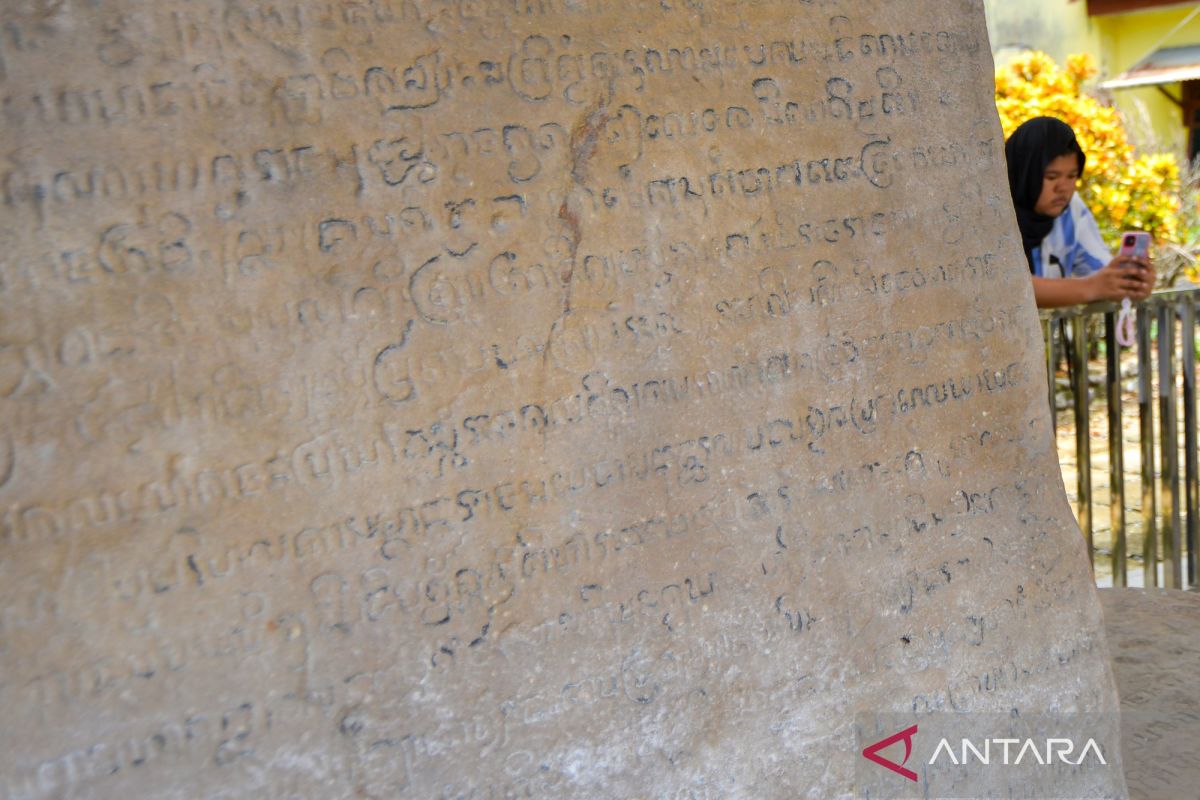
The Javanese Literature study programme does not merely study everyday Javanese language. Students also study linguistics, literature, philology, Javanese script, and various aspects of Javanese culture. These competencies serve as capital for working in sectors directly related to language and culture, as well as fields requiring communication and writing skills.
Several universities also list professions such as researchers, teachers, journalists, editors, writers, broadcasters, and cultural practitioners as career options for Javanese Literature graduates.
Here are several professions that can be career choices for Javanese Literature graduates:
- Teachers or Lecturers
Becoming a teacher is one of the career paths most closely aligned with the competencies of Javanese Literature graduates. Graduates can teach Javanese language and literature in schools, educational institutions, or tutoring centres.
Meanwhile, those wishing to become lecturers can pursue master’s degrees to deepen their expertise in Javanese language, literature, philology, or culture.
- Language and Culture Researchers
Javanese Literature graduates can also pursue careers as researchers. The fields of research are quite diverse, including the development of the Javanese language, literary works, community traditions, arts, and ancient manuscripts.
Semarang State University notes that Javanising Literature graduates can work as researchers or research assistants in language centres or bureaus. Meanwhile, Gadjah Mada University lists language centres, research institutes, archives, museums, and cultural institutions as sectors graduates can enter.
- Philologists
For those interested in ancient manuscripts, the profession of a philologist can be an attractive choice. Philologists study old manuscripts to understand the content, language, historical context, and the cultural values contained within them.
The ability to read Javanese script and the Javanese language, including Old Javanese, is essential for this work. This career can also be linked to museums, libraries, research institutes, or cultural institutions.
- Journalists
The ability to write and understand language can serve as capital for working as a journalist. Javanese Literature graduates can cover various issues such as culture, education, history, tourism, and community life.
Knowledge of Javanese culture can also be an advantage when covering local issues that require a deeper understanding of cultural context.
- Editors
The ability to understand linguistic structure and precision in reading texts allows Javanese Literature graduates to work as editors. Their work is not always related to Javanese books or literature. Editors can work in media, publishing, corporations, or the digital industry, where editing text is required to ensure clarity, adherence to rules, and ease of understanding for readers.
- Writers and Content Writers
Javanese Literature graduates can also develop careers as writers. The ability to process language and build narratives can be used to create articles, creative scripts, digital content, and literary works.
Amidst the development of digital media, an understanding of local culture can be an added value. Content regarding Javanese history, tradition, culinary arts, tourism, and culture, for example, can be packaged with an approach that resonates more closely with the current generation.
- Scriptwriters
The ability to storytelling is not only needed in literature. Javanese Literature graduates can also develop careers as scriptwriters for films, dramas, theatre, plays, or digital content.
Semarang State University lists Javanese language scriptwriting as one of the graduate profiles, including for film, drama, theatre, and various other forms of writing.
- Translators
Javanese language skills can be utilised to become a translator, particularly for translating Javanese texts into Indonesian and vice versa. This work can involve literary works, cultural manuscripts, documents, research, and digital projects. Proficiency in Indonesian is also vital to ensure the translation maintains the meaning of the original text.
- Pranatacara (Master of Ceremonies)
For graduates with public speaking skills, becoming a ‘pranatacara’ or a Javanese-language master of ceremonies can be a professional choice. Pranatacara usually play a role in various traditional ceremonies and activities that utilise Javanese etiquette and language. Besides speaking skills, this profession requires an understanding of ‘unggah-ungguh’ or Javanese etiquette.
- Broadcasters
Language and speaking skills can also lead Javanese Literature graduates into the world of broadcasting. They can become radio announcers, presenters, or television hosts, especially in media outlets that feature programmes based on local language and culture. This expertise can further develop when combined with journalism, public speaking, and digital content production skills.
- Cultural Tour Guides
Knowledge of Javanese language, history, and culture can serve as a foundation for working as a cultural tour guide. Beyond merely explaining tourist locations, guides with a Javanese Literature background can help tourists understand the stories, philosophies, traditions, and cultural values behind a place or activity.
- Cultural Practitioners and Consultants
Javanese Literature graduates can also develop careers as cultural practitioners. Their work may involve tradition preservation activities, cultural programme development, event organising, and cultural content creation.
The Javanese Language, Literature, and Culture Study Programme at UGM also identifies Javanese cultural practitioners as a prospective career, involving the ability to keep pace with the development of Javanese language, literature, and culture.