
13.5 Million Children Worldwide Still Unvaccinated
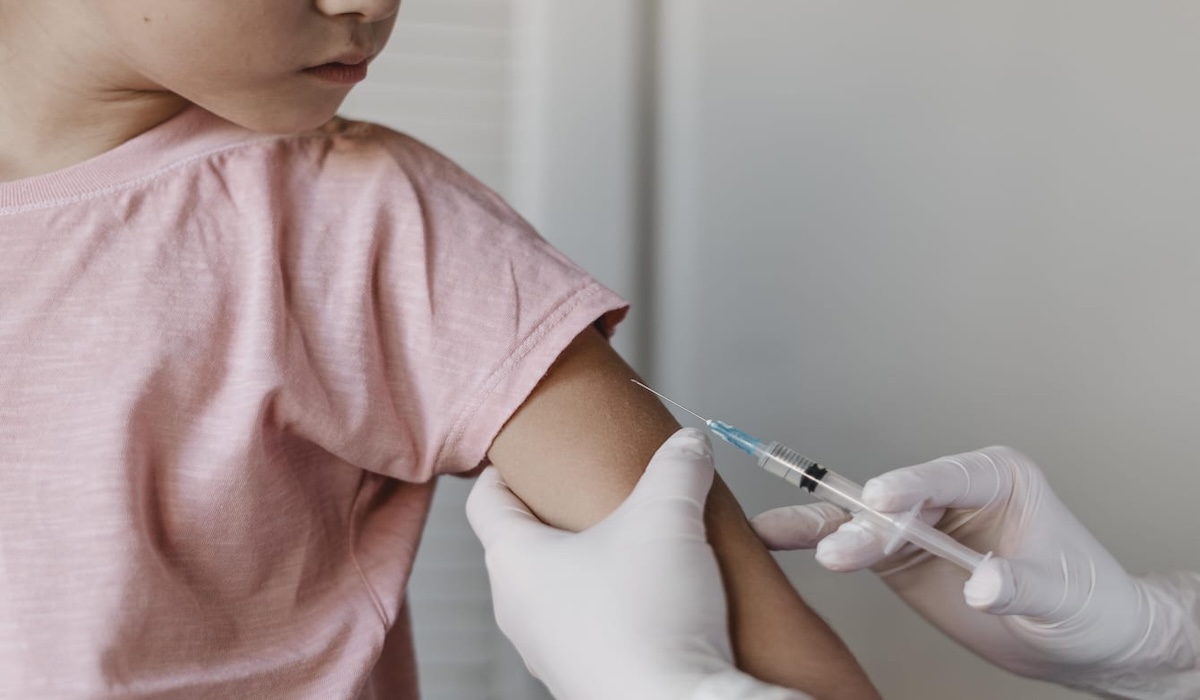
Global childhood immunisation coverage is beginning to show a positive trend in 2026 after slowing in recent years. Nevertheless, UNICEF and the World Health Organization (WHO) warn that millions of children remain unprotected against deadly diseases such as measles, diphtheria, tetanus and pertussis.
According to the latest report, in 2025 around 90% of infants worldwide, or 116 million children, received the first dose of the DTP vaccine. Meanwhile, 85%, or 110 million children, completed the full three-dose course. Although these figures have risen, coverage has not yet fully recovered to pre-pandemic levels.
The WHO highlights that 13.5 million children still hold zero-dose status, meaning they have received no routine vaccinations at all in their first year of life. This group is the most vulnerable to preventable infectious diseases.
The majority of unvaccinated children live in conflict zones, areas experiencing humanitarian crises, or countries with weak health systems. Beyond access, vaccine hesitancy and limited funding for immunisation programmes remain major obstacles on the ground.
The gap in vaccination coverage has raised fears of the resurgence of disease outbreaks. The WHO cites global first-dose measles vaccine coverage, which has only reached 84%, still far from the 95% target required to establish herd immunity.
Without reaching that threshold, the risk of measles case surges remains high across many countries. Immunisation remains the most effective public health intervention for saving lives and preventing permanent disability in children.
UNICEF and the WHO stress that current progress is insufficient to meet the Immunization Agenda 2030 targets. Sustained investment in primary health care services and expanded access to remote regions are needed.
Strengthening public education is also a priority to reduce vaccine refusal. By ensuring every child is vaccinated on schedule, the world can prevent millions of deaths and safeguard global public health through community immunity.