
13,000 US Airstrikes on Iran: What Was It All For?
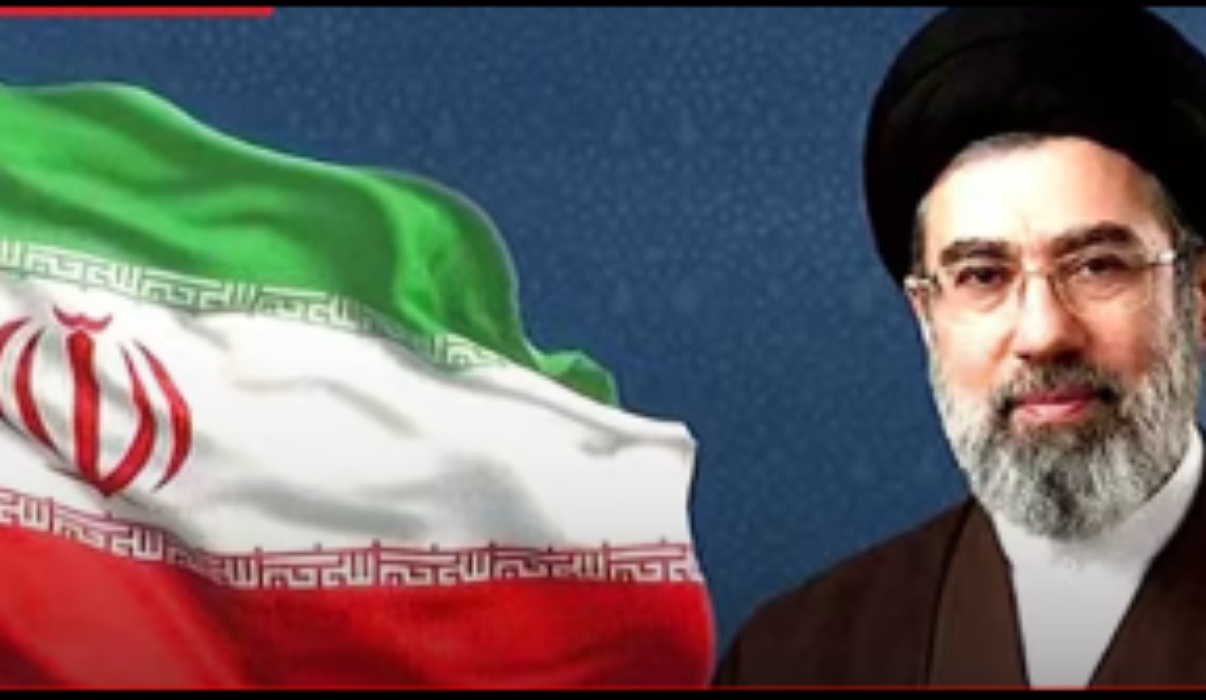
After launching approximately 13,000 American airstrikes that killed nearly 3,500 Iranians, the war waged by Donald Trump did not end with the glorious fall of the Tehran regime. Instead, the conflict concluded with a swift and partial agreement with the same leadership he once vowed to destroy. This outcome stands in stark contrast to Trump’s bombastic promises when launching the attacks. “To the great and proud people of Iran, I say tonight that your moment of freedom is near,” he declared on 28 February. He even urged the Iranian people to take over the government, calling it a once-in-a-lifetime opportunity. Yet that opportunity proved non-existent. The Iranian government not only remained in power but has just reached an agreement with the United States. Although Trump pushed for an anti-regime uprising, the mullahs managed to maintain full control. The main change that occurred was not democratisation, but an internal power transition. Following the death of Supreme Leader Ayatollah Ali Khamenei in the opening strike, power has now shifted to his son, Mojtaba Khamenei, alongside a cadre of hardline generals from the Islamic Revolutionary Guard Corps (IRGC). Although the full text of the memorandum of understanding (MoU) has not been released in detail, several crucial points are becoming clear. The public is reminded that Iran has stated it will not develop nuclear weapons. This position has been Iran’s official stance for a long time as a member of the Nuclear Non-Proliferation Treaty (NPT). What is more concerning is what is absent from the agreement. There are likely no restrictions on Iran’s support for proxies in the Middle East or their ballistic missile development. The Tehran regime is now free to restore its strategic assets, reinforced by a proven capability to disrupt global shipping lanes. Although Iran’s economy is devastated and its military machine weakened by thousands of bombs, the lack of consistent strategic objectives from Washington has allowed the regime to survive in a position that may be stronger than they previously imagined.