
127 MSMEs affected by Setu Babakan redevelopment offered relocation options
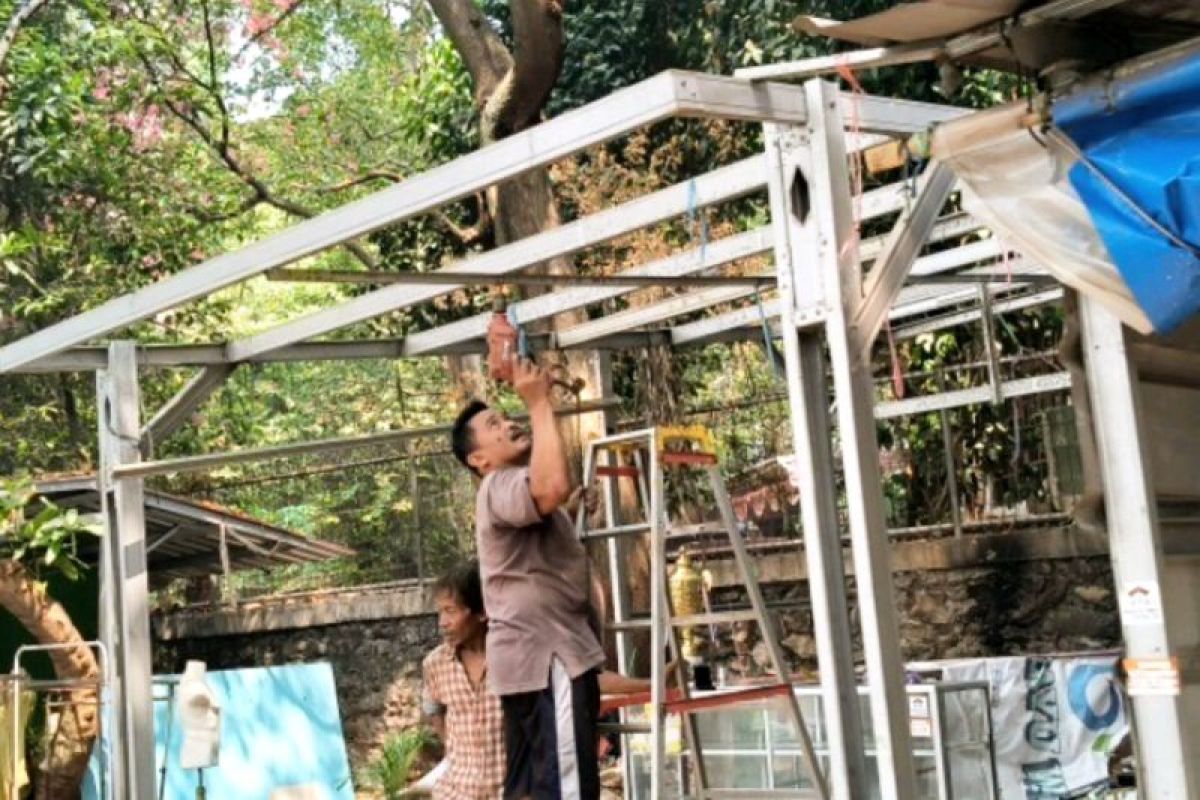
The South Jakarta Sub-department of Industry, Trade, Cooperatives, Micro, Small and Medium Enterprises (PPKUKM) is offering several designated sites to approximately 127 micro, small, and medium enterprise (MSME) operators affected by the redevelopment of the eastern banks of Setu Babakan, Jagakarsa.
“The redevelopment of this area is indeed intended to restore the function of the Setu Babakan area as a nature and cultural tourism destination,” said the Head of the South Jakarta PPKUKM Sub-department, Djaharuddin, when contacted in Jakarta on Tuesday.
He stated that the relocation is being offered as part of the broader efforts to revitalise the Setu Babakan area. According to Djaharuddin, the Setu Babakan management, alongside the local village and district authorities, has socialised the redevelopment plan to traders and prepared specific locations for MSME operators.
“If I am not mistaken, only about 63 MSMEs can be accommodated [at the new site within the area],” Djaharuddin noted.
For the remaining business operators, the South Jakarta PPKUKM Sub-department is offering several available managed locations within the South Jakarta region, including one in Pasar Minggu. Djaharuddin explained that traders can choose from prepared locations, including managed market sites (lokbin), temporary sites (loksem), or locations managed by Perumda Pasar Jaya.
“We have three managed market locations and 42 temporary sites (loksem). However, these temporary sites must be specifically for food, beverages, and culinary products,” said Djaharuddin.
He also noted that relocation presents a significant challenge, as most traders have established a customer base around Setu Babakan, leading to concerns regarding a potential drop in turnover following the move.
“Indeed, their customers are mostly located around that area. Consequently, they find it quite difficult to leave their original trading points,” Djaharuddin expressed.
Previously, on Monday (5/10), dozens of traders on the eastern banks of Setu Babakan began dismantling their kiosks independently after receiving first and second warning letters (SP1 and SP2) following a persuasive approach by the relevant officials.