
11 Updates on the Iran-US War: UAE Withdraws from OPEC – Ceasefire Collapses
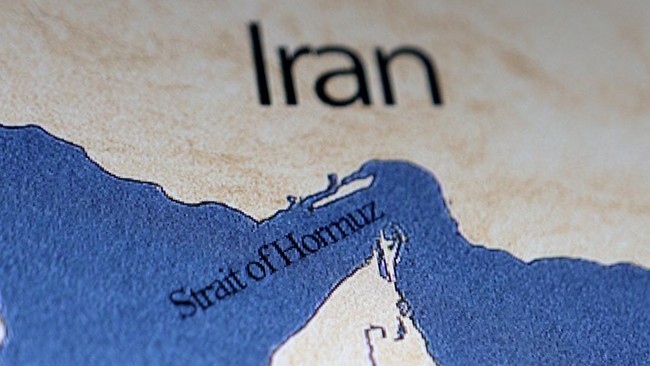
The escalation of the conflict in the Middle East is intensifying with the United States’ (US) military blockade in strategic waters, uncertainty surrounding the ceasefire with Iran, and the situation in Lebanon and Palestine. This is sparking global concerns over an unprecedented surge in energy prices not seen in recent years, as of Wednesday (29 April 2026).
Here are 11 latest updates on the Iran war situation, compiled from Al Jazeera, AFP, and CNBC Indonesia:
- US Searches Cargo Ship in Iranian Blockade Route
The US military has reportedly boarded another commercial vessel during the Iranian port blockade. Unlike previous cases, this ship was allowed to continue its journey after being confirmed not headed to Iranian territory.
The US Central Command stated that Marines had boarded the Blue Star III. However, the military released the vessel shortly after conducting the search.
“We released the vessel after conducting the search and confirming that its itinerary does not include stops at Iranian ports,” read the US Central Command statement, quoted from Al Jazeera.
- White House: US Will Not Rush into a Bad Deal
To date, the status of the ceasefire between the US and Iran remains unclear after President Donald Trump discussed a proposal from Tehran. While de-escalation could ease political pressure on Trump, it is feared to give Iran room to rebuild its nuclear programme.
White House spokesperson Anna Kelly emphasised that the US is still engaged in negotiations with Iran. She stressed that they will not be rushed by time.
“We will not rush into a bad deal. The President will only agree to an agreement that prioritises US national security, and he has made it clear that Iran will never be allowed to have nuclear weapons,” Kelly said, quoted from Al Jazeera.
- Palestinian Foreign Minister Says Israel Wants Palestinian Authority to Collapse
Palestinian Foreign Minister Varsen Aghabekian Shahin expressed concerns before the UN Security Council (UNSC). She accused Israel of seeking to destroy the Palestinian government structure.
Shahin demanded a full withdrawal of Israeli forces from the Gaza Strip, which is an integral part of Palestine. She emphasised that any transitional arrangement must lead to reunification of territories.
“Any transitional arrangement must lead to the reunification of the West Bank and Gaza Strip under the umbrella of the Palestinian National Authority, and must not be hindered by policies of forced expulsion and annexation,” Shahin asserted, quoted from the Wafa news agency.
- Trump Blasts German Chancellor Over Iran War Criticism
President Donald Trump launched a scathing criticism against German Chancellor Friedrich Merz. This was triggered by Merz’s statement that Iran had humiliated the United States in peace talks.
Via the social media platform Truth Social, Trump accused Merz of not understanding the actual situation on the ground. Trump took offence at the stance of his NATO ally.
“German Chancellor Friedrich Merz thinks it’s fine for Iran to have Nuclear Weapons. He doesn’t know what he’s talking about!” Trump wrote, quoted from his social media account.
- US Imposes Sanctions on Iran’s ‘Shadow Banking’ Network
Amid negotiation deadlock, the US Treasury Department announced sanctions on 35 entities and individuals involved in Iran’s shadow banking network. This step aims to cut off Tehran’s illegal funding flows.
US Treasury Secretary Scott Bessent stated that the dark funds, amounting to tens of billions of dollars, are used to finance activities detrimental to security.
“These illicit funds support Iran’s terrorist operations. Any company making toll payments to Iran to pass through the blockaded Strait of Hormuz will face significant sanctions,” Bessent said, quoted from the official US Treasury statement.
- World Bank Predicts Worst Energy Price Surge in 4 Years
The World Bank projects energy prices to surge by 24% this year, reaching levels not seen since Russia’s invasion of Ukraine in 2022. This is a direct impact of the Iran war shock on global commodity markets.
The Commodity Markets Outlook report predicts the average price of Brent crude oil at US$86 (Rp1,483,758) per barrel in 2026, up from US$69 (Rp1,190,457) in 2025.
“Attacks on energy infrastructure and disruptions in the Strait of Hormuz have triggered the largest oil supply shock in history, initially cutting global oil supplies by 10 million barrels per day,” the World Bank report stated, quoted from CNBC Indonesia.
- Gulf Leaders Gather in Saudi Arabia to Discuss War Impacts
Leaders and officials from across the Gulf region met in Jeddah, Saudi Arabia, to discuss the regional crisis triggered by the US-Israel war against Iran. This is the first in-person meeting of Gulf Cooperation Council (GCC) members since the war broke out on 28 February.
Qatar’s Emir, Sheikh Tamim bin Hamad Al Thani, stated that the meeting demonstrates Gulf countries’ solidarity in facing the dire security situation.
“This meeting embodies the Gulf’s unified stance on the current situation and what it requires in terms of intensive coordination and consultation,” Al Thani said, quoted from his social media post via AFP.
- Surprise! United Arab Emirates Quits OPEC
The United Arab Emirates (UAE) has unexpectedly announced its withdrawal from the Organisation of the Petroleum Exporting Countries (OPEC) effective 1 May. The decision aims to accelerate investments in domestic energy production.
UAE Energy Minister Suhail Al Mazrouie explained that this step represents a policy evolution.