
11 Indonesian Food Commodities Purchased in Dollars Become Vulnerable to Rupiah Weakness
The weakening of the Rupiah is once again triggering concerns regarding price increases for various strategic imported food commodities within the country. According to Refinitiv data on Monday (1-8/5/2026) at 11:31 WIB, the Garuda currency fell by 1.14% to Rp 17,662/US$. This depreciation has the potential to make various imported goods more expensive.
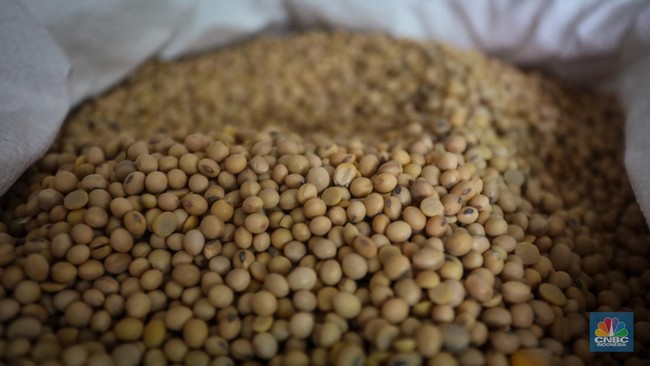
This condition could increase the import costs of food commodities, despite Indonesia’s continued reliance on several strategic food imports. According to data from the Indonesian Central Statistics Agency (BPS), the commodities most vulnerable to impact are wheat and meslin, sugar, and soybeans, due to their high import value and volume throughout 2025. The import value of wheat and meslin reached US$ 3.05 billion, or approximately Rp 53.9 trillion (at an exchange rate of US1 = Rp17, 662).Soybeanimportswerealsosignificantlyhigh, reachingUS 1.19 billion or Rp 21.02 trillion.
Consequently, there is a high probability of price increases for processed products that utilise these raw materials, such as instant noodles, tempeh, tofu, and various beverages and sweet foods. This trend will not only affect individual household expenses but also disrupt many businesses, ranging from large corporations to Micro, Small, and Medium Enterprises (MSMEs). The weakening Rupiah will further increase the CIF (Cost, Insurance, and Freight) value in import activities. CIF is an international trade agreement scheme where the seller is responsible for all shipping costs, insurance premiums, and freight charges until the goods arrive at the buyer’s destination port.