
109 Proposals from Vulnerable Groups, 57 Incorporated into NTT's 2027 RKPD
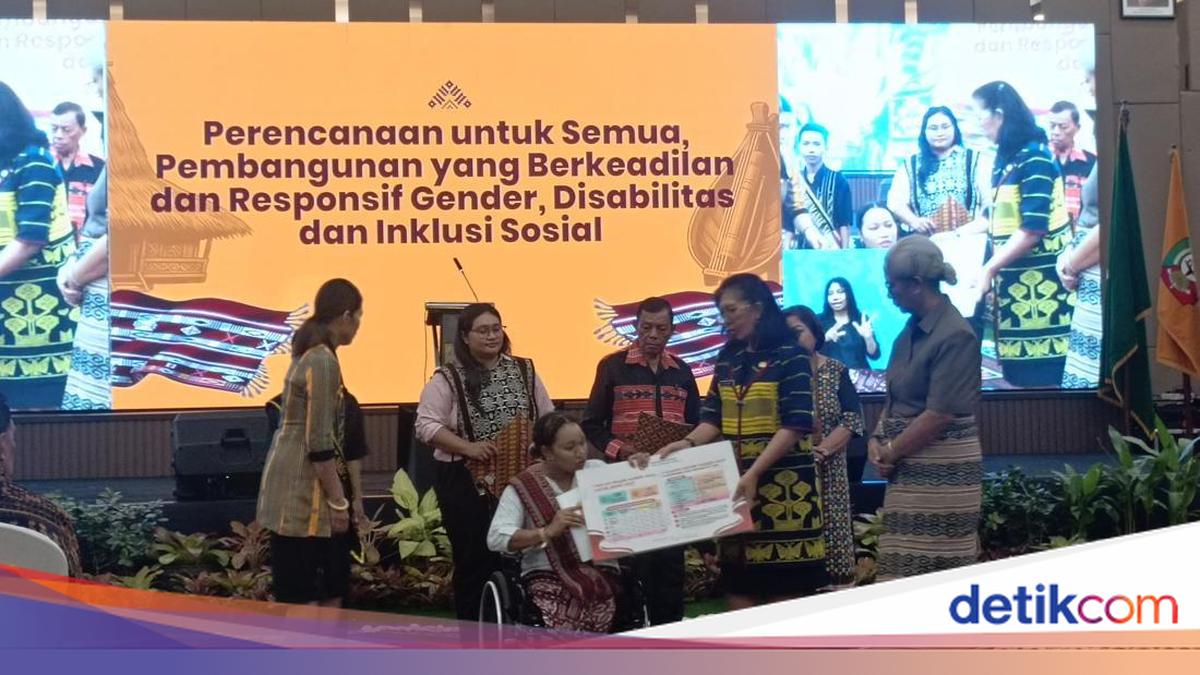
A total of 57 proposals from vulnerable groups have been accommodated in the East Nusa Tenggara (NTT) Provincial Government Work Plan (RKPD) for 2027 through the Local Government Information System (SIPD). This number comes from 109 proposals received in 2026.
The accepted proposals are distributed across sectors of government and human development, economy, infrastructure, and governance. These aspirations originate from groups of women, people with disabilities, children, the elderly, and other vulnerable groups.
The NTT Provincial Government held the Musyawarah Perencanaan Pembangunan (Musrenbang) for the 2027 RKPD from 7-9 May 2026 in Kupang.
The 2026 RKPD Musrenbang serves as a milestone in strengthening inclusive development in NTT. In its second year of implementation, vulnerable groups were again directly involved in the regional development planning process through the Inclusive Vulnerable Groups Musrenbang or MUSIK KEREN.
Civil society organisations, disability organisations, children’s forums, elderly representatives, indigenous communities, people living with HIV/AIDS (PLHIV), and development partners were involved and directly submitted their aspirations to be accommodated in the 2026 RKPD Musrenbang.
This activity also received support from SKALA (Synergy and Collaboration for the Acceleration of Basic Services), a partnership programme between the Indonesian and Australian governments that supports the strengthening of inclusive basic services in the regions.
Promoting Inclusive Development
Representing the NTT Governor, Acting Regional Secretary (Sekda) of NTT Flori Rita Wuisan invited all regional heads to open up collaboration spaces as widely as possible, including involving universities and research institutions in mapping regional superior potentials.
“Encourage the business world so that investments and CSR programmes are truly on target. Embrace community communities to become drivers of development, not just objects of development,” said Rita.
Rita stated that the NTT Governor also expressed appreciation to the vulnerable groups who were actively involved in MUSIK KEREN.
According to her, the governor encourages good development not only to listen to strong voices but also to give space to those who have often not been heard.
“Because the measure of regional progress is not only economic growth, but also how far development brings a sense of justice to all society,” she explained.
The results of the previous year’s MUSIK KEREN have also been implemented. In 2025, proposals from vulnerable groups accommodated in the NTT Provincial Budget (APBD) were elaborated into 12 programmes and 26 sub-activities with a total budget of Rp 110 billion.
The continuity of this year’s MUSIK KEREN demonstrates the NTT Provincial Government’s commitment to ensuring that the voices of vulnerable groups are not only heard but also realised in regional development policies and programmes.
“MUSIK KEREN is the result of collaboration between the NTT Provincial Government and civil society organisations with support from the SKALA Programme in promoting more inclusive and participatory regional development,” she added.
NTT DPRD Highlights Vulnerable Groups’ Aspirations
Separately, NTT DPRD Chair Emilia J Nomleni stated that the submission of MUSIK KEREN results from representatives of vulnerable groups, such as children’s forums, women, and disability groups, represents the true face of NTT’s development.
“Their aspirations are not just about physical infrastructure, but about justice and protection. They are the groups that most need the meaning of development both physically and in human resources, and this is what becomes the focus in implementing the programmes we have,” explained Emilia.
She stated that the involvement of vulnerable groups in regional development planning is a strategic step towards more equitable and inclusive development governance.
Support from SKALA is expected to continue to strengthen the regional government’s commitment to ensuring that vulnerable groups have meaningful participation spaces.
“It is hoped that the same will be applied by district/city governments, so that the voices of vulnerable groups can be accommodated in every regional development process,” she added.